In the pre-dawn hush of Lahore, before the first call to prayer echoes across the Minar-e-Pakistan, the city is already exhaling steam. It rises from massive iron cauldrons where nihari—a slow-cooked beef stew—has been simmering for twelve hours, its bone marrow melting into a velvet, spice-darkened gravy. This is not just a meal; it is the beginning of a 24-hour cycle of commerce and hospitality that defines the Pakistani urban experience. While global travel media has recently turned its lens toward this spectacle—exemplified by a video tour that has drawn 2.9 million views—the reality on the ground is a sophisticated, self-sustaining social ecosystem that feeds millions every day.
The Pulse of the Night Market
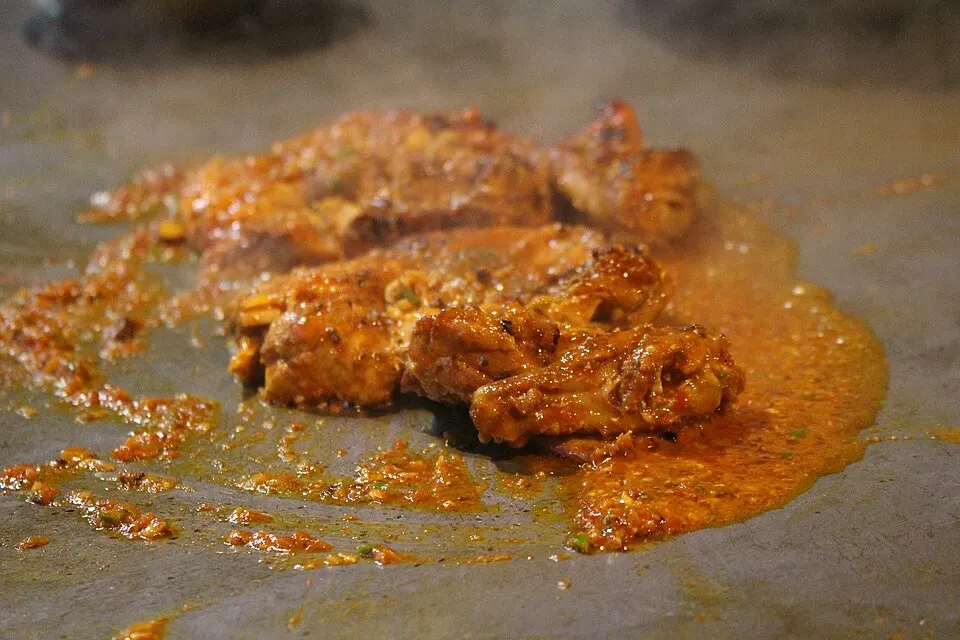
As the sun sets over the Arabian Sea in Karachi, the city’s character shifts. In the country’s most cosmopolitan hub, the street food scene is a testament to its radical diversity. Here, the air is thick with the scent of charagha being roasted over open flames and the sharp, metallic tang of the sea. Karachi, once the federal capital and now a sprawling metropolis of over 20 million people, serves as a melting pot where Sindhi, Pashtun, and Punjabi influences collide on the plate. Vendors operating from portable food booths and humble carts provide the city’s middle- and high-income consumers with quick access to nutrition, while simultaneously offering vital job opportunities in a high-stakes trade.
The rhythm of the street is relentless. In the narrow arteries of the Walled City of Lahore, the capital of Punjab, the food trade is an ancestral inheritance. The heritage here is etched into the very walls, where recipes for naan and kababs are passed down through generations. To eat on the street in Pakistan is to participate in a democratic ritual; the wealthy businessman in a luxury sedan parks alongside the laborer, both waiting for the same plate of spiced chickpeas or the same glass of frothy, cooling lassi. This is the great equalizer of Pakistani society.
According to a study from the Food and Agriculture Organization, 2.5 billion people eat street food every day, relying on its affordability for daily survival.
A Geography of Spice and Grain
The culinary landscape of Pakistan is a map of its geography and climate. In the cooler northern reaches, the palate leans toward the subtle, meaty flavors of Central and West Asia. As one moves south toward the plains of Punjab and the deserts of Sindh, the heat intensifies—both in the weather and the seasoning. Yet, despite these regional variations, two constants remain: rice and bread. Whether it is a fragrant biryani from a street-side copper pot in Karachi or a butter-brushed kulcha from a clay oven in Lahore, these staples form the foundation of the national diet.

The diversity of the street food menu reflects the country's ethnic tapestry. You might find a vendor selling chapli kababs, a specialty of the northwest, alongside a stall offering gol gappa, the crispy, water-filled spheres that are a favorite across the Punjab region. This internal migration of recipes has turned the streets into a living museum of regional history, where the food of the diaspora and the local land blend seamlessly.
The Ritual of the Tea Stall
If the food is the fuel of the Pakistani street, then tea is its lifeblood. Chai is not merely a beverage; it is a foundational pillar of hospitality. In every market, fair, and park, the rhythmic clinking of spoons against glass signifies the presence of a dhaba. These roadside stalls serve as the informal boardrooms and community centers of the nation. Large quantities of tea are consumed daily, facilitating deals, friendships, and debates that last long into the night.
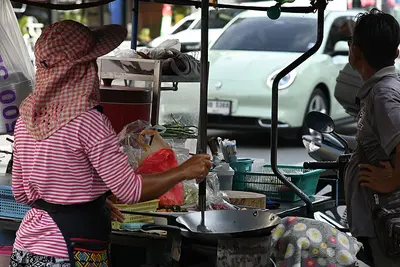
The resilience of this ecosystem is found in its adaptability. Street food in Pakistan is classified as both finger food and fast food, designed for immediate consumption by a population that is always on the move. While some global cultures might view eating while walking as a breach of etiquette, in the bustling markets of Lahore and Karachi, it is a sign of a city that never stops. The vendor’s cart is a marvel of efficiency, a self-contained kitchen that can feed hundreds with minimal overhead, maintaining a price point that remains accessible even as the world around it changes.

Tradition in a Modern World
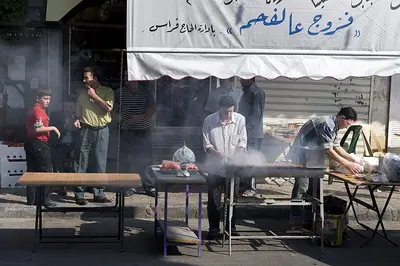
As Pakistan’s major cities continue to grow—with Lahore housing 14 million and Karachi exceeding 20 million—the role of the street food vendor becomes even more critical. They are the guardians of a culinary heritage that predates modern restaurants and international franchises. In a world of increasing homogenization, the smoke-stained walls of a street-side grill and the communal benches of a tea stall offer something increasingly rare: authenticity.
This is a culture of resilience. Despite the challenges of urbanization and economic shifts, the street food trade thrives because it is built on the most basic of human needs: the desire for good food and the warmth of a shared table. From the first halwa puri at dawn to the final doodh patti at midnight, the streets of Pakistan tell a story of a nation that finds its strength in its flavors and its unity in its appetite.