A Symphony of Flour and Season
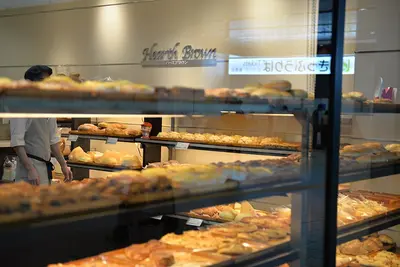
In the quiet, early hours of a Tokyo morning, before the city erupts into its frantic rhythm, the air inside a traditional artisanal bakery carries the faint, comforting scent of browning butter and caramelized sugar. Here, the hum of an oven is not merely a mechanical task; it is the heartbeat of a craft that has been meticulously adapted. When one considers the global fascination with this specialized evolution—a phenomenon exemplified by a video tour that has drawn 1.7 million views—it becomes clear that the world is no longer just watching; it is marveling at the sheer technical intensity of the Japanese approach to baking.
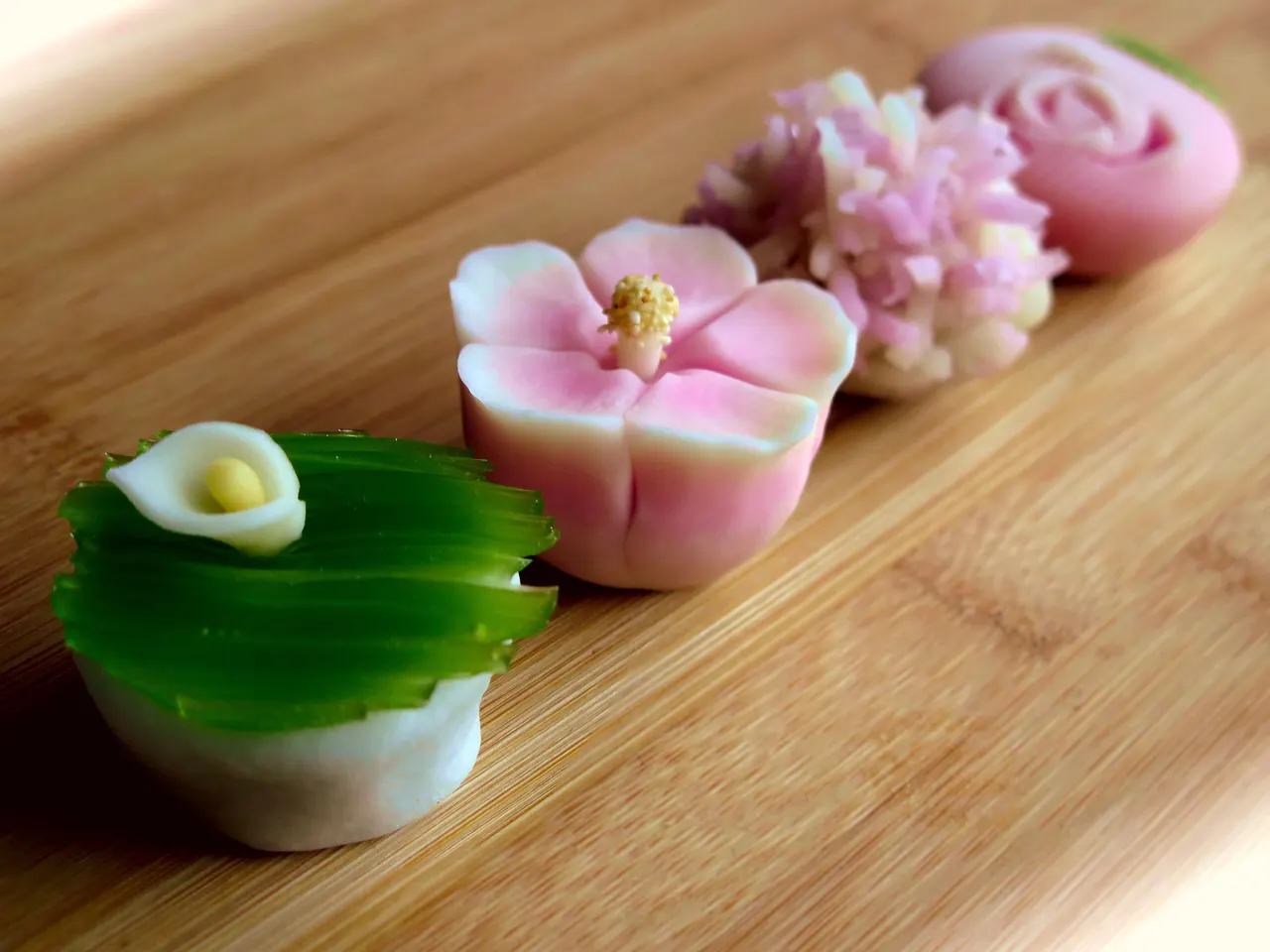
While Japan has long been celebrated for its traditional cuisine—a balanced architecture of rice, miso, and the delicate, plant-based confections known as wagashi—the arrival of Western baking techniques has sparked a creative renaissance. Unlike the heavy, butter-laden traditions often associated with European pastry, the Japanese interpretation prioritizes a sublime lightness, an almost surgical precision, and an unwavering commitment to the shun, or the peak of a season.
The Marriage of Technique and Temperament
The transformation of Western doughs in Japan is a story of adaptation. Traditional baking, which relies on the alchemy of dry heat to create firm, golden crusts and soft, airy interiors, was long a foreign concept in a culture that historically leaned toward simmering, grilling, or raw preparation. Yet, when the modernizing waves of the 1860s brought foods like tonkatsu to the forefront, the palate shifted. The Japanese baker approached the oven not as an imitator, but as an improver.
Baking serves as a bridge between cultures, where the dry-heat methods of the West are refined by the Japanese philosophy of kodawari—the relentless pursuit of perfection in one's craft.
In these bakeries, dough hydration is calculated with scientific exactitude. The lamination of a croissant is not simply a matter of folding fat; it is a ritualistic process that respects the integrity of every individual layer. The goal is a product that maintains a distinctive richness through surface browning, yet retains the clean, uncluttered flavor profile that defines the Japanese aesthetic.

The Aesthetics of the Bite
What sets these creations apart is the inclusion of seasonal motifs that draw directly from the legacy of wagashi. Where a European pâtissier might lean toward indulgence, the Japanese master baker leans toward balance. You might find a brioche infused with the ephemeral, earthy fragrance of cherry blossoms in spring, or a delicate custard accented by the deep, roasted notes of hojicha tea. These are not merely desserts; they are edible manifestations of the Japanese calendar.
This pursuit of beauty is deeply tied to the visual experience. A pastry must be as pleasant to the eye as it is to the palate. The crusts are uniform, the glazes are mirror-smooth, and the structural integrity is impeccable. This is the result of applying the same intensity once reserved for the careful preparation of sashimi or the precise arrangement of a simmered oden dish to the handling of yeast, flour, and butter.
A Global Appetite for Craft
Why does this matter now? Because in an age of mass production, there is a renewed, desperate hunger for the tactile and the thoughtful. The global appeal of Japanese bakeries lies in their ability to respect the history of European pastry while simultaneously stripping away the unnecessary, leaving only the essential. They prove that precision does not extinguish soul; rather, it elevates it.

As travelers wander through the narrow streets of Tokyo or Osaka, they are participating in a conversation that spans centuries and continents. It is a dialogue between the hearty, smoke-scented hearths of the old world and the disciplined, seasonal grace of the new. Each bite is a testament to the fact that when technique meets a philosophy of constant improvement, the result is something truly transcendent—a humble piece of bread or a delicate cream puff that tastes, quite simply, like the future of baking.