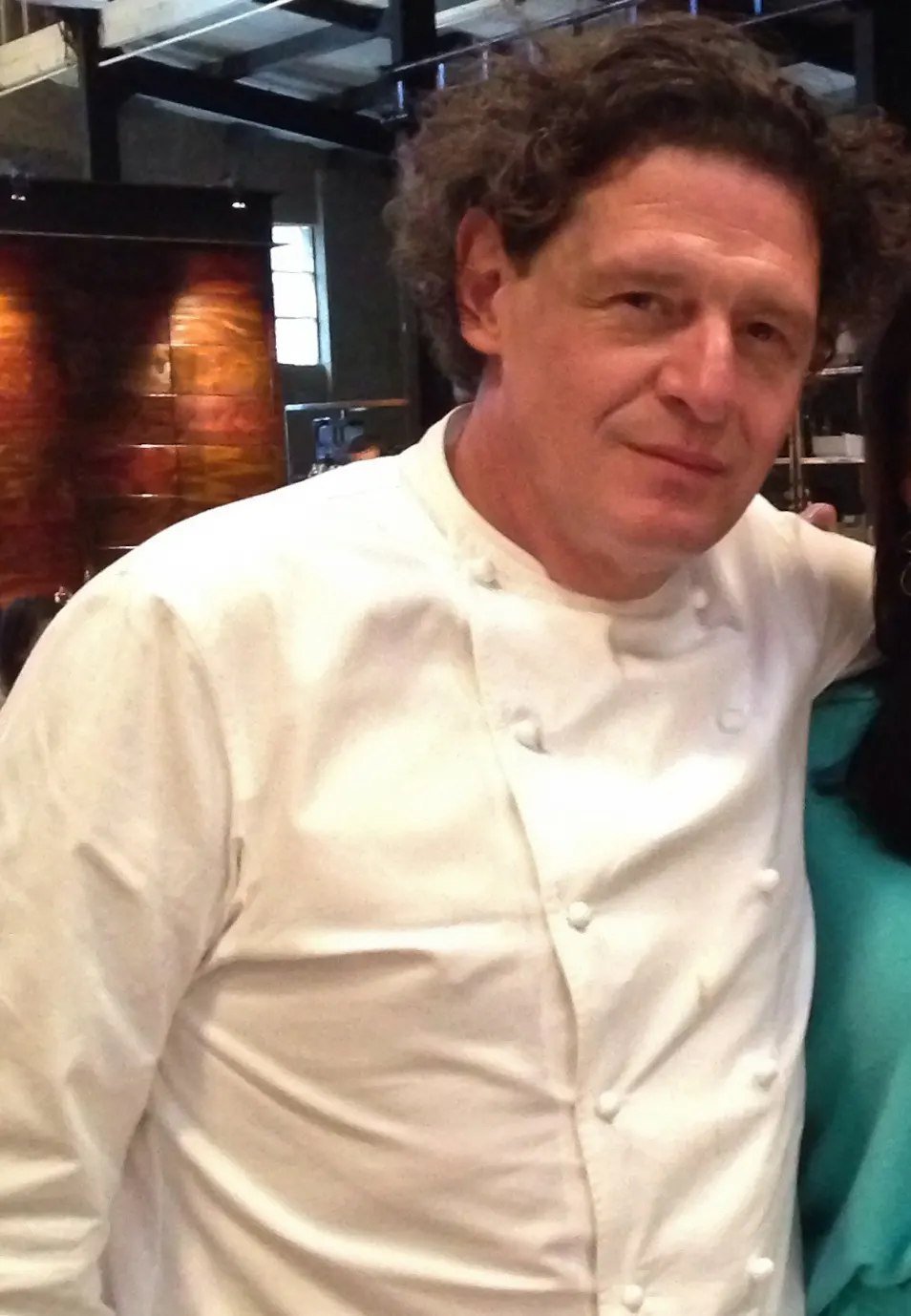
The Architect of Modern Intensity
In the high-pressure ecosystem of a professional kitchen, silence is often a form of communication. For Marco Pierre White, it was a weapon. Long before the era of polished, media-trained culinary icons, there was the enfant terrible of the British restaurant scene—a man who treated the act of cooking with the solemnity of a religious ritual and the aggression of a prizefighter. His influence remains so potent that even today, digital retrospectives like the video "Marco Pierre White - The Final Boss of Masterchef" by DR Hugo draw millions of viewers, proving that the world is still mesmerized by the man who broke the mold of what a chef should be.
White did not just cook; he commanded. In 1995, at the tender age of 33, he achieved what many considered impossible: he became the first British chef and the youngest ever to earn three Michelin stars. It was a feat of raw, uncompromising talent that forced the world to look at British cuisine—long maligned as utilitarian or uninspired—through a lens of world-class sophistication. He brought haute cuisine, defined by its meticulous preparation and elaborate presentation, into the reach of a new generation, effectively inventing the archetype of the celebrity chef in the process.
A Crucible of Culinary Genius
The intensity of White’s kitchens became a legendary crucible for the next generation of culinary titans. To pass through a Marco Pierre White kitchen was to be forged in fire. Among his proteges are names that now dominate the global culinary map: Gordon Ramsay, Mario Batali, Shannon Bennett, Curtis Stone, Phil Howard, and Stephen Terry. They were exposed to a philosophy that demanded total submission to the craft.
In 1995, White shattered records by earning three Michelin stars at just 33 years old, becoming the youngest chef in history to reach the pinnacle of the guide that originated as a French tire manufacturer's road map.
White’s style was rooted in an obsession with high-quality ingredients, elevated by a temperament that could turn from brooding silence to explosive perfectionism in a heartbeat. He forced a departure from the stuffy, overly ornate traditions of classical dining, pushing for a directness and purity that would influence how menus were drafted across the Anglosphere. He didn't just teach his students how to construct a sauce or fillet a fish; he taught them how to possess the kitchen as their own private domain.

The Legacy of the Michelin Standard
To understand White’s impact, one must understand the weight of the Michelin Guide itself. Since 1900, the guide has evolved from a simple resource for French motorists into the definitive arbiter of global fine dining. When White set his sights on those three stars, he was challenging the traditional gatekeepers of the culinary elite. He proved that excellence was not confined to a single nationality or tradition.
British cuisine, a tapestry of indigenous Celtic roots woven together by waves of migration—from the Roman and Viking conquests to the rich culinary traditions of India, the Caribbean, and Italy—finally found a champion who could articulate its potential on the global stage. By refusing to compromise on his vision, White elevated the standing of the entire British restaurant scene, proving that even in a culture heavily influenced by diverse global trade and migration, one could carve out a uniquely precise and rigorous identity.
A Lasting Echo in the Kitchen
The magnetism of Marco Pierre White lies in the paradox of his career: he was a perfectionist who could burn bridges as easily as he could balance a flavor profile. His volatile reputation was the price paid for his uncompromising standard of excellence. Today, the culinary world has moved toward greater collaboration, yet the DNA of his intensity remains etched into the industry. Every chef who demands absolute focus from their line cook, every restaurateur who prioritizes the integrity of a single ingredient, and every television producer who captures the friction of a busy service owes a debt to the man who first showed us that a chef could be a force of nature.

He remains a singular figure—a man who reached the very top of his profession and then, in his own time, stepped away. But his shadow lingers in every kitchen where the pursuit of the perfect plate outweighs the comfort of the status quo.