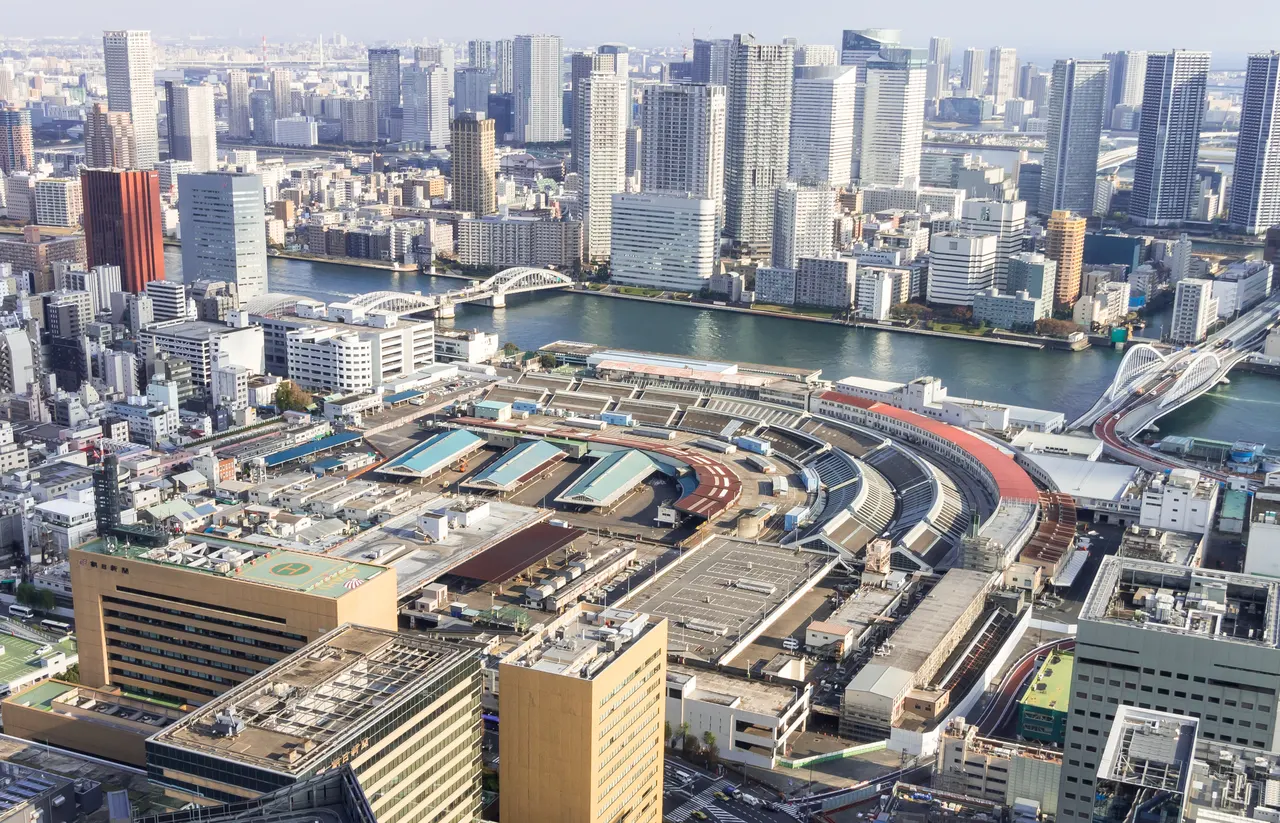
Long before dawn breaks over Tokyo’s Tokyo Bay, inside the echoing, icy halls of the city’s wholesale seafood markets, a quiet auction takes place. Under the harsh glare of overhead strip lights, men in rubber boots and worn aprons move among rows of silver-skinned bluefin tuna, their faces impassive, their hands holding small wooden hooks. They do not merely buy fish; they diagnose it. With a swift flick of a blade, a small cross-section of the tail is cut, pressed between thumb and forefinger, and evaluated for fat content, clarity, and temperature history. In this subterranean theatre, the fate of the world’s finest sushi is decided hours before the first customer sits down at a wooden counter in Ginza.
To the uninitiated, high-end sushi appears to be an exercise in minimal intervention—a slice of raw fish resting upon a mound of seasoned rice. Yet, the brilliance of an elite omakase meal relies entirely on an invisible partnership between the chef and their trusted supplier. While global fascination with this secret world has surged—evidenced by a video tour of a master supplier that has drawn 4.3 million views online—the actual mechanics of this elite supply chain remain fiercely guarded and deeply traditional.
The Architecture of Trust
In Tokyo's culinary ecosystem, money alone cannot buy the finest catch of the morning. The relationship between a neta-shi (specialist fish supplier) and a three-star Michelin sushi chef is built over decades of shared discipline. A premier broker might handle only a single species—such as wild bluefin tuna, sea urchin, or sea eel—and will sell their absolute best specimen to just one or two chefs whose craft they respect implicitly.
This dynamic reverses the traditional market economy. The chef rarely dictates what they want; instead, the supplier informs the chef what is exceptional today and how it must be treated. If a supplier decides that a particular wild sea bream caught off the coast of Akashi lacks the proper fat ratio due to recent weather patterns, it will not appear on a top-tier menu, regardless of customer demand.

The Science of Precision Procurement
The standard of excellence maintained by these suppliers goes far beyond mere freshness. In fact, for the top purveyors, absolute freshness is often considered a crude metric. The true art lies in understanding the physiological state of the marine life at the exact moment of harvest and managing its subsequent biochemical transformation.
Suppliers work almost exclusively with fishermen who practice ikejime—a humane harvesting method where a spike is inserted directly into the fish’s brain stem, followed by the severing of the main artery and the insertion of a fine wire down the spinal cord. This process immediately halts the nervous system, preventing the release of stress hormones like lactic acid, which ruin the flesh's texture and flavor. By preserving the fish’s adenosine triphosphate (ATP) stores, the supplier enables the fish to be aged safely, allowing complex inosinic acids to develop over days or even weeks, resulting in extraordinary umami depth.
The world’s most prized bluefin tunas are evaluated not by their weight, but by the precise cellular distribution of lipid layers within the otoro, a metric judged entirely by human touch in under five seconds.
Curating the Unseen Details
Walk through the stalls of Tokyo’s premier intermediate wholesalers, and you will witness an obsessiveness that borders on the fanatical. A supplier specializing in uni (sea urchin) will spend hours inspecting wooden trays shipped from Hokkaido, evaluating the structural integrity of every individual lobe, ensuring that no excess moisture or chemical preservatives have altered their natural, custard-like sweetness.

Another broker, dedicated solely to kohada (gizzard shad), searches for specimens within a margin of mere millimeters. If the fish is too small, the skin will tear during the delicate salting process; if it is too large, the bones become too rigid to be softened by rice vinegar. The supplier acts as an uncompromising filter, discarding ninety percent of the market's inventory to yield the few dozen pieces capable of meeting an elite master's standards.
The Guarded Future of a Craft
As international demand for luxury sushi continues to soar, the pressure on these master suppliers has intensified. Environmental shifts, changing ocean temperatures, and global competition for premium seafood have made exceptional catches rarer than ever. Yet, the core ethos of Tokyo's fish masters remains unchanged: an unyielding refusal to compromise on quality.
When an omakase guest presses a piece of aged bluefin to their palate, they are tasting far more than the skill of the chef wielding the knife. They are experiencing the culmination of an intricate, invisible chain of expertise—a legacy preserved by the quiet stewards of the sea who work in the cold shadows long before the city wakes.