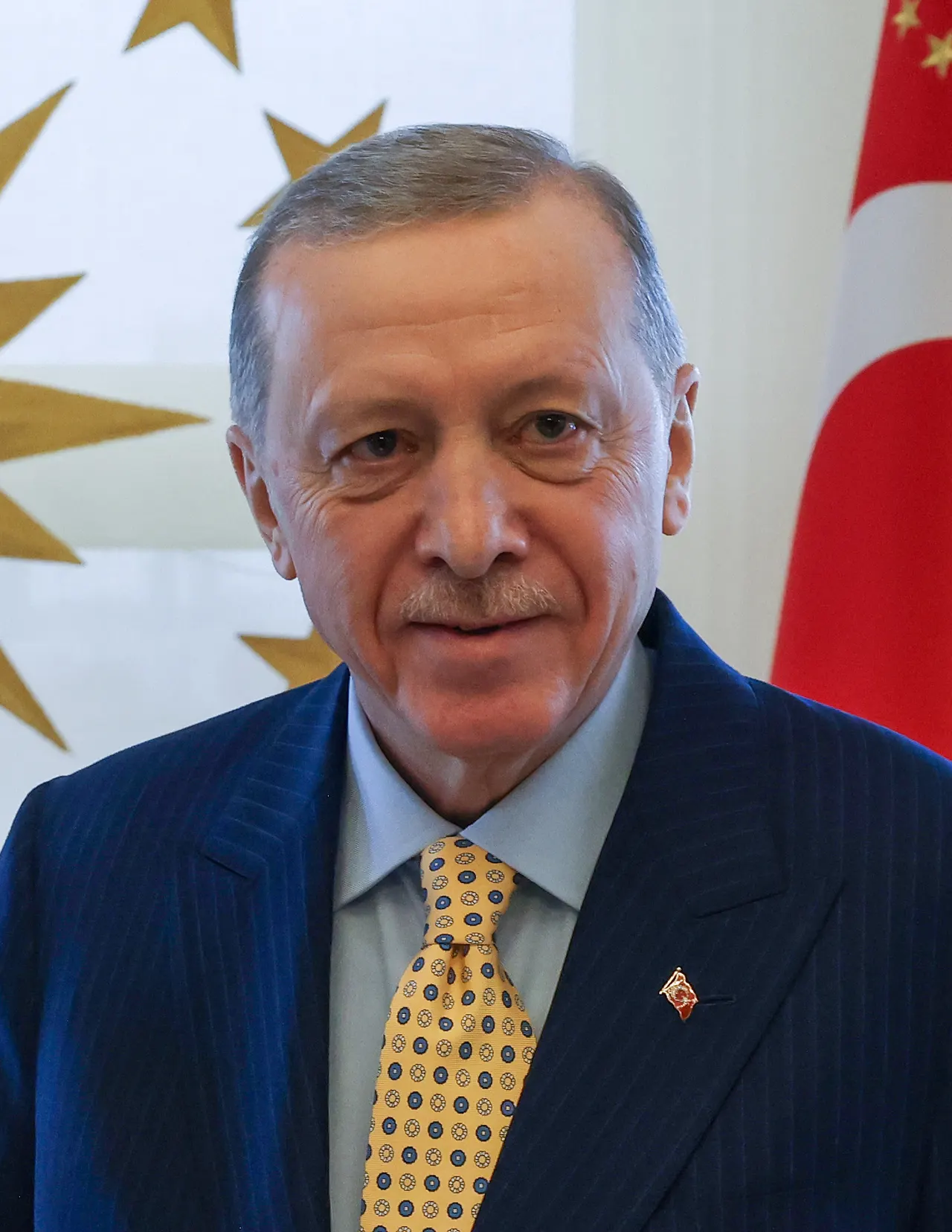
Turkish President Recep Tayyip Erdoğan and Qatari Emir Sheikh Tamim bin Hamad Al Thani signed a comprehensive mutual defense agreement on Friday in Istanbul, pledging a unified response to any external military aggression against either country. The agreement, finalized during a bilateral summit at the Dolmabahçe Presidential Palace, establishes a framework for deepened security cooperation, including provisions for joint military exercises, defense industry development, and personnel training. While the specific legal text of the accord remains undisclosed, both governments characterized the deal as a significant expansion of their strategic partnership, intended to bolster regional stability and protect the sovereignty of both nations.
What are the primary objectives of the defense agreement?
The mutual defense pact mandates that Turkey and Qatar maintain a unified stance against external threats, with both nations committing to continuous consultation on security matters. According to the Qatari Foreign Ministry, the agreement serves to promote collective defense and regional security by coordinating responses to potential armed attacks targeting either party. President Erdoğan emphasized that the collaboration is designed to help prevent the recurrence of war within the Gulf region and create a stable foundation for ongoing diplomatic dialogue. In addition to defense protocols, the summit resulted in several other agreements focusing on humanitarian coordination, particularly regarding the reconstruction of Gaza, alongside commitments to strengthen cooperation in education, market monitoring, and consumer protection, as reported by the Amiri Diwan.
President Erdogan stated that the Mutual Defence Agreement signed today by Turkey and Qatar would add another dimension to our brotherhood.
How does this deal fit into recent regional security shifts?
The signing of this pact follows a series of regional defense realignments involving Turkey as it navigates the ongoing volatility of the Middle East. Earlier this year, in August, Turkey, Pakistan, and Saudi Arabia ratified the Mecca Joint Defence Agreement, which asserts that an attack on one signatory constitutes an attack on all three. This trend of multilateral cooperation comes as regional powers seek to diversify their security guarantees, particularly given the perceived limitations of existing international security frameworks during the ongoing conflict with Iran. Security analysts, such as Yusuf Alabarda, have noted that the current geopolitical climate has forced Gulf nations to reconsider their reliance on traditional security providers, leading to increased interest in Turkish military assets, air defense systems, and tactical support to ensure long-term stability.
What is the context of Turkey and Qatar’s previous relations?
Turkey and Qatar have maintained a strong strategic alignment for years, frequently coordinating on regional political issues and shared diplomatic interests. Both countries have faced occasional criticism from Western and regional counterparts for their historical support of certain movements, including Hamas and the Muslim Brotherhood. Beyond political synergy, the two nations operate within complex security environments; Turkey remains a key member of NATO, while Qatar has held a "major non-NATO ally" status with the United States since 2022. The relationship is further supported by a significant Turkish military presence in Qatar, which officials from both sides have indicated may be expanded to include more advanced hardware and training initiatives in the near future to address evolving regional threats.

What is still unclear about the pact?
While the leaders have confirmed the signing, the precise operational details and specific obligations of the Turkey-Qatar defense agreement remain ambiguous as the full document has not been released to the public. Outlets including Al Jazeera and Reuters have reported on the diplomatic significance of the visit, yet they have not confirmed if the pact includes automatic military intervention triggers or a specific timeline for the deployment of Turkish defensive weaponry to Qatari territory. Furthermore, while the agreement is part of a broader set of five accords signed during the Emir's visit to Istanbul, the Turkish presidency has not specified the exact duration or potential sunset clauses of the military commitments. As of today, it is also unclear whether this bilateral agreement will be integrated into the existing multilateral framework known as the "Badr" memorandum, which Qatar, Indonesia, Pakistan, and Turkey signed in Doha during October, or if it will function as an entirely separate, higher-tier security commitment.
Sources: This report draws on coverage by Al Jazeera, The Jerusalem Post, Jewish Policy Center, The New Region, Israel National News, France 24, Reuters, eKathimerini.com. The wording is our own.