Members of the U.S. Congress are pushing for stricter export controls on artificial intelligence microchips following a national security scandal involving California-based Nvidia and Singapore-based cloud provider Megaspeed. The legislative push comes after Nvidia co-founder Jensen Huang resigned as chief executive officer on November 12, 2026, amid revelations regarding extramarital relationships, including one with former Megaspeed executive Alice Huang, who is suspected by U.S. intelligence of acting as a Chinese intelligence asset.
How did the Nvidia scandal spark calls for tighter chip export rules?
The scandal sparked calls for tighter chip export rules after allegations surfaced that Megaspeed served as a backdoor route for Chinese technology firms seeking access to high-performance Nvidia hardware. U.S. restrictions originally established under the Biden administration were designed to restrict Beijing from acquiring top-tier AI processing power. However, Megaspeed operates data centers in Malaysia, Indonesia, and Thailand that rent out Nvidia graphics processing units. Critics assert this setup allowed Chinese entities to bypass hardware bans by remotely accessing computing power hosted in Southeast Asia.
Although Singapore does not enforce unilateral export controls declared by foreign governments, regional regulators expect entities in their jurisdiction to comply with international standards. In response to growing public scrutiny, Megaspeed announced an internal investigation into its operational practices. "Ms. Alice Huang officially left Megaspeed effective August 30, 2025 and currently has no role with the Company," Megaspeed stated in an email shared with CNBC, adding that external legal counsel will review the firm's supply chains.
Why is Commerce Secretary Howard Lutnick facing political pressure?
Commerce Secretary Howard Lutnick is facing intense political pressure because his department holds primary oversight over the U.S. entity list, which restricts domestic businesses from trading with designated foreign entities. Treasury Secretary Scott Bessent directly criticized the Commerce Department during a CNBC interview, revealing that multiple government agencies had urged officials to place Megaspeed on the entity list for several months without success. Consequently, congressional committees have ordered Lutnick and his department to preserve all internal communications and documents concerning Nvidia and its former executive.

"Several agencies were in favour of putting Megaspeed on the entity list for months... but Commerce has the pen... and you will have to ask them about their internal process." — Scott Bessent, U.S. Treasury Secretary, via CNBC
Lutnick has been summoned to give formal testimony before the Senate Banking Committee next month. Meanwhile, congressional Democrats dispatched a formal letter to the Commerce Department demanding an immediate freeze on all high-end AI processor shipments heading toward Chinese destinations. The political fallout has also touched the White House, as President Donald Trump had previously authorized exports of Nvidia's reduced-capability H200 processors to China earlier this year and held multiple calls with Jensen Huang as the controversy developed.
What background context explains the geopolitical struggle over AI hardware?
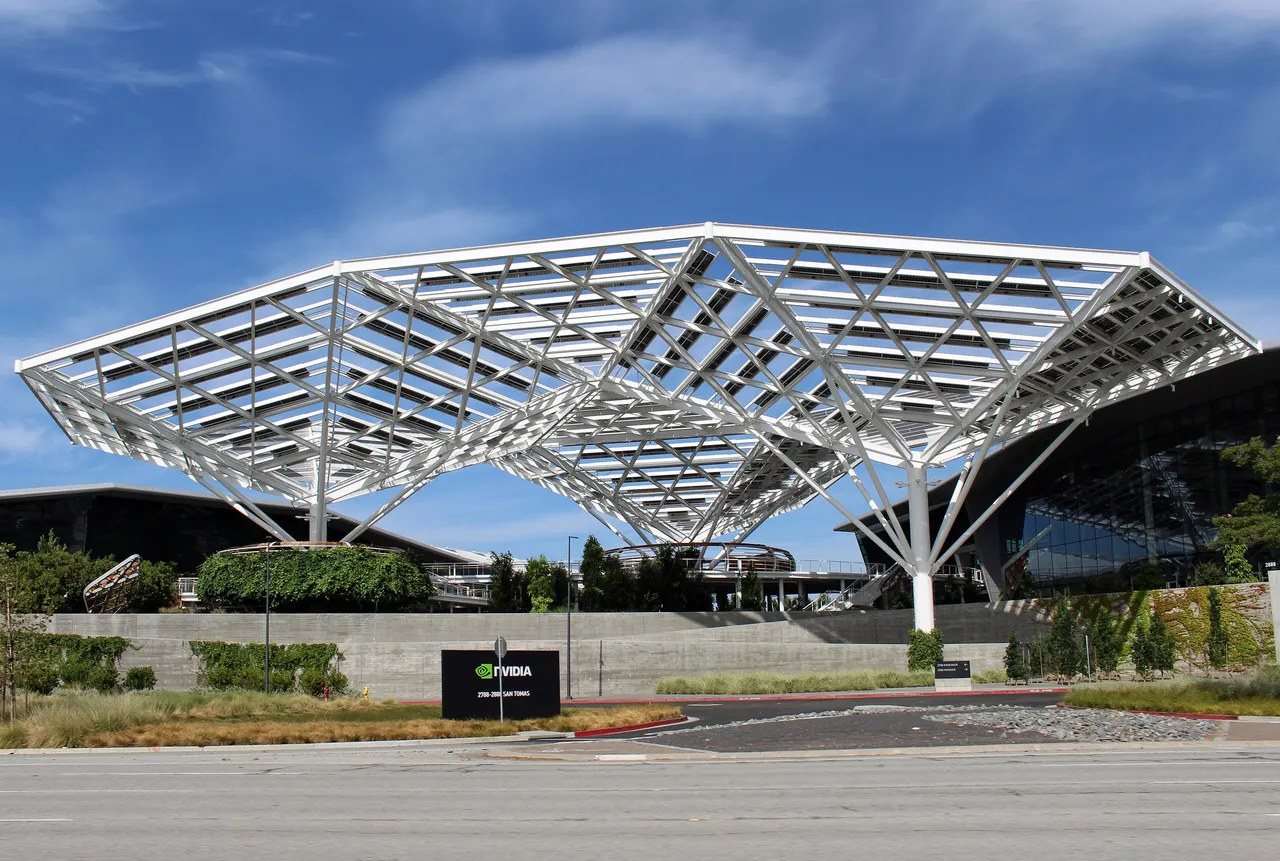
The background context explaining the geopolitical struggle centers on the dominant market position held by Nvidia, which was established in Santa Clara, California, in 1993. Nvidia historically commanded approximately 95 percent of China's artificial intelligence processor market. Following the implementation of federal export barriers, the semiconductor manufacturer experienced a sharp decline in Chinese sales volumes, prompting extensive lobbying efforts by company executives to relax trade boundaries.

The controversy arises during a sensitive diplomatic period, just as President Trump prepares for an official meeting in China with Chinese President Xi Jinping. Government officials in Beijing have dismissed claims regarding Alice Huang, characterizing the espionage accusations as baseless. Chinese representatives warned Washington against utilizing the situation as a convenient pretense to enforce a unilateral technological blockade against China's domestic technology sector.
What is still unclear?
It remains unclear whether U.S. federal authorities will officially place Megaspeed on the trade entity list or completely block H200 chip exports ahead of the upcoming presidential summit in China. Outlets have not established the extent to which Megaspeed's Southeast Asian infrastructure actually funneled computing capacity to state-backed Chinese firms, nor have investigators confirmed the precise scope of Alice Huang's activities prior to her departure from the company in August 2025. The full findings of Megaspeed's internal legal inquiry and the outcome of Secretary Lutnick's upcoming Senate Banking Committee testimony next month are expected to clarify potential regulatory changes.
Sources: This report draws on coverage by BBC News, CNBC, Daily Sabah, Financial Times, France 24, WSJ, The Hill, Traders Union. The wording is our own.