How will the Abu Dhabi negotiations be structured?
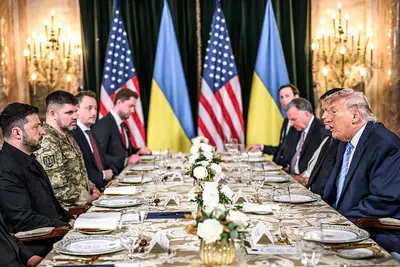
After a nine-month period of inactivity, high-level diplomatic talks aimed at resolving the conflict between Russia and Ukraine are resuming this week in Abu Dhabi. While the United States continues to lead the mediation process, these sessions will notably include representatives from European nations, a development confirmed by the French government following earlier deliberations at a G7 ministerial meeting in Paris. Despite the intensity of diplomatic efforts, organizers have indicated that a comprehensive cease-fire agreement is currently not on the agenda.
Why is European involvement in the talks significant?
The decision to include European delegates marks a pivotal shift in the diplomatic landscape, as regional powers have increasingly sought a greater voice in the future of the conflict. While the Kremlin initially voiced objections to the broader participation of European states, French officials maintained that Europe would secure a firm place at the table. This expansion of the participant list reflects ongoing tensions regarding the potential outcomes of the war, with Ukrainian President Volodymyr Zelenskyy publicly cautioning against any settlement that might resemble a "second Yalta"—a reference to post-World War II divisions that excluded the interests of affected nations.
A cease-fire won’t be on the table.
What is the current political climate surrounding the talks?
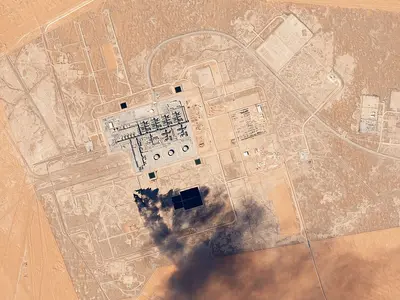
The atmosphere surrounding the Abu Dhabi meetings remains fraught, underscored by the volatile reality on the ground. Both Russian and Ukrainian officials have continued to trade blame for recent cross-border military strikes, which reportedly resulted in at least seven injuries. Meanwhile, international discourse has been further complicated by external political rhetoric. Former U.S. President Donald Trump has suggested that Ukraine may emerge in a "different shape" following future diplomatic processes, while the German political party AfD has proposed a separate, controversial framework for talks that would exclude Ukrainian officials entirely, favoring a U.S.-Russia binary approach.
What are the primary obstacles to a long-term resolution?
The resumption of talks in Abu Dhabi arrives amid a backdrop of intense geopolitical maneuvering and internal European budgetary deliberations, which have been described by observers as "confessionals" regarding the union's commitment to the region. The complexity of these negotiations is compounded by the fact that both warring parties remain deeply entrenched in their respective military objectives. As global powers look to these talks as a possible pathway toward stability, the lack of an immediate cease-fire agreement highlights the significant distance between the conflicting demands of Moscow and Kyiv, leaving the potential for a lasting peace resolution in a state of deep uncertainty.