The Architecture of Ambition
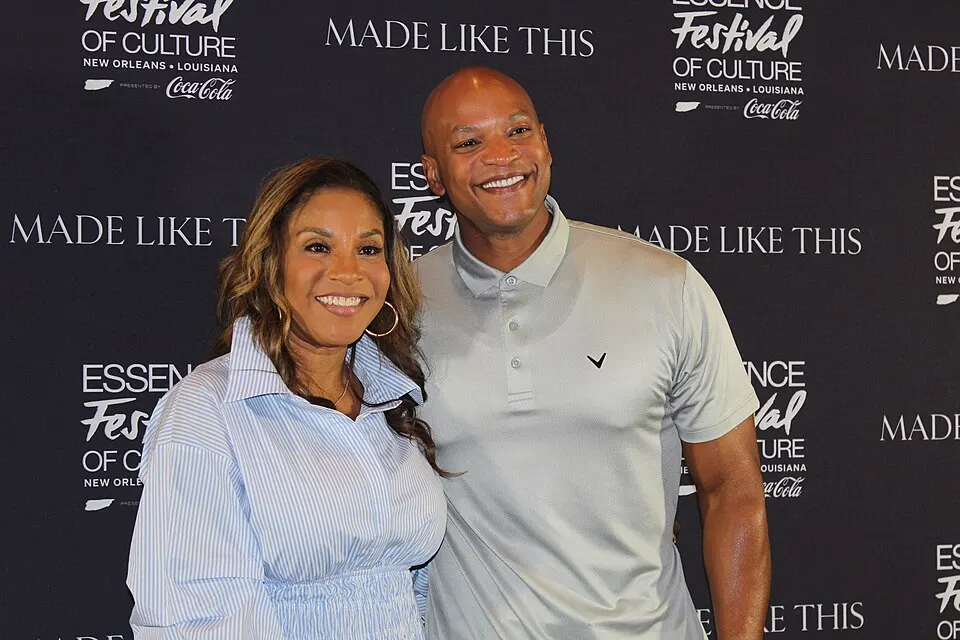
In the quiet, deliberate tradition of executive literary endeavors, Maryland Governor Wes Moore has announced his latest project, Repair: Healing a Divided Nation. Scheduled for a March release, the book enters the national consciousness at a moment of profound political volatility. As Moore navigates his current role as the 63rd governor of Maryland, the announcement has served as a catalyst for renewed 2028 presidential speculation, positioning the author within a storied historical lineage of hopefuls who have used the written word to articulate their vision for the American future.
For the political observer, the timing is impossible to ignore. Much like the literary efforts that preceded previous national campaigns, Repair is being interpreted as both a philosophical manifesto and a strategic opening gambit. While Moore himself remains characteristically coy regarding his future intentions, the mere existence of the book has guaranteed that he will be subject to heightened visibility on the national stage.
The Promise and Pressure of 'Repair'
At its core, the book posits a thesis of national reconciliation, inviting a fragmented electorate to consider the mechanics of mending a fractured society. Yet, as noted by various outlets, the project is already pulling double duty. Beyond the thematic content, the book serves as a lightning rod for the intense political pressures of the day. As WBFF reported, the announcement of the project has not only fueled buzz regarding 2028, but has also invited a fresh wave of scrutiny into the governor’s past.

The project stands as a testament to the intersection of leadership and narrative, as observers across the media landscape weigh whether the governor’s message of healing can transcend the typical cynicism of modern political life.
The reception to the announcement has been wide-ranging, capturing a snapshot of a national media apparatus hyper-alert to the signs of a presidential campaign. Outlets from The Baltimore Banner to The Washington Post have framed the work as a standard-bearer for a politician testing the waters of a wider reach. The narrative thread that consistently appears across these reports is one of duality: Moore is simultaneously seen as a statesman offering a necessary balm for a weary country, and as a candidate meticulously constructing a platform for a potential run for the White House.
A Required Read for a Curious Electorate
Who, then, is this book for? In a climate defined by skepticism and hyper-partisanship, Repair arrives as a challenging invitation. For the political enthusiast, it is an essential primary document—a chance to dissect the rhetoric of a potential future leader before the electoral heat begins to rise. For the general reader, the book promises an exploration of how one might reconcile the deep-seated divisions that currently define the American experience.

As the March release date approaches, the conversation surrounding Wes Moore will likely shift from the existence of the book to the substance of its pages. Whether the work succeeds in fostering a genuine dialogue about healing or is ultimately subsumed by the machinery of the 2028 election cycle remains the central question. What is certain, however, is that Repair has already succeeded in its immediate objective: it has placed its author firmly at the center of the conversation, leaving the nation to wonder what form this 'repair' might actually take when—and if—it hits the political stage.
Sources: This report draws on coverage by Baltimore Fishbowl, Baltimore Sun, WBFF, AP News, AFRO News, Maryland Matters, Washington Examiner, The Killeen Daily Herald. The wording is our own.