The 2026 General Strike: An Unprecedented Disruption
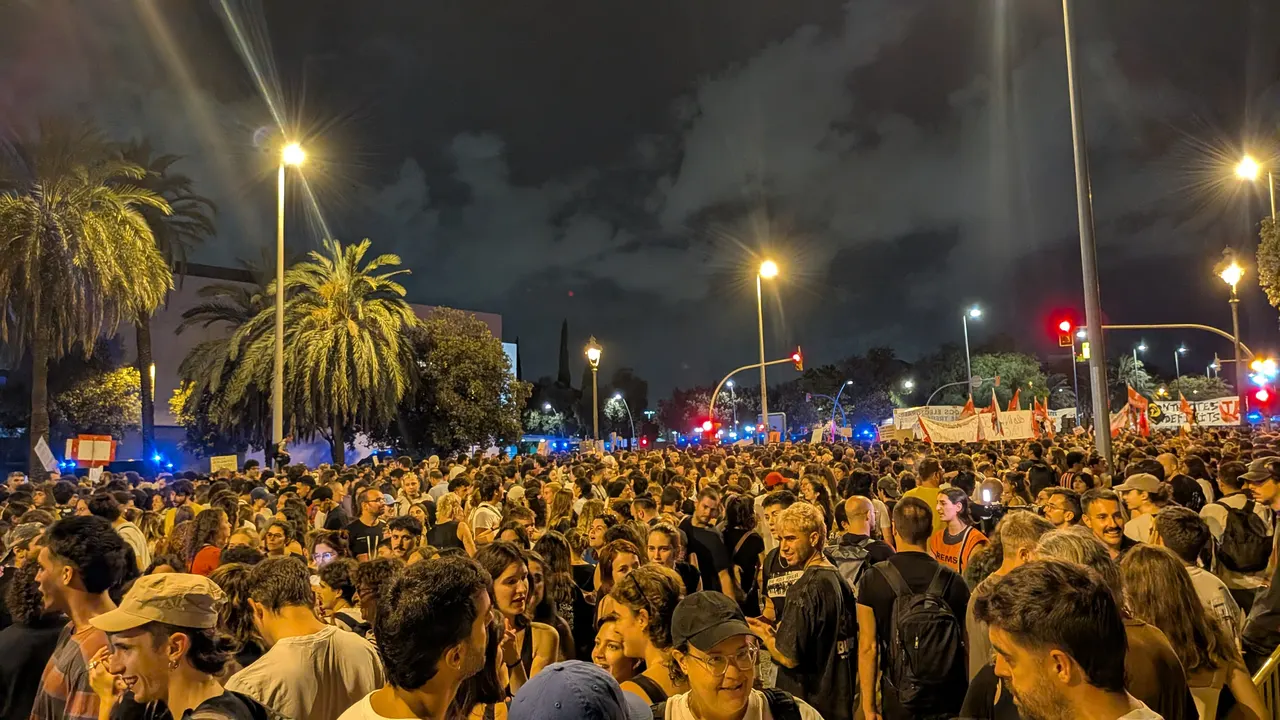
Spain is currently witnessing its first general strike in 14 years, a nationwide 24-hour stoppage that has caused widespread disruption across major cities. According to reports from the BBC and The Guardian, millions of workers have participated in the movement, signaling deep-seated dissatisfaction with current economic conditions. The strike, occurring less than three weeks before the national election on November 29, 2026, has brought industrial and commercial activities to a standstill, with protestors specifically demanding tangible solutions to rising housing costs and stagnant wages.
Contextualizing the Economic Instability
The current unrest is the culmination of long-term economic pressures and political volatility. Following the 2023 election, Prime Minister Pedro Sánchez formed a coalition government between the Spanish Socialist Workers' Party (PSOE) and Sumar, supported by Together for Catalonia (Junts). This term has been marked by significant challenges, including the impact of the ongoing war in Ukraine, the 2026 Iran war, and the international trade climate. Domestically, the government has faced scrutiny over corruption allegations, such as the Koldo and Zapatero affairs, alongside criticism regarding the management of environmental disasters like the 2024 Valencian floods.
The 24-hour stoppage has drawn high participation across sectors and comes weeks before election in which far right could gain power. — The Guardian
As reported by The New York Times and Reuters, the housing crisis—characterized by soaring rents and the struggles of the younger generation, highlighted by Amnesty International—has become the primary point of contention. This environment has effectively shifted the narrative of the upcoming election away from traditional political maneuvering and toward the immediate material concerns of the citizenry.
Key Actors and Strategic Objectives
The political landscape remains sharply divided as parties prepare for the vote on November 29:
- The Governing Coalition (PSOE and Sumar): Currently led by Prime Minister Sánchez, the coalition seeks to maintain its mandate despite the corruption probes and economic strain. They are under intense pressure to present a viable response to the housing crisis that satisfies both their base and the electorate currently on the picket lines.
- The People's Party (PP): As the primary opposition, the PP aims to leverage the economic discontent and government scandals to secure a victory. They have sought to distance themselves from the government’s handling of the crisis while capitalizing on the public's desire for change.
- Vox: The far-right party has positioned itself to potentially gain power, utilizing the climate of instability to advocate for its platform. Reports from The Guardian suggest that the current volatility creates a unique political opening for the far right to increase its influence in the 16th Cortes Generales.
Scenarios for the November 29 Election
The impact of the strike on the electoral outcome is the subject of intense speculation. Several scenarios emerge based on the trajectory of the protests:

1. Polarization and Right-Wing Gains: If the strikes continue to disrupt public services and are perceived as a failure of the current administration to maintain order, voters may gravitate toward the PP and Vox. This scenario relies on the perception that the governing coalition has lost control of the nation's economic and social stability.
2. Consolidation of the Left: Conversely, if the government manages to pivot quickly by announcing significant housing reforms or wage protections in response to the strike, it could potentially galvanize its base and mitigate losses. This would require a successful reconciliation between the government’s policy agenda and the specific, urgent demands of the protesting labor force.
What to Watch in the Coming Weeks
As the November 29 election approaches, observers should monitor two primary indicators: the duration and intensity of the strike actions, and the formal policy responses from the major political parties. The ability of the current government to address the housing crisis without further alienating the public—or whether the opposition can effectively channel the protest movement into electoral support—will be the defining factors of the final campaign phase.
Sources: This report draws on coverage by The Guardian, BBC News, The New York Times, DW.com, Reuters, Amnesty International, NPR, Al Jazeera. The wording is our own.