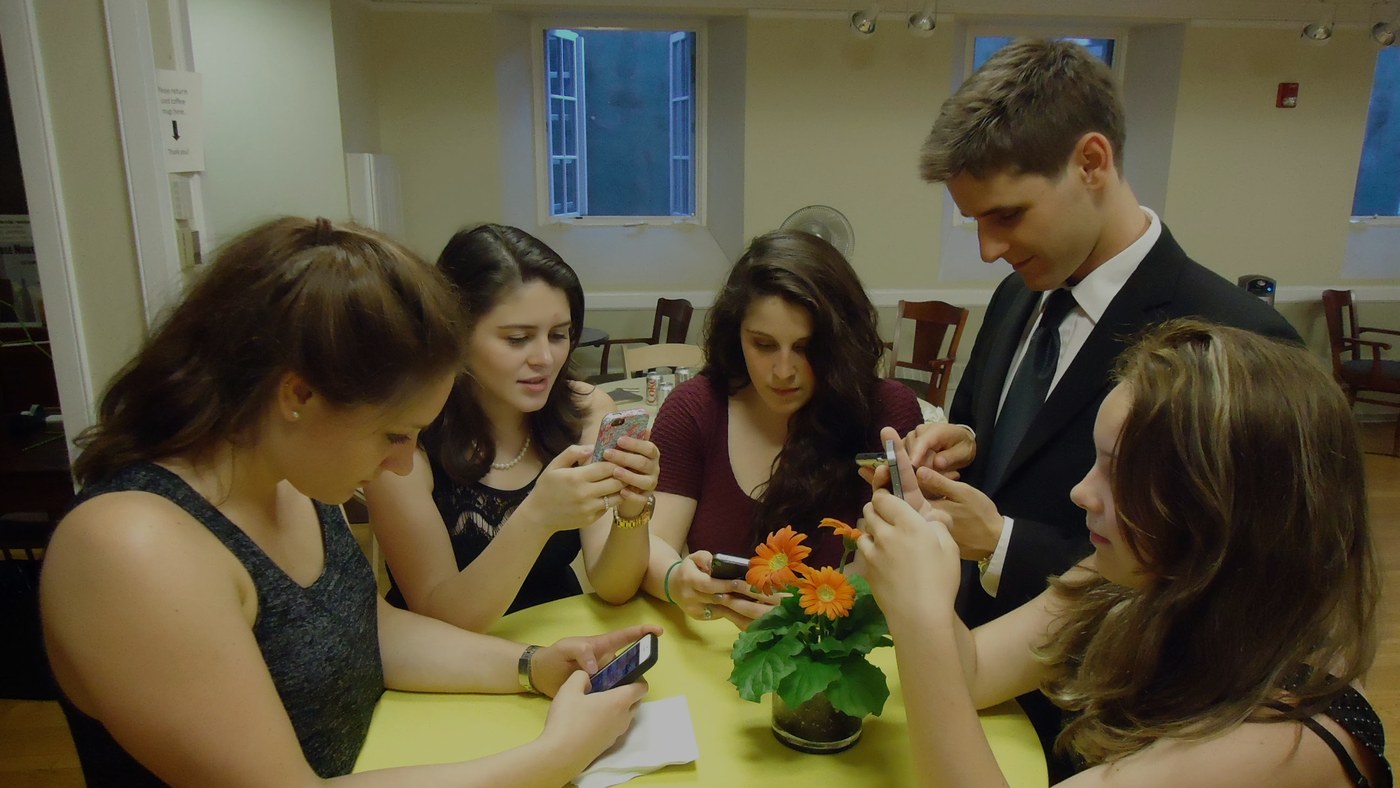
High performers frequently fall into a familiar pattern when facing major decisions: dozens of open browser tabs, notebooks filled with references, and zero concrete action. While this behavior resembles rigorous discipline from the outside, it is driven by a psychological desire to eliminate uncertainty rather than a genuine lack of information.1
A critical distinction exists between productive research and infinite deliberation: thorough investigation improves decision quality, but endless research drastically increases decision costs. These costs extend beyond wasted time, as delayed choices cause individuals to miss critical windows of opportunity, raise their personal standards to unachievable heights, and make future decisions even harder to execute.2
Why Does Decision Output Drop as Options Multiply?
Decision output drops as options multiply because abundant choices overload cognitive capacity and trigger a paralyzing fear of making a suboptimal choice. In a landmark study conducted by researchers from Columbia University and Stanford University, consumers at a food market were presented with a display of either 24 varieties of jam on one day or six varieties on another. Although the display with 24 options attracted a larger crowd, it resulted in significantly fewer actual purchases, yielding a purchase rate of just 3 percent compared to 30 percent for the six-option setup.3
Notes and Sources
- Schwartz, B. et al. (2002). "Maximizing Versus Satisficing: Happiness Is a Matter of Choice", Journal of Personality and Social Psychology, 83(5), 1178-1197. DOI: 10.1037/0022-3514.83.5.1178 ↩
- Gigerenzer, G. & Gaissmaier, W. (2011). "Heuristic Decision Making", Annual Review of Psychology, 62, 451-482. DOI: 10.1146/annurev-psych-120709-145346 ↩
- Iyengar, S. S. & Lepper, M. R. (2000). "When Choice is Demotivating: Can One Desire Too Much of a Good Thing?", Journal of Personality and Social Psychology, 79(6), 995-1006. DOI: 10.1037/0022-3514.79.6.995 ↩
- Chernev, A., Böckenholt, U. & Goodman, J. (2015). "Choice Overload: A Conceptual Review and Meta-Analysis", Journal of Consumer Psychology, 25(2), 333-358. DOI: 10.1016/j.jcps.2014.08.002
- Misuraca, R., Fasolo, B. & Costa, A. (2015). "The influence of perceived competence on information search and choice", Journal of Behavioral Decision Making, 28(4), 381-394. DOI: 10.1002/bdm.1851
- Sirois, F. M. & Pychyl, T. A. (2013). "Procrastination and the Priority of Short-Term Mood Regulation", European Psychologist, 18(2), 115-127. DOI: 10.1027/1016-9040/a000154
- Steel, P. (2007). "The nature of procrastination: A meta-analytic and theoretical review of quintessential self-regulatory failure", Psychological Bulletin, 133(1), 65-94. DOI: 10.1037/0033-2909.133.1.65
This content is for informational purposes only and does not substitute for diagnosis, treatment, or personal psychological counseling.