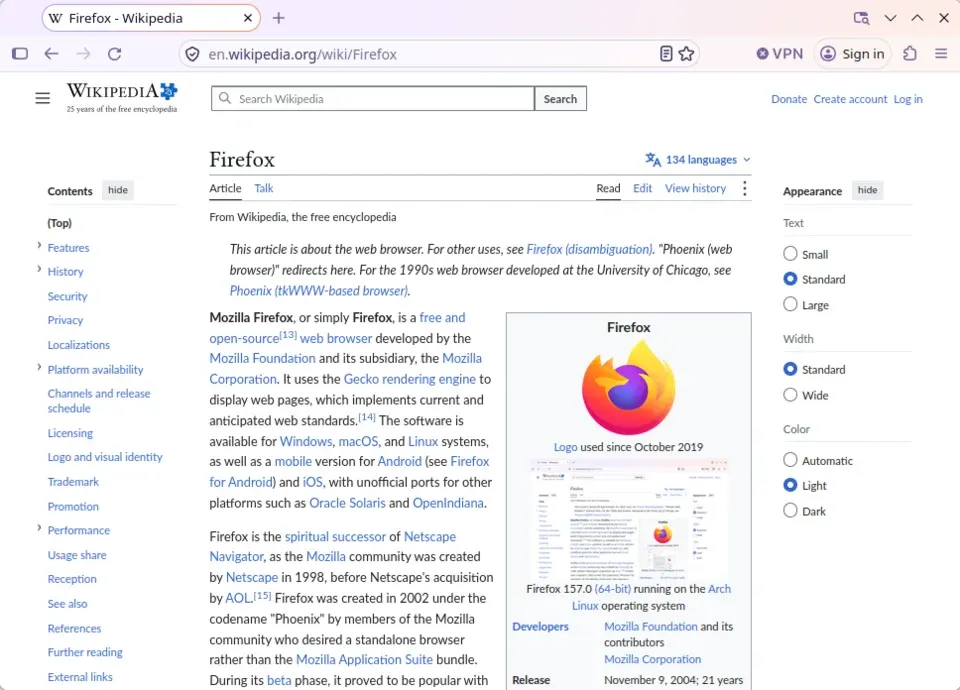
On November 9, 2004, the Mozilla Foundation officially released Firefox 1.0. Developed as a faster, more secure, and highly customizable alternative to the then-dominant Internet Explorer 6, the browser rapidly captured the public imagination. By garnering 60 million downloads in less than a year, Firefox proved that a standalone, community-driven project could fundamentally reshape how the world accesses the internet.
The roots of this technological shift lie in the late 1990s, within the offices of Netscape. Following the decline of Netscape Navigator and its eventual acquisition by AOL, members of the Mozilla community felt that the massive, feature-bloated Mozilla Application Suite was not the solution for a modern, agile web. In 2002, Dave Hyatt, Joe Hewitt, and Blake Ross began working on a stripped-down, streamlined browser, initially codenamed "Phoenix." They aimed to create a tool that prioritized the user experience over corporate commercial mandates.
Why did the world need a new browser?
The tech landscape of the early 2000s was defined by the monolithic dominance of Microsoft's Internet Explorer 6. Internet Explorer offered little room for innovation, and many users grew frustrated with security vulnerabilities and sluggish performance. Firefox emerged as the spiritual successor to the Netscape legacy, offering a fresh, open-source approach that focused on standards-compliant rendering. This shift toward the Gecko engine provided developers with a more consistent foundation for building web pages, effectively signaling that the future of the internet would not be dictated by a single proprietary entity.

As the project neared its 1.0 milestone, the excitement within the open-source community was palpable. The beta period had already demonstrated that Firefox was capable of outperforming its rival in both speed and security. When the final version launched on November 9, 2004, it was more than just software; it was a rallying cry for developers and users who believed in a decentralized, accessible web. The "Phoenix" had truly risen, evolving from a small experimental branch into a global engine of change.
In its first nine months, Firefox was downloaded 60 million times, a staggering figure for an open-source project that effectively broke the total dominance of the browser market and forced a new era of competition.
How did Firefox evolve after its initial success?
Following the 1.0 launch, Firefox continued to innovate at a pace that pressured competitors to follow suit. The browser introduced features like tabbed browsing, smart bookmarks, and a robust add-on ecosystem, allowing users to customize their browsing experience in ways previously thought impossible. As the community grew, so did the technical architecture; later, in 2017, Mozilla introduced "Quantum," a major project designed to maximize performance through parallelism and a cleaner, more intuitive interface. This evolution proved that Mozilla could maintain its relevance despite the rise of newer competitors like Google Chrome.

The growth of the browser was not without its challenges. Throughout its history, Firefox transitioned through various eras, from the peak usage share of 32.21% in November 2009—when Firefox 3.5 began to eclipse older versions of its competitors—to its current state as a specialized, privacy-focused tool. The browser adapted to the times by embracing web standards, shifting from XUL-based legacy add-ons to the WebExtensions API, and integrating tools that allowed developers to inspect elements, debug code, and optimize multimedia items.
What legacy did the browser leave for modern web users?
Beyond the software itself, Firefox institutionalized the idea that a web browser should be an open, transparent, and user-centric platform. By implementing features like "Safe Browsing" to protect against malware and phishing, and by offering "Private Browsing" modes, Mozilla consistently championed user rights. Even when faced with controversial decisions—such as the 2017 inclusion of a "Mr. Robot" promotional extension or the controversial support for Encrypted Media Extensions (EME)—the organization maintained a transparent roadmap designed to balance user convenience with technological necessity.

Today, while the landscape includes heavy hitters like Google Chrome and Microsoft Edge, Firefox retains a dedicated following. It remains a default fixture on major Linux distributions and continues to offer specialized features, such as the recent introduction of the Smart Window AI assistant in late 2026. The browser serves as a persistent reminder that the internet is at its best when it is defined by open standards and community-driven development rather than closed, proprietary walled gardens.
The original name of the browser was Phoenix, a name chosen because the developers felt they were resurrecting the spirit of the Netscape browser from its ashes.

Firefox usage reached an all-time peak of 32.21% in November 2009, a testament to its rapid adoption after the 2004 release.
The Firefox iOS version uses the WebKit layout engine instead of the native Gecko engine to comply with platform requirements established by Apple.
Watch: Mozilla Firefox 1.0 in 2004
From the Web Design Museum channel.
Sources and further reading: Wikipedia — Firefox (CC BY-SA). Images: Wikimedia Commons.