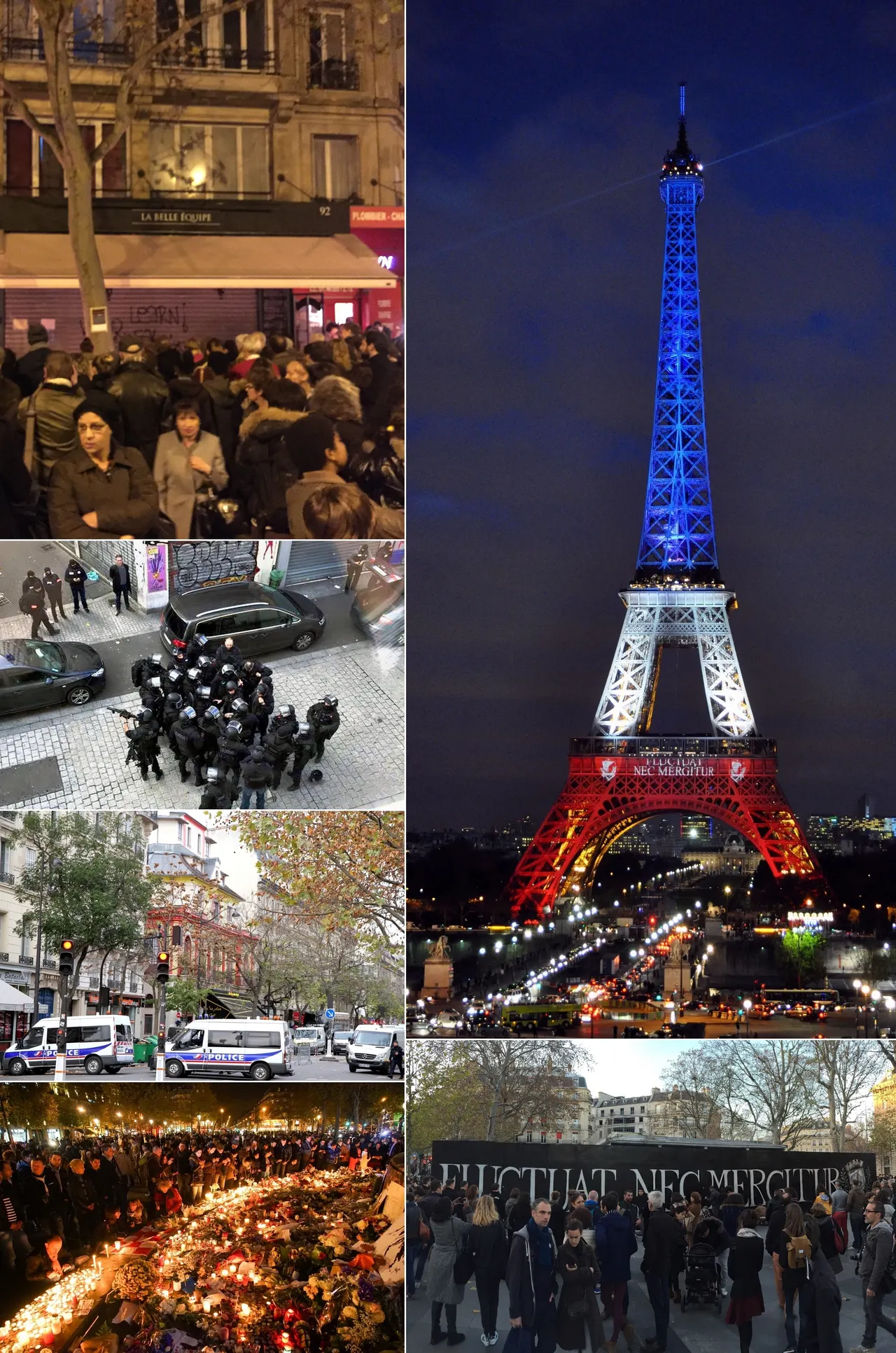
On November 13, 2015, a series of coordinated terrorist attacks by Islamic State operatives struck Paris and the suburb of Saint-Denis, resulting in the deaths of 130 people and injuries to hundreds more. This assault, involving suicide bombings, mass shootings, and a hostage crisis, stands as the deadliest terrorist attack in the history of France and the most lethal in the European Union since the 2004 Madrid train bombings. The attacks triggered a profound national crisis, leading President François Hollande to declare a state of emergency and cementing the events as a defining moment in modern European history.
How did the attackers coordinate their deadly mission?
The attacks began at 21:16 on a Friday evening, starting outside the Stade de France where an international football match between France and Germany was underway. Three suicide bombers arrived with the intent to enter the stadium, but after being turned away by security, they detonated their vests outside the venue. The explosions, heard during the live television broadcast of the match, created a periphery of chaos while the game inside continued at the request of President Hollande, who feared that stopping the match would trigger a deadly panic among the large crowd. Meanwhile, other groups of terrorists were simultaneously navigating the city to strike at civilian life.
Why were Parisian cafés and the Bataclan theatre targeted?
Following the stadium bombings, a group of attackers targeted crowded cafés and restaurants across Paris, firing indiscriminately into the terraces. The most devastating violence occurred at the Bataclan theatre, where 1,500 people had gathered for an Eagles of Death Metal concert. The gunmen turned the venue into a site of a brutal, hours-long hostage crisis. Of the 130 total victims of the night, 90 were killed within the walls of the Bataclan alone. The theatre had long been identified as a target by extremists, partly due to its historical ties to Jewish ownership and its perceived support for Israel.

The attacks resulted in 130 deaths, 416 physical injuries, and 457 cases of acute psychological trauma, marking them as the deadliest in France since the Second World War.
What was the motivation behind this act of war?
The Islamic State claimed responsibility for the carnage, explicitly labeling the assault as retaliation for French airstrikes on their targets in Syria and Iraq. President François Hollande characterized the coordinated violence as an act of war, revealing that while the operational cells were based in Belgium, the planning of the attacks had originated in Syria. Investigators discovered that many of the attackers were French or Belgian citizens who had traveled to fight in the Syrian civil war before returning to Europe, with some exploiting the influx of migrants and refugees to slip back into the continent undetected.
The aftermath of the attacks transformed France into a nation under siege. A three-month state of emergency was declared, granting police expanded powers to conduct warrantless searches and place individuals under house arrest. Public demonstrations were banned, and the government took measures to block websites inciting terrorism. The response from the French state was swift, culminating in a massive increase in the frequency and scale of airstrikes as part of Opération Chammal, which targeted Islamic State positions just two days after the massacre.

Five days after the horror, a major breakthrough occurred when French authorities located the suspected lead operative, Abdelhamid Abaaoud. He was killed alongside two other suspects during a fierce police raid in Saint-Denis. The search for accomplices continued for a significant period, highlighting the transnational nature of the cell, which had been coordinated in real-time from Brussels, Belgium.
Intelligence failures cast a long shadow over the tragedy. Reports indicated that security agencies in Turkey and Iraq had issued warnings regarding an imminent threat to France months before the attacks occurred. However, French officials maintained that such warnings were received with overwhelming frequency, making it impossible to distinguish credible, actionable intelligence from the constant stream of alerts they managed daily.

The trauma of that night left deep scars on the French psyche. Beyond the immediate death toll, the sheer number of people hospitalized for acute psychological trauma underscored the profound impact the night had on the city’s sense of security. As France moves forward, the memory of November 13 continues to serve as a stark reminder of the challenges posed by transnational terrorism and the vulnerability of open societies.
The suicide vests used by the attackers were constructed with acetone peroxide, an explosive notoriously difficult to stabilize.

During the standoff at the Stade de France, the German national football team spent the night on mattresses inside the stadium rather than risking a return to their hotel, which had been the subject of a bomb threat earlier that day.
Watch: How the November 13, 2015, Paris attacks unfolded, minute-by-minute
From the Le Monde in English channel.
Sources and further reading: Wikipedia — November 2015 Paris attacks, Islamic State, Paris, The Guardian (CC BY-SA). Images: Wikimedia Commons.