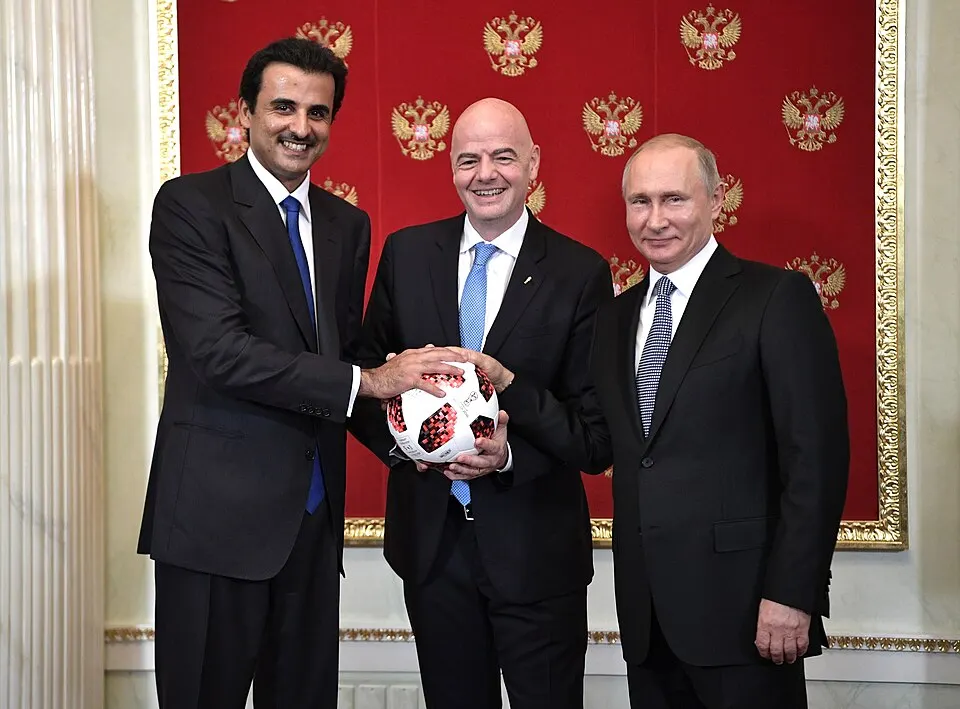
On November 20, 2022, the 22nd FIFA World Cup commenced in Qatar, representing a watershed moment in sporting history as the first time the tournament was hosted in the Middle East and the Arabian Peninsula. The decision to bring the world's most popular sporting event to Qatar, following the successful bid in 2010, fundamentally altered the traditional football calendar, shifting the competition from its usual summer slot to November and December to account for the nation's intense heat. The event remains significant not only for its unprecedented geographical shift but also for its status as the final 32-team tournament before an expansion to 48 nations in 2026.
Why was the tournament held in late autumn?
The 2022 FIFA World Cup was forced out of its traditional May, June, and July window by the environmental realities of the host nation. Qatar’s climate involves extreme heat and high humidity during the summer months, which posed a substantial risk to both the athletes and the spectators. To mitigate these conditions, organizers scheduled the tournament for November and December, creating a unique situation where major European domestic leagues were required to implement extended mid-season breaks to accommodate the international championship.
This shift transformed the rhythm of the global football season. Major European competitions were pushed to complete their group stages before the tournament began, ensuring that no domestic matches would clash with the event. This disruption, while logistically challenging for clubs and players alike, was presented as a necessity to ensure the health and safety of those participating in the 64 matches played across eight venues in five distinct cities.

How did the host nation prepare its infrastructure?
Qatar embarked on a massive infrastructural undertaking, with estimated costs reaching over $220 billion, though Qatari officials maintained the investment was closer to $8 billion when accounting for long-term national development. Eight stadiums were either newly built or extensively renovated to meet the tournament's specific requirements. These venues were designed to reflect Qatar’s culture and history while incorporating sophisticated cooling systems capable of reducing ambient temperatures within the stadiums by up to 20 °C.
The tournament organizers utilized a compact geographic footprint, which allowed for unprecedented flexibility in scheduling. Unlike previous iterations of the World Cup, where venues and kick-off times were set well in advance, the Qatar match schedule was finalized only after the draw, allowing officials to optimize stadium allocation for local spectator comfort and global television audiences. This high level of connectivity between the eight venues made the event, in many ways, the most accessible in modern history for those traveling to the host nation.

The 2022 FIFA World Cup set a record for the highest number of goals scored in the 32-team format, with a total of 172 goals, and every single participating nation scored at least one goal during the competition.
What legacy did the players leave on the pitch?
The tournament served as a historic capstone for Argentine captain Lionel Messi, whose leadership helped guide his team to their third World Cup title. In a final that captivated the world, Argentina defeated France 4–2 on penalties after a thrilling 3–3 draw following extra time. This victory fulfilled for many observers the final criterion needed for Messi to be cemented as the greatest player in the history of the sport. His performance, which earned him his second Golden Ball, encapsulated the narrative of the tournament as a theater for sporting excellence.
Beyond the triumph of Argentina, the tournament saw remarkable individual and collective milestones. Kylian Mbappé of France made history as the first player since 1966 to score a hat-trick in a World Cup final, securing the Golden Boot with eight total goals. Meanwhile, Morocco defied expectations by becoming the first African nation to reach the semi-finals of a World Cup, an achievement that resonated globally and expanded the reach of the sport's highest tier of competition.

The tournament also saw significant innovations in the rules of the game. For the first time in the history of the World Cup, officials permitted the use of a concussion substitute, a move designed to prioritize player welfare. This new protocol was put into action immediately when Iranian goalkeeper Alireza Beiranvand, suffering a head injury during his team’s opening match against England, was replaced by Hossein Hosseini, marking the first time a dedicated concussion substitute was used in the tournament's history.
Despite its sporting successes, the event faced intense scrutiny throughout its lead-up and duration. Critics raised significant concerns regarding the treatment of migrant workers, the protection of women and LGBTQ+ community members, and the overall transparency of the hosting process, including allegations of bribery and FIFA corruption. These controversies remained a persistent shadow over the tournament, ensuring that the 2022 World Cup would be remembered for its complexities as much as its athletic achievements.

With 172 goals scored in total, the tournament holds the record for the most goals in a 32-team World Cup.
This was the first time that any nation from outside Europe had won the World Cup since Brazil achieved the feat in 2002.
Qatar’s stadiums were marketed with sustainability in mind, featuring plans to disassemble upper tiers after the tournament to donate the materials to nations with less developed sports infrastructure.
Watch: Power Game: The Story Of Qatar 2022
From the Sky News channel.
Sources and further reading: Wikipedia — 2022 FIFA World Cup, Qatar, Middle East (CC BY-SA). Images: Wikimedia Commons.