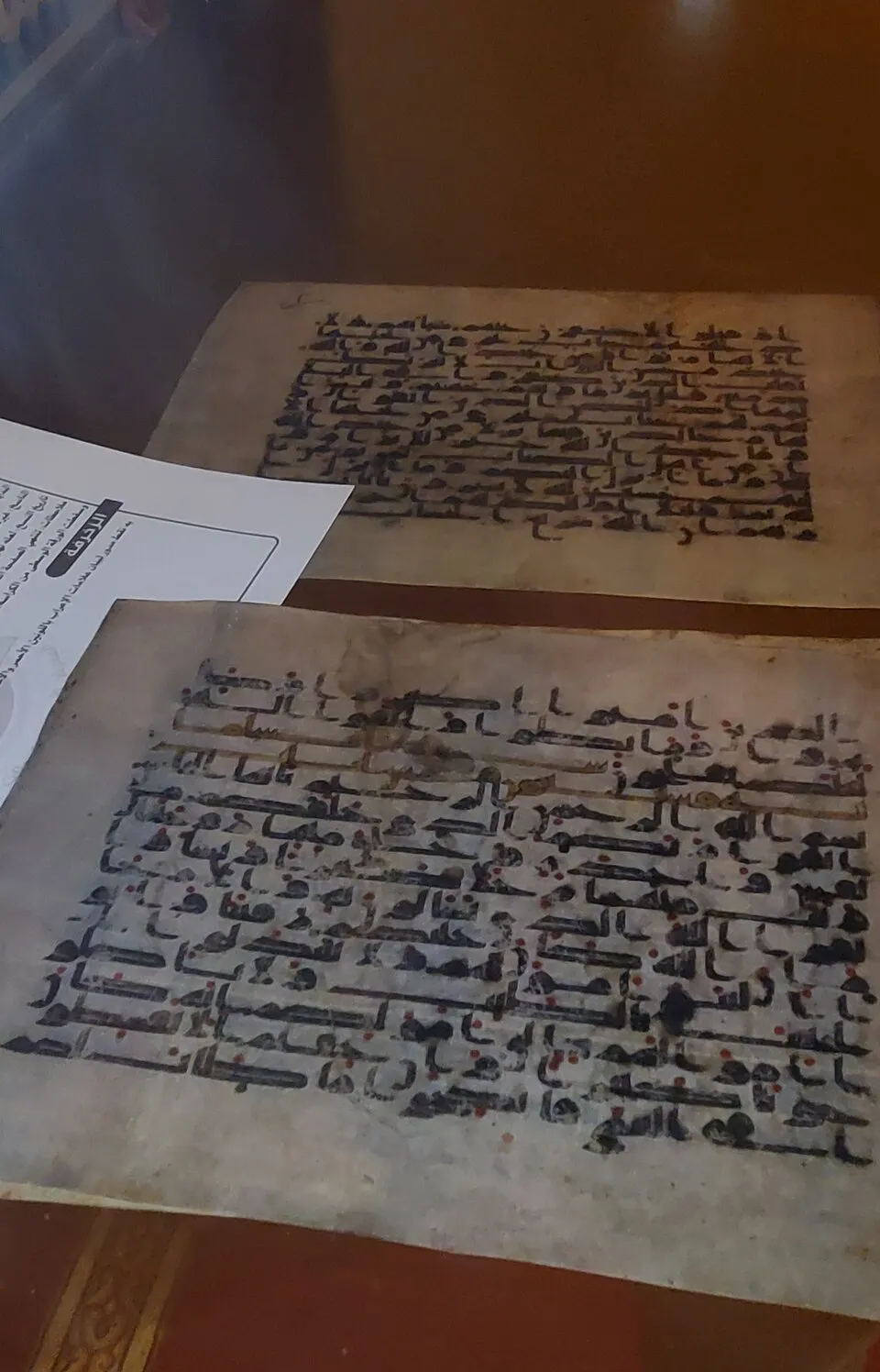
A team of researchers conducting ancient DNA analysis on the thousand-year-old York Gospels at York Minster in November 2026 has discovered genomic fragments of the sheeppox virus embedded within the parchment. This finding demonstrates that medieval manuscripts, traditionally studied for their text and illumination, also serve as biological archives for the history of animal diseases.1
The strength of this research lies in its broad evidentiary base rather than a single isolated sample. By synthesizing 21 ancient viral genomes from various periods, including the York Gospels, the team has successfully traced the sheeppox virus across a timeline spanning at least 3,500 years.1 This data allows historians and scientists to cross-reference historical accounts of plagues with direct genomic evidence from the archaeological record.
- How parchment manuscripts like the York Gospels become viable samples for viral history.
- How 21 ancient genomes extend the sheeppox timeline back to the Bronze Age.
- The role of ancient DNA in corroborating written historical records.
- Current technical limitations and remaining gaps in historical sampling.
How does parchment preserve ancient viral genomic traces?
Because parchment is made from processed animal hides, it contains not only the written word but also the biological signatures of the livestock from which it was produced. The research team employed strict ancient DNA protocols to distinguish these biological traces from modern contamination, verifying the age of the samples through specific DNA damage patterns. The sequences recovered from the York Gospels align with known lineages of the sheeppox virus, confirming the presence of the pathogen in the sheep used for the manuscript's production.1
This technical verification is essential in paleogenomics to ensure that modern environmental DNA is not mistaken for ancient data. The study utilized two primary safeguards: clean-room laboratory protocols and the analysis of chemical damage profiles unique to aged DNA. Because the parchment samples exhibited these characteristic degradation patterns, the researchers could confidently identify the viral signal as a historical remnant rather than a contemporary contaminant.1
What does the genomic data reveal about the timeline of sheeppox?
The sheeppox virus timeline has been significantly extended by this study, with the earliest ancient genomes in the dataset dating back to approximately 1700 BCE. While the York Gospels provide a medieval snapshot from England, other samples in the study reach across the Eurasian steppe, suggesting that the virus has impacted human communities and pastoral economies for millennia. Calculations by the team suggest that the divergence of viral lineages likely occurred between 11,500 and 3,700 years ago, a window that aligns with the historical migration and expansion of sheep populations.1
Notes and Sources
- Daly, K. G. et al. (2026). 3,500 years of sheeppox virus evolution inferred from archaeological and codicological genomes. bioRxiv preprint. DOI: 10.64898/2026.02.23.707469.
- ScienceDaily (November 6, 2026). "Scientists find deadly virus DNA hidden in 1,000-year-old manuscripts." sciencedaily.com.
- bioRxiv: Publication date and version info (Posted March 31, 2026). biorxiv.org.
- York Minster collection context: York Gospels digital catalogue page. yorkminster.org.