The United States has officially lost its measles-elimination status after 26 years, as the Pan American Health Organization (PAHO) determined that the virus has circulated continuously throughout the nation for more than 12 months. This public health reversal, confirmed on November 17, 2026, follows a dramatic surge in infections, with federal and state authorities documenting over 5,400 cases and 10 deaths during the current calendar year. The loss of this designation officially classifies the highly contagious, vaccine-preventable disease as endemic within the U.S. borders.
How extensive is the current measles outbreak?
The scale of the measles resurgence in 2026 represents a significant departure from the control levels achieved after the disease was declared eliminated in 2000. Data provided by the Centers for Disease Control and Prevention (CDC) indicates that the country has already experienced 5,412 confirmed cases this year, a figure more than double the total recorded during 2025. These infections have been reported across 47 jurisdictions, with states including Pennsylvania, Wisconsin, and New York accounting for the 10 total fatalities. The current caseload is 19 times higher than the 285 infections recorded in 2024 and marks the highest annual total since 1991. Additionally, health officials have identified 43 distinct outbreaks nationwide in 2026, nearly reaching the 48 outbreaks documented throughout the entirety of the previous year.
What are the causes of this public health decline?
Public health experts and international bodies have pointed to a combination of persistent vaccination gaps and a changing information environment as primary drivers of the outbreak. Nationwide, the MMR vaccination rate among kindergartners dropped to 92.4% for the 2025-2026 school year, falling below the 95% threshold required to maintain herd immunity and effectively interrupt viral transmission. According to an NBC News investigation, roughly 75% of counties with available immunization data are currently operating below this safety target. Dr. Jarbas Barbosa, director of PAHO, emphasized that the resurgence is not limited to the United States, noting that declining vaccination coverage has also led to the loss of elimination status in Mexico and Bolivia. Critics, including various medical associations and politicians, have specifically cited the influence of anti-vaccine rhetoric originating from high-level federal officials, including Health and Human Services Secretary Robert F. Kennedy Jr., as a contributing factor to the erosion of public trust in immunization programs.
"Losing a measles elimination status has broader implications than losing a public health designation. It means the virus has circulated for a prolonged period of time, putting families and communities at risk of a preventable illness, hospitalization and death." — Dr. Jarbas Barbosa, PAHO Director, via NBC News.
What background context is essential for understanding the virus?
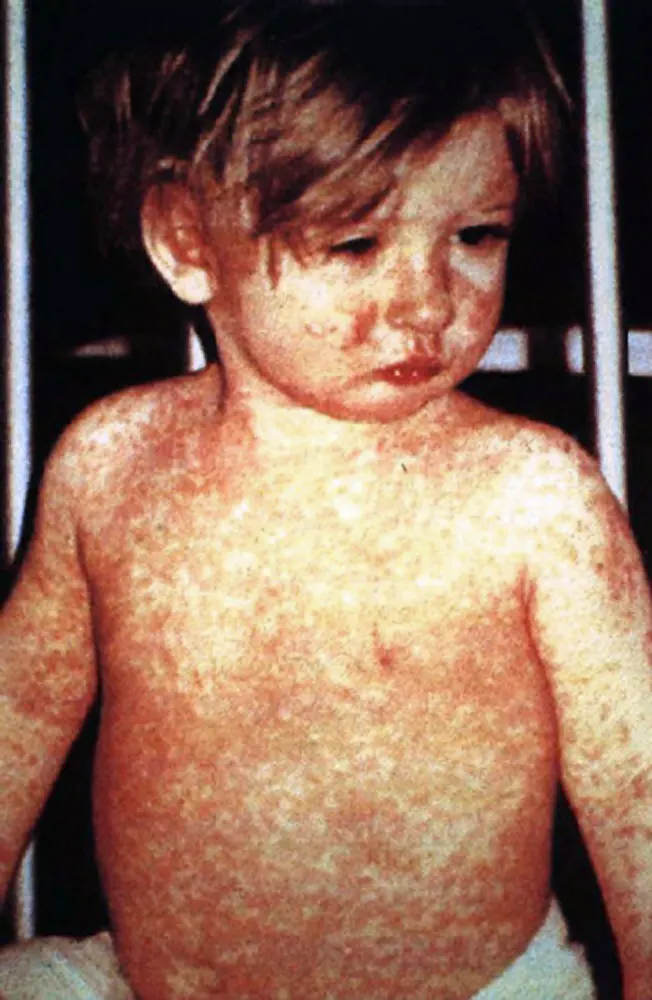
Measles is characterized as one of the most contagious viruses known to medical science, historically infecting millions of people annually before the development of vaccines in the 1960s. The illness typically presents with a high fever, cough, and a distinctive rash, but can lead to severe long-term complications such as pneumonia, encephalitis, and immune amnesia, a condition that impairs the body's future ability to combat other infections. From the point of achieving elimination status in 2000 until the onset of recent disruptions, the U.S. successfully maintained low case counts through rigorous surveillance and localized containment. The standard for elimination is based on genetic sequencing of the virus to ensure that cases are not the result of uninterrupted domestic circulation of a specific lineage for more than one year.
What happens next and what remains unclear?
While the U.S. government has expressed a formal commitment to reclaiming its measles-free status, the specific path forward involves complex regulatory and public health hurdles. PAHO officials have confirmed that nations losing this status are required to submit detailed corrective action plans, which must outline strategies for improving vaccination uptake and enhancing rapid-response capabilities at the state and local levels. However, discrepancies remain regarding the oversight of this process, particularly as critics highlight that HHS has shifted its methodology for tracking measles-related mortality by no longer accepting initial reports directly from state agencies. Furthermore, while experts broadly agree that the virus is now endemic, there is no consensus on the timeline for reversing the current trends, as government officials like Robert F. Kennedy Jr. have previously disputed the timing of the outbreak's origin and the impact of federal policy changes on vaccine hesitancy. The exact nature of the forthcoming corrective action plans from the federal government and the specific milestones required for reinstatement of the elimination designation have yet to be fully detailed by health authorities.
Sources: This report draws on coverage by TIME, The Guardian, BBC News, KFF, NBC News, Reuters, abcnews.com, CBS News. The wording is our own.