Archaeologists Discover 2,000-Year-Old Tomb Inside Ancient Theater in Bursa
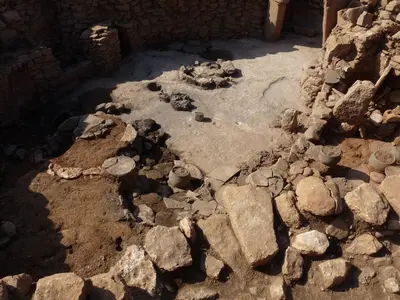
Archaeologists working at the theater of Apollonia ad Rhyndacum in Gölyazı, Bursa, have discovered a first-century tomb situated directly among the audience seating rows, rather than on the stage. The grave, located in the northern section of the lower seating area, contains evidence of cremation, prompting researchers to re-examine the city's funerary customs.

Key findings from the discovery
- The tomb's physical structure consists of a mud-brick cist covered by a roof-like arrangement of terracotta tiles.
- Despite limited skeletal data due to cremation, the burial location provides significant insight into the city's social hierarchy.
- The excavation of 42 seating rows confirms the theater's estimated capacity of 5,000 spectators and supports the distinction between lower and upper seating sections.
- Further analysis will involve comparative tomb studies and archive research, scheduled to begin following the close of the current field season in late November.
What does the physical structure of the tomb reveal?
The tomb at Apollonia ad Rhyndacum features a deliberate, planned construction rather than a simple burial pit. It is composed of a mud-brick sarcophagus, or cist, topped with baked-clay tiles angled like a gabled roof. The fact that the remains underwent cremation complicates biological analysis, as fragmented and charred bones make it difficult to determine the age, sex, or physical condition of the individual. Consequently, researchers are currently focusing less on the identity of the deceased and more on the cultural reasons behind such a high-status placement within a public venue.
Why is this specific burial location significant?
The discovery is noteworthy because the city already possessed a designated necropolis at its entrance. Placing a tomb within the theater seating—a space traditionally reserved for the living—raises complex questions about who was permitted visibility in the public sphere in Apollonia ad Rhyndacum. While the site has gained recent attention for its picturesque lakeside setting, the archaeological context of this grave warns against prioritizing visual aesthetics over historical analysis. As the team continues to process the data, the true importance of the find lies in the relationship between this anomalous burial and the broader urban plan of the city.
Notes and Sources
- Archaeology Magazine, "Tomb Unearthed at Theater Site in Northwestern Turkey", 30 October 2026.
- Türkiye Today, "Mystery tomb found among seats of ancient Turkish theater", 29 October 2026.
- Hürriyet Daily News (AA), "Tomb discovered among seating at ancient theater", 29 October 2026.
- Daily Sabah with AA, "Unusual tomb discovered at ancient theater in Türkiye", 29 October 2026.
- Wikipedia Commons: Uluabat_from_Sky.jpg and Apollonia_ad_Rhyndacum archives, accessed 1 November 2026.