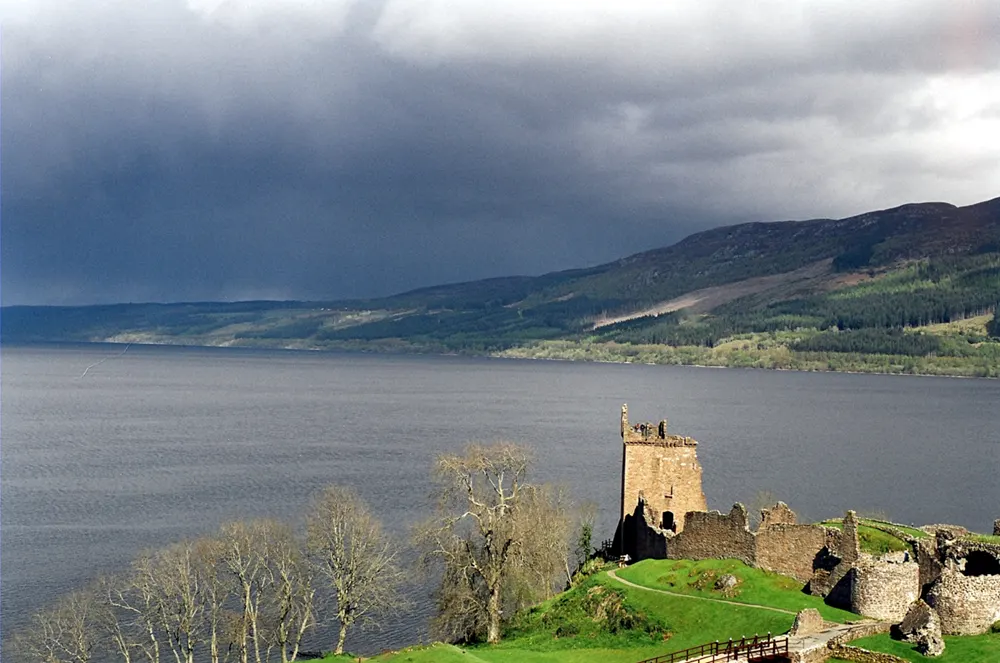
For the first time in five centuries, Eurasian beavers are building dams and shaping waterways in the Loch Ness catchment. Following a rigorous licensing process, wildlife management authorities and conservation partners have reintroduced a family of beavers to the Scottish Highlands, marking a pivotal step in regional rewilding efforts aimed at repairing degraded freshwater systems.
The Return of Ecosystem Engineers
Eurasian beavers were once widespread across the British Isles, but intense overhunting for their fur and castoreum reduced global populations to approximately 1,200 individuals by the early 20th century. While global numbers have since recovered to an estimated 1.5 million—earning the species a status of Least Concern on the IUCN Red List—the animal remained absent from the Loch Ness region for 500 years until this recent managed release.
Rewilding initiatives focus on restoring natural processes and reducing direct human management of ecosystems. By reintroducing keystone species, conservationists aim to reactivate ecological dynamics that have been dormant for centuries.
According to wildlife records and conservation authorities: The Eurasian beaver population was reduced to just eight relict populations across Eurasia before international restoration efforts enabled its return to historic ranges.
Nature-Based Flood Mitigation and Biodiversity Gains
The reintroduction of beavers to the waters feeding into Loch Ness provides a practical demonstration of nature-based solutions. As native landscape engineers, beavers construct wetlands that slow water flows, catch sediment, and regulate downstream hydrology.

Key ecological benefits documented in beaver-managed catchments include:
- Flood attenuation: Beaver dams slow the velocity of headwater streams, dampening peak flow events during heavy rainfall.
- Water quality improvement: Wetland basins act as natural filtration systems, capturing nutrient runoff and sediment before it reaches major lakes and rivers.
- Habitat creation: Saturated soils and standing deadwood created by beaver ponds foster ideal conditions for amphibians, aquatic invertebrates, native fish, and waterfowl.
Balancing Ecological Restoration with Land Management
While the ecological case for beaver reintroduction is well-supported, successfully integrating the species back into modern working landscapes requires careful local management. Beaver activity can alter local hydrology, sometimes causing localized flooding on agricultural land or timber plantations.
To address potential land-use conflicts, Scottish management frameworks emphasize proactive mitigation. Strategies include installing flow control devices—often called "beaver deceivers"—to regulate pond depths, fencing off vulnerable commercial forestry, and providing support to local land managers where dam-building overlaps with active infrastructure.

What Happens Next
Conservation teams will closely monitor the released beaver family to track their movement, territorial establishment, and impact on local hydrology within the Loch Ness catchment. The insights gathered will inform broader wildlife management strategies across Scotland as rewilding initiatives continue to expand throughout the Cairngorms and wider Highland regions.