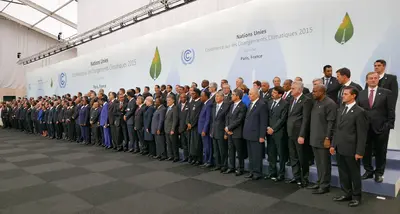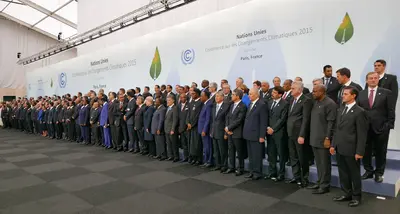
Global carbon dioxide emissions from fossil fuels and cement are projected to decrease unexpectedly in 2026, marking a potential milestone in the global energy transition. As delegates assemble at the Expo Center in Antalya, Turkey, for the COP31 climate negotiations, new scientific assessments reveal a modest downward dip driven by rapid clean energy expansion and severe disruptions in global oil markets.
However, researchers and lead authors of the comprehensive assessment presented alongside the conference caution that celebrating a permanent global turnaround is premature. While fossil fuel emissions may have plateaued or decreased slightly this year, total atmospheric CO2 concentrations continue to rise, underscoring the massive gap between temporary market fluctuations and long-term climate stability.
The Numbers Behind the 2026 Emission Dip
According to an analysis by Carbon Brief and reporting from researchers presenting at COP31, fossil-fuel CO2 emissions are set to fall by approximately 0.4% in 2026, bringing the annual fossil total to roughly 38.2 billion metric tons. A significant portion of this shift is tied to China, where carbon emissions have remained flat or fallen for more than two years as renewable energy deployment stunts demand for fossil fuels. China recently recorded its steepest quarterly drop in emissions since the height of the Covid pandemic.
“Had it not been for the war in Iran, carbon emissions from fossil fuels would have risen slightly this year.”
Experts from Science Media Centre España and other research organizations emphasize that geopolitics played an accidental role in this year's figures. The conflict involving Iran hit global oil supply and elevated fuel prices, which temporarily suppressed oil consumption while accelerating a regional and global push toward renewable alternatives. Without this conflict-driven disruption to oil markets, fossil fuel emissions likely would have continued their upward trajectory in 2026.
Market Shocks, Offshoring, and Structural Challenges
The temporary drop highlights the complex relationship between geopolitical conflict, energy security, and climate goals. While high oil prices and supply vulnerabilities accelerated clean tech adoption in several major economies, energy analysts warn that market-driven drops do not equate to managed decarbonization. Key structural hurdles remain across both major developed producers and developing economies:
- China's Renewable Surge: Unprecedented solar and wind capacity additions are actively squeezing out fossil fuel demand, demonstrating that clean energy can drive absolute emission reductions in heavy industrial economies.
- Exporter Risks: Analyses from Oil Change International warn that fossil fuel-producing countries face severe economic crises unless they plan for a structured transition beyond oil and gas production.
- Offshored Footprints: Disparities in accountability persist at international talks; for example, analysis from Global Witness indicates that COP co-host Australia 'offshores' more emissions through its fossil fuel exports than 44 low-income nations produce combined.
- Temporary Market Forces: As highlighted by researchers in Nature Climate Change and Ars Technica, market shocks create fragile drops that could reverse once energy supplies stabilize unless clean energy infrastructure accelerates further.
Solutions and the Road Ahead from COP31
To ensure 2026 marks the beginning of a sustained decline rather than a brief anomaly, international policy must shift from reactive crisis management to structural decarbonization. Former U.S. Climate Envoy John Kerry and delegates such as Brazil's Climate Secretary Ana Toni have highlighted new frameworks at COP31 aimed at setting clear roadmaps for transitioning away from fossil fuels globally.
Achieving permanent emission declines requires expanding low-carbon electricity, electrifying transport and heating, and reforming international climate finance. As COP31 negotiations continue through November 20, scientists stress that a further acceleration of clean energy is vital to move from temporary dips to the steep, sustained reductions needed to stabilize global temperatures.
Sources: This report draws on coverage by Carbon Brief, The Guardian Environment, Yale Environment 360, Time Magazine, Nature, Our World in Data, Ars Technica, Science Daily. The wording is our own.