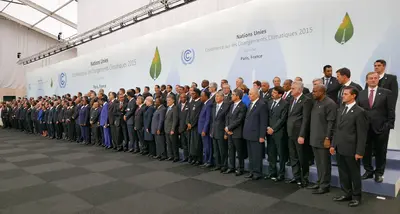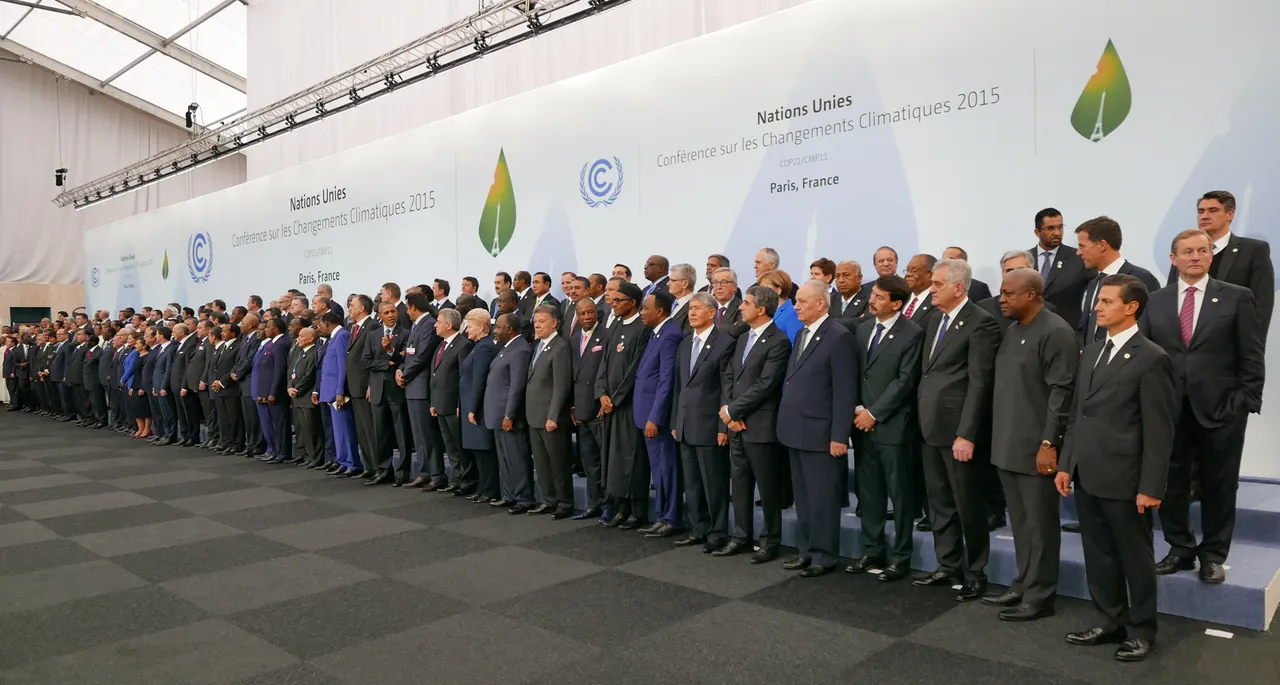
Delegates from more than 190 countries have gathered on Türkiye’s Mediterranean coast in Antalya for the opening of the COP31 UN climate conference, amid stark warnings from scientists and international bodies about the worsening state of the global climate system. The summit begins as new reports confirm that Earth is accumulating heat at an accelerating rate, entering what UN leadership described as a "new age of climate extremes."
The high-stakes negotiations open against a backdrop of intensifying real-world impacts. World leaders and representatives are confronting a year marked by unprecedented heatwaves and droughts, alongside data showing that global heating—driven by human activities including fossil fuel burning and supercharged by a powerful El Niño—is driving global temperatures toward historic highs.
Accelerating Heat Accumulation and Off-the-Chart Records
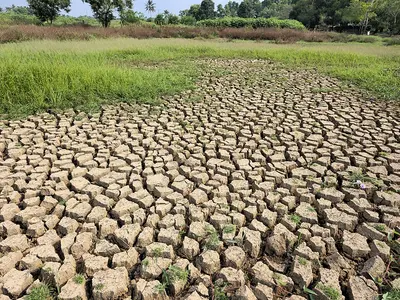
Data presented at the conference highlights an accelerating trend in atmospheric and oceanic warming. In its State of the Climate update issued for COP31, the World Meteorological Organization (WMO) warned that indicators measuring the state of the climate in 2026 give new meaning to the phrase "off the charts." Scientists and the UN agency project that 2026 is on track to be among the four warmest years on record, with several predictions suggesting it could ultimately become the single hottest year ever recorded.
According to UN reports and climate tracking released at the summit, the underlying engine of this heating remains the accumulation of greenhouse gases in the atmosphere, which trap radiated heat and continuously warm the lower atmosphere.

In April this year, roughly 146.5 million Indians were exposed to an extreme heatwave with temperatures hitting a sweltering 47℃.
Real-World Impacts: Heatwaves, Droughts, and Human Toll
The concrete impacts of this rising heat are being felt across both developing and developed nations. The extreme weather events of 2026 follow documented historical trends in heat mortality, including WHO-partnered reports noting record heat-related deaths in recent years.
Delegations arriving in Antalya bring direct experience of these climate extremes:

- South Asia: Massive heatwaves exposed tens of millions of people to life-threatening conditions early in the year, severe enough to strain infrastructure and public health systems.
- Europe: Nations such as the UK are attending COP31 after enduring record-breaking heatwaves and drought conditions throughout the preceding seasons.
- Global Tropics and Subtropics: The ongoing El Niño phase has amplified sea surface temperatures in the tropical Pacific Ocean, altering global weather patterns and worsening extreme events across multiple continents.
From Grand Declarations to Concrete Decisions
As negotiations commence in Antalya, host country officials and international leadership have stressed that the focus of COP31 must shift toward tangible outcomes. The summit host noted that the climate talks must deliver progress that ordinary people can see is real, urging participating governments to translate long-standing climate pledges into direct action.
The conference ambition centers on moving past general statements to focus on practical implementation, despite political shifts such as the absence of the United States delegation following a bitter dispute over hosting arrangements leading up to the event. UN officials stressed that with exceptional extreme temperatures expected to persist into next year, the consensus-based mechanism of the UNFCCC must prioritize decisions that accelerate mitigation, protect vulnerable populations, and build resilience against escalating climate extremes.