When Evliya Çelebi arrived in a city, he did not merely inventory its minarets, fortresses, or caravanserais. He counted the food. His massive, ten-volume Seyahatname stands as one of the most exhaustive culinary inventories of the Ottoman world, as Evliya treated eating as an essential act of observation. His writings capture the flavors of white loaves, tandoor-baked meats, sesame halva, chilled boza, and vibrant sherbets that defined the 17th-century landscape.
Why is the Seyahatname considered a culinary archive if it lacks recipes?
Evliya Çelebi did not write a cookbook, and precise measurements or cooking times are virtually absent from his work. Instead, his language is one of high praise, describing dishes as being "like a rose" or noting that those who consume them "become filled with light." As noted by researcher Marianna Yerasimos, the Seyahatname contains hundreds of entries spanning sweets, beverages, fats, and spices, forming a systematic map of the palate. This map is as significant for what it omits as for what it includes; tomatoes and peppers had not yet taken center stage, and refined sugar was rare, with honey and molasses serving as the primary sweeteners. While the lamb-centric nature of the diet feels familiar, this 17th-century world was a precursor, not a direct reflection, of modern culinary standards.
What defined the culinary identity of 17th-century Bursa?
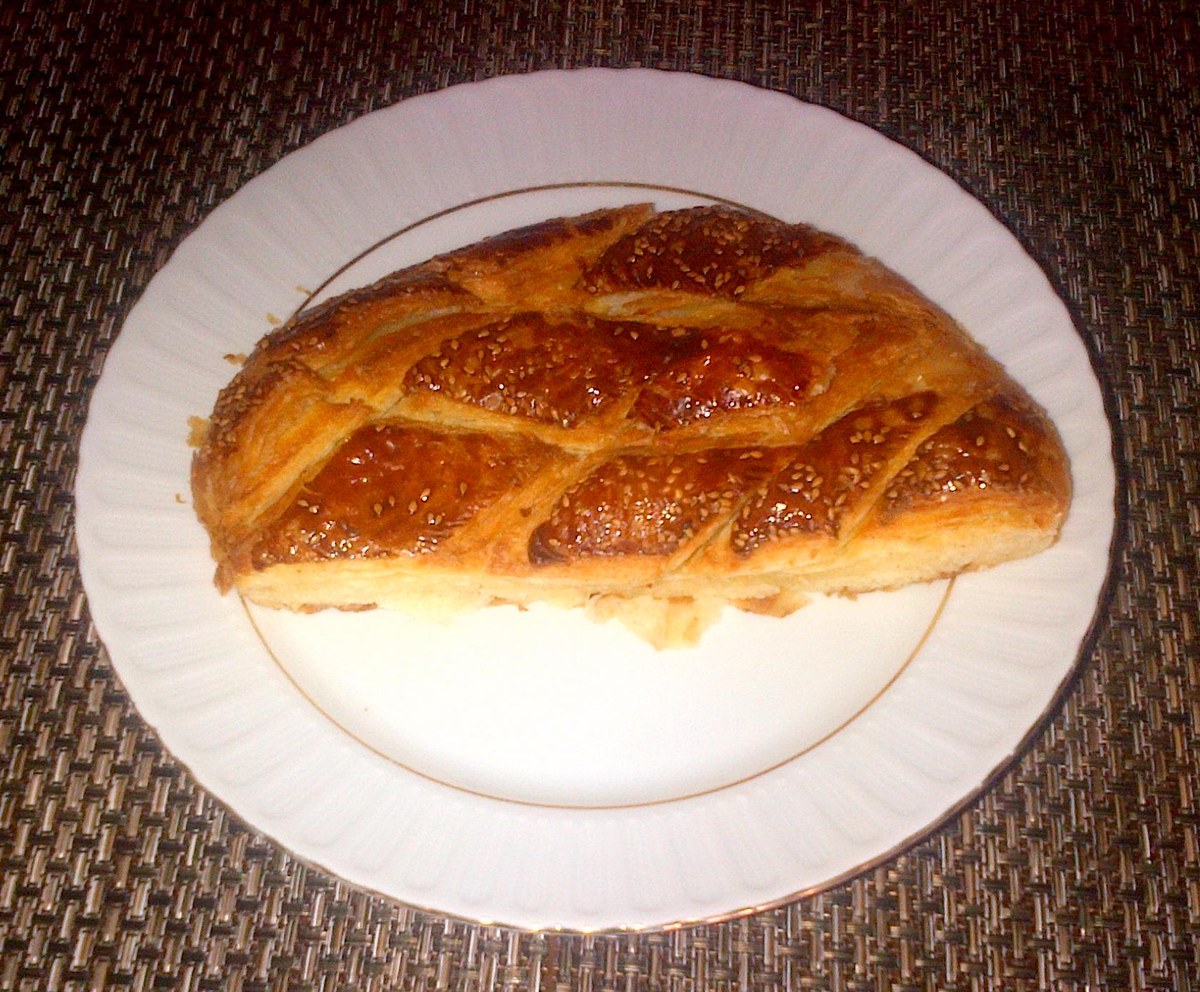
Evliya’s 1640 journey to Bursa highlights a city obsessed with craftsmanship, beginning with its "has" white bread and the rose-like quality of its katmer. Specialty doughs such as kahi and kirde kebab were staples, with the latter relying on high-quality lamb sourced from the slopes of Mount Keşiş. Central to the Bursa experience were its ninety-seven boza houses. Evliya describes how, during summer, the fermented grain drink was cooled on ice stored in cellars, turning it a pale, refreshing hue. These venues were not mere shops but cultural theaters featuring music and elaborate service, complemented by the city’s renowned water sources, sherbets, and prized local produce like chestnuts and stone fruits.
How is the Trabzon hamsi pilaki described in the Seyahatname?
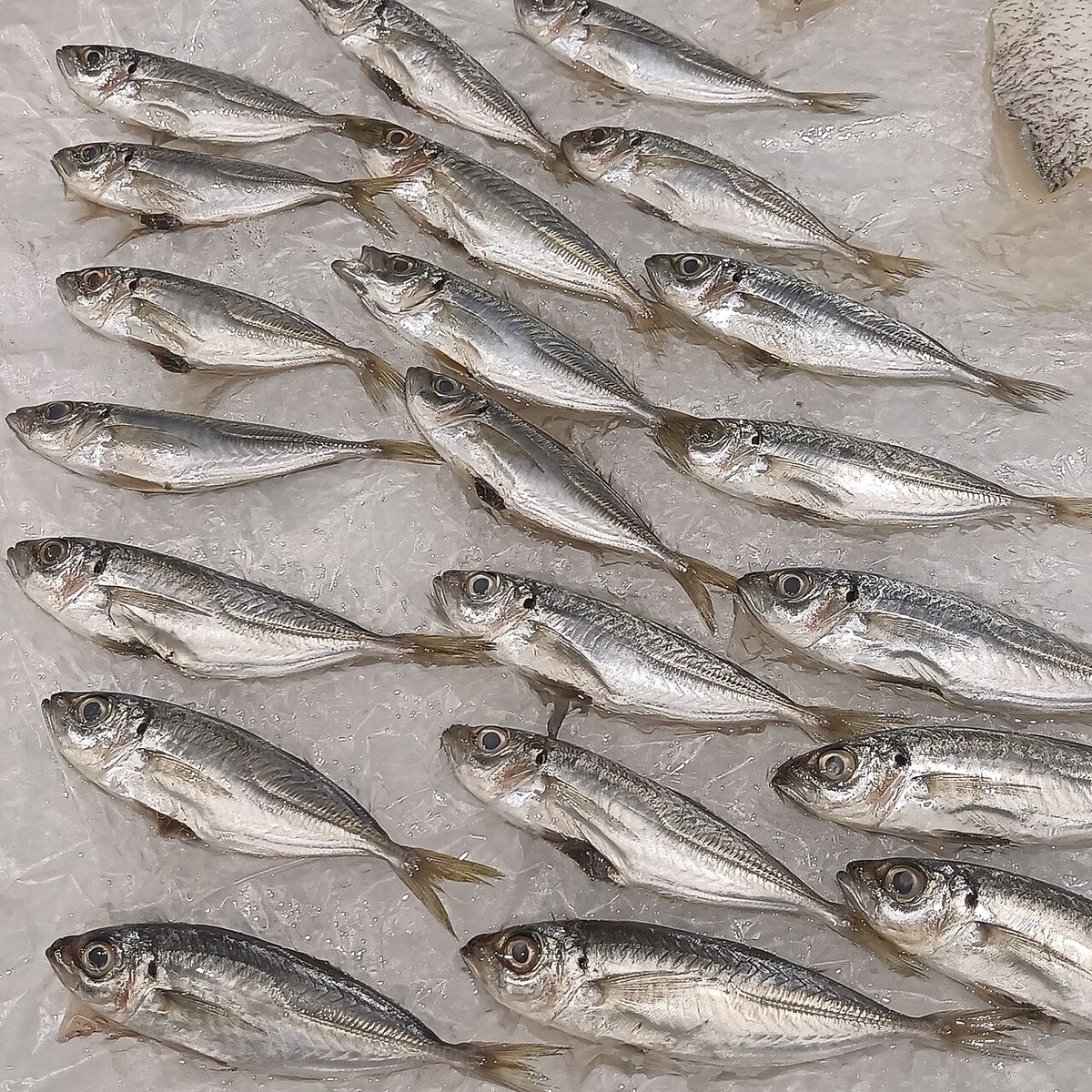
In his ten-volume work, the only dish for which Evliya provides a step-by-step preparation is the Trabzon hamsi pilaki. He details how the anchovies should be cleaned, arranged on a reed, and layered with finely chopped parsley, celery, onions, and leeks. Seasoned with cinnamon and black pepper and drizzled with olive oil, the dish was cooked over medium heat for an hour. This recipe stands out for its Mediterranean lightness, moving away from the heavy meat-and-fat focus of the classic Ottoman court, with cinnamon serving as the only exotic touch. Evliya’s deep fascination with the hamsi, including the local folklore surrounding the fish, reveals how deeply these regional delicacies were tied to local identity.
What legacy did Evliya’s culinary map leave for modern cuisine?
While the contemporary table features ingredients like tomatoes and peppers that appeared long after Evliya's time, the names and habits he recorded—katmer, kebab, boza, sherbet, coffee, and halva—remain pillars of the regional diet. His records in cities like Konya, where he lauded the local wheat varieties, honeyed pastries, and tahini halva, mirror the pride still associated with those regions today. Though a historian must interpret his hyperbolic figures and subjective praise with caution, the Seyahatname remains the most authentic witness to the 17th-century Anatolian table, documenting a culture that viewed its bread, beverages, and sweets as badges of honor.
Evliya Çelebi documented Anatolia not only through its fortresses, but through its loaves and beverages. Summary of the article
Notes and Sources
- Evliyâ Çelebi, Seyahatname (Modern Turkish edition, YKY): Narratives on food, beverages, and city culture, specifically volume II regarding the Bursa-Trabzon route. ↩
- Marianna Yerasimos, Evliyâ Çelebi Seyahatnâmesi'nde Yemek Kültürü (YKY): A systematic index of culinary items, including sweets, drinks, and spices. Review in Anatolia: Turizm Araştırmaları Dergisi 33/2 (2022). ↩
- Descriptions of Bursa and Konya: Seyahatname volume II (1640 Bursa journey and Konya/Meram sections). ↩
- Trabzon hamsi pilaki recipe: Seyahatname volume II, Tarabefzûn section; Yerasimos’s analysis of the text as the only detailed recipe. ↩