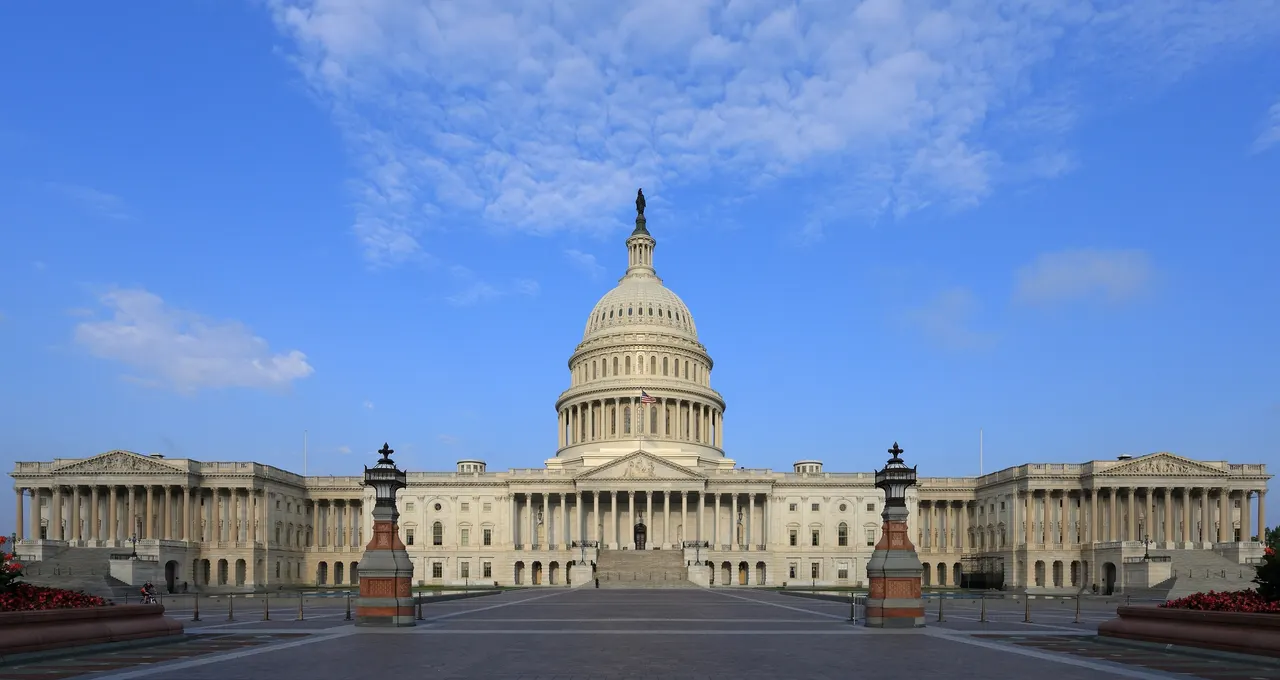
House Republican leadership is navigating an intense period of political instability as members return to Washington following a sweeping electoral defeat that will leave the party in the minority when the 120th Congress convenes on January 3, 2027. Following the loss of their majority in both the House and Senate, Republican lawmakers are initiating contested leadership elections and bracing for a tumultuous lame-duck session. The party’s decline, which some members attribute to the economic fallout of the conflict in Iran and dissatisfaction with leadership, has prompted an aggressive push for internal accountability and a strategic pivot in preparation for their new roles as the opposition.
What are the primary leadership contests within the House?
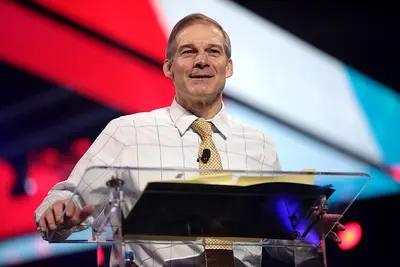
The House Republican Conference is preparing for high-stakes leadership elections, most notably the race for minority leader. Rep. Steve Scalise of Louisiana and Rep. Jim Jordan of Ohio have emerged as the primary rivals for the top post. Scalise, who has served in the top four ranks of leadership for over a decade, is emphasizing his experience and history of member outreach to navigate the transition to the minority. In contrast, Jordan is positioning himself as an aggressive outsider prepared to challenge Democratic oversight and lead investigations into the incoming administration. Additionally, Rep. Tom Emmer, the current House Majority Whip, faces a competitive challenge from Rep. August Pfluger of Texas. Emmer’s position has been complicated by the failure of numerous candidates supported by his fundraising efforts, despite his reporting $52 million raised in the cycle and $22 million directed to party candidates. These leadership selections are critical, as the chosen individuals will function as the primary spokespersons and strategists for the party during the next two years of President Donald Trump’s term.
How is the Senate responding to the election results?
The Senate Republican conference is experiencing similar internal friction, with several members pushing to delay leadership elections to allow for a formal postmortem of the midterm losses. Led by Sen. Ron Johnson of Wisconsin, a group of senators, including Mike Lee of Utah, Rick Scott of Florida, Ted Budd of North Carolina, and John Kennedy of Louisiana, formally requested that leadership votes be postponed. They argue that rushing into elections before the final composition of the chamber is settled—with two races still unresolved—prevents necessary reflection on the party’s platform. Despite these calls for a pause, Senate Majority Leader John Thune has indicated his intent to proceed with the elections as scheduled. This restlessness reflects broader concerns among lawmakers, including Sen. Dave McCormick of Pennsylvania, who has publicly stated that the party must urgently discuss how to realign with the concerns of the American public following the "stunning losses" of the previous week.

"This country sent a clear message from coast to coast, and that message is they've had enough of what's gone on," said Rep.-elect Daniel Biss, D-Ill. (PBS)
What legislative priorities exist for the lame-duck session?
The House and Senate are currently operating under a compressed six-week window to finalize the Republican legislative agenda before the transfer of power. Beyond internal leadership elections, a significant point of tension involves a resolution pushed by Rep. Thomas Massie to impeach Defense Secretary Pete Hegseth. The move follows widespread criticism within the GOP regarding the handling of the Iran conflict, which many members believe contributed significantly to the party's electoral decline. While Speaker Mike Johnson previously blocked a vote on this measure by adjourning the chamber early in September, proponents are now renewing the push for accountability. This potential impeachment remains a flashpoint that complicates the party’s desire to maintain a united front before the Democrats assume control of the legislative agenda in January.
What is still unclear regarding the transition of power?
The precise timeline and outcome of the Republican leadership elections remain subject to change, as senators continue to debate whether to proceed with the scheduled votes or grant the request to delay until a comprehensive review of election results is completed. It is also unclear how the rift between party members who demand a strategic overhaul and those who favor existing leadership will impact the internal secret ballot processes. Furthermore, while the House is moving toward an impeachment resolution for Secretary Hegseth, the actual floor schedule and the degree of support within the remaining Republican caucus have not been fully established. Although President Trump has weighed in on the performance of Senate leadership, stating that he is uncertain about the status of their elections, he has refrained from endorsing specific candidates for the minority leader positions, leaving the final direction of both chambers uncertain as the new Congress approaches.

Sources: This report draws on coverage by PBS, MinnPost, New York Post, Deseret News, Al Jazeera, Politico, CBS News, South Dakota Searchlight. The wording is our own.