Deep within the human genome lies a silent archive of prehistoric encounters. Long before modern humans walked the Earth, our distant primate ancestors fell ill to ancient viruses that breached their cellular defenses. Rather than simply causing fleeting infections, some of these microscopic invaders managed to copy their genetic sequence directly into the DNA of their hosts' germ cells. Millions of years later, scientists are discovering that one such primordial infection may have helped forge the very biological architecture that separates the human brain from our closest living relatives.
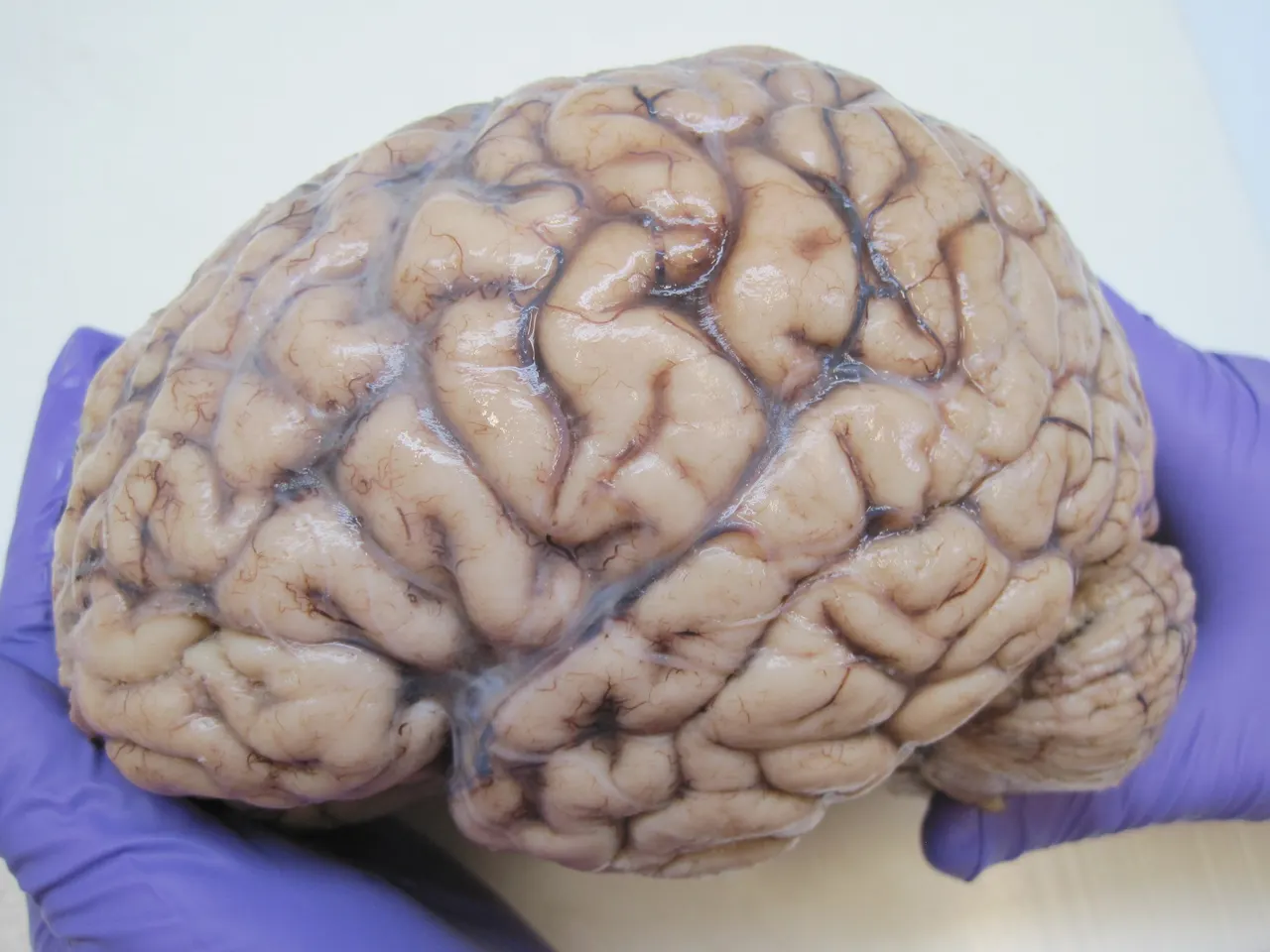
The human brain is the central organ of our nervous system, an intricate network comprising the cerebrum, brainstem, and cerebellum that integrates sensory information and coordinates instructions for the entire body. Yet, despite sharing nearly identical genetic coding with chimpanzees, humans developed a vastly different, larger, and more complex brain. For decades, evolutionary biologists have searched for the genetic switches that drove this divergence. Now, breakthrough findings point toward an unlikely architect: an endogenous retrovirus.
A Genomic Hijacking Millions of Years in the Making
Endogenous retroviruses are ancient viral elements embedded within host genomes, passed down through generations over millions of years. Far from being mere biological debris, these sequences comprise up to 5 to 8 percent of the human genome. Researchers reported that an ancient viral sequence acted as a crucial evolutionary mechanism, fundamentally altering how neural development genes are regulated in humans compared to other primates.
According to research led by scientists at Lund University in Sweden, this historic viral integration created a genetic switch that silences a key brain development gene in chimpanzees, while allowing the same gene to remain active during human brain development. This differential activity provided a distinct pathway for how neural tissue matures, helping to explain the profound structural differences between human and chimpanzee brains.
Endogenous retroviruses comprise up to 5 to 8 percent of the human genome, acting as ancient viral elements embedded deep within host DNA over millions of years.
Tracing the Footprints of an Ancient Microbe
To uncover this ancient mechanism, the study traced genetic differences and viral remnants hidden within primate genomes. By examining the activity of neural development genes, the Swedish team identified how specific viral insertions alter the surrounding genetic landscape, controlling whether neighboring genes are turned on or off during critical stages of development.

The findings illustrate that viruses are not merely pathogens that disrupt life; they can also serve as powerful drivers of evolutionary innovation. When an ancient retrovirus incorporated itself into the ancestral primate line millions of years ago, it inadvertently offered a tool for genetic rewiring. While the virus silenced specific developmental genes in the chimp lineage, human ancestors retained active gene expression, paving the way for the progressive complexity and size observed in the human brain today.
Redefining Human Origins and Future Neuroscience
This discovery fundamentally changes our understanding of the evolution of the brain—the progressive development of neural structures over millions of years that produced the diverse range of brain sizes and functions across species. It suggests that some of humanity's most uniquely defining traits were not built entirely from scratch through gradual mutations of host genes alone, but were accelerated by genetic material borrowed from ancient viral invaders.
As scientists continue to decode the non-coding regions of our DNA, these early findings open new doors for both evolutionary biology and neurodevelopmental research. Understanding how ancient viral switches regulate human brain development could eventually provide deeper insights into modern neurodevelopmental conditions, shedding light on the fragile genetic balances that keep our complex minds functioning.
Sources: This report draws on coverage by ScienceDaily, SciTechDaily, ThePrint, Neuroscience News, Science Daily, ZME Science, Britannica, Inkorr. The wording is our own.