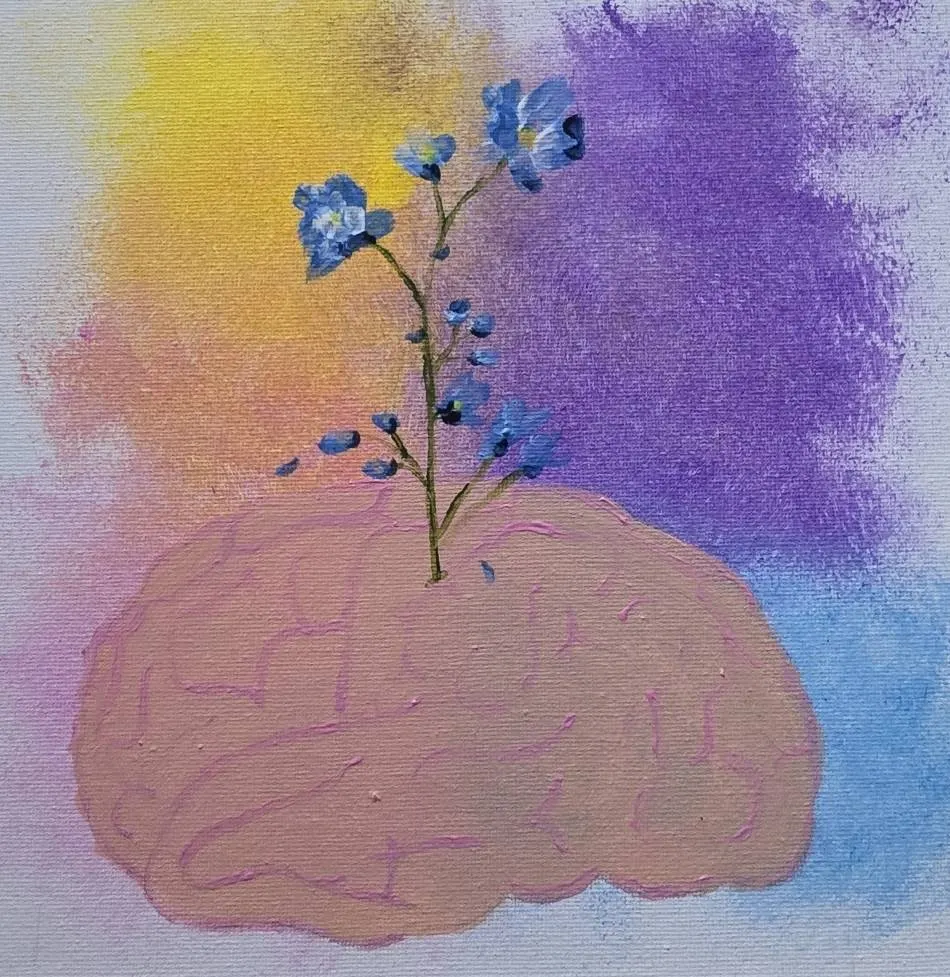
The Science of Rewiring: How Psilocybin Interacts with the Brain
The human brain is remarkably dynamic, capable of reorganizing and strengthening neural pathways throughout adulthood—a process known as neuroplasticity. Recent research into psilocybin, the active compound in “magic mushrooms,” suggests it may act as a potent catalyst for this change. Studies have found that psilocybin doesn't just change a person’s subjective experience; it actively encourages the growth and reorganization of neural connections, potentially restoring lost synapses in brains affected by depression.
This is a significant shift in how we understand mental health. Traditionally, many psychiatric disorders have been viewed through the lens of static chemical imbalances. However, newer research highlights a common brain pattern across various diagnoses, suggesting that disrupted neural communication is a core component. By fostering new, robust connections, researchers at UC Santa Cruz and other institutions are investigating whether psilocybin can help the brain “relearn” healthier patterns of communication.
The most compelling evidence suggests that the neuroplastic benefits of psilocybin—the actual strengthening and growth of synapses—can occur through a biological pathway entirely separate from the hallucinogenic "trip," offering a potential path for clinical treatments without the accompanying intense sensory alterations.
Public interest in brain health is at an all-time high; for perspective, popular interest in how lifestyle shifts like meditation impact the brain is evident in the fact that a single documentary clip on the topic has reached over 7.3 million views. While meditation is a long-practiced tool for neuroplasticity, psilocybin is being studied as a potentially more rapid, pharmacologically-driven intervention.
What This Means for Therapeutic Research
It is important to note that most of this research remains in the clinical trial or preclinical phase. While the findings are promising, they do not constitute a “cure-all.” Experts caution that individual factors, including age, play a significant role in how the brain responds to psychedelics. Research reported by the BBC and Durham University emphasizes that age-related changes in the brain mean the therapeutic window for such treatments may vary significantly between individuals. Currently, psychedelic therapy remains a strictly controlled practice, generally unavailable outside of approved clinical settings.
Myth-Buster: Distinguishing The Experience From The Mechanism
The Myth: Many assume that the intense psychological “trip” is the essential mechanism behind the therapeutic benefits of psilocybin.

The Reality: Recent studies involving mouse models suggest that the brain-rewiring effects of psilocybin can be chemically separated from its psychoactive, hallucinogenic properties. Scientists have successfully isolated pathways that trigger synaptic growth without the corresponding shift in sensory perception. This suggests that the “mystical experience” reported by users may be an side effect, rather than a requirement, for the physiological healing of neural circuits.
Moving Forward: Understanding the Evidence
For those interested in how these breakthroughs might change mental health care, here are three points to keep in mind:
- Neuroplasticity is a bridge, not a destination: Psilocybin’s ability to create new connections provides an opportunity for the brain to reorganize, but these changes typically need to be supported by ongoing therapy or behavioral change to become permanent.
- Context and environment remain paramount: Even in research, the “set and setting”—the environment and the patient's mindset—are considered vital to how the brain integrates these new connections.
- Safety is the priority: Because these substances significantly alter neural activity, they are currently only safe and effective when administered under the supervision of specialized medical professionals.
While the data is encouraging, the field is still in its infancy regarding long-term human outcomes. As with any significant shift in medical science, it is essential that individuals with specific mental health concerns consult with a qualified healthcare professional to understand the current evidence-based options available to them.