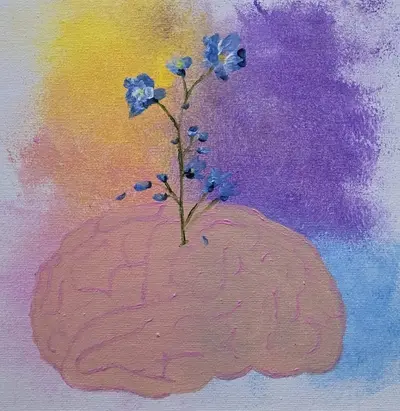
Understanding Emotional Granularity
In our daily lives, we often categorize our internal states into broad, sweeping buckets. We feel either 'good' or 'bad,' 'stressed' or 'calm.' However, psychological research suggests that our ability to construct our emotions with greater specificity—a concept known as emotional granularity—is a significant predictor of how well we handle life's inevitable challenges. Similar to how an expert distinguishes between subtle shades of a single color, individuals with high emotional granularity can identify distinct states such as 'frustration,' 'disappointment,' or 'apprehension' rather than defaulting to a vague sense of 'upset.'
The evidence, as explored in publications like The Guardian, suggests that these uncomfortable feelings are not merely states to be suppressed but are valuable data points. When we label emotions precisely, we transition from being victims of our mood to investigators of our own experience.
Research indicates that psychological flexibility acts as a critical mediator between experiencing life stressors and maintaining positive mental health outcomes.
How to Build Emotional Granularity
Developing this skill is not about 'hacking' your emotions; it is a form of mental work that builds resilience over time. Here are three evidence-based steps to cultivate this practice.
1. Expand Your Emotional Vocabulary
The first step toward granularity is giving yourself the language to describe what you feel. When you find yourself in a difficult moment, move beyond binary labels. Instead of saying you are 'stressed,' ask if you are actually feeling 'overwhelmed,' 'pressured,' or perhaps 'conflicted.' Maintaining a list of emotion words can help you identify the nuance in your physical sensations, allowing you to regulate them more effectively.

2. Practice 'Witnessing' Your Reactions
Drawing on frameworks like the witnessing consciousness model, try to observe your emotional spikes as external events rather than intrinsic parts of your identity. By pausing before you react, you create a buffer that allows for 'pendular regulation'—the ability to swing between intense emotion and a stable, observant state. This flexibility is what enables us to respond to stressors in creative, adaptive ways rather than reactive ones.
3. Monitor Your Biological Baseline
Emotional regulation is not purely cognitive; it is physiological. Research suggests that basic habits, such as ensuring your body is fueled, can serve as a foundation for mental stability. Paying attention to how your physical state influences your emotional range—and adjusting your daily routines accordingly—is a practical way to manage the load on your nervous system.
Myth-Buster: Is Emotional Control About Suppression?
A common misconception is that regulating emotions means forcing ourselves to feel 'positive' or suppressing 'negative' emotions entirely. This belief often stems from the pressure to remain productive or composed at all costs. However, current research suggests that attempting to suppress feelings often leads to increased internal conflict. True regulation, or 'psychological flexibility,' is not about choosing which emotions to have; it is about having the capacity to experience a wide range of emotions and choosing how to respond to them in a way that aligns with your values. Evidence suggests that those who integrate their emotions rather than pushing them away often report higher levels of long-term well-being.

As you explore these strategies, keep in mind that building these habits takes patience and consistent effort. If you find that your emotional responses are consistently interfering with your quality of life, please consult a healthcare professional to discuss your specific concerns.