The 2024 Lancet Commission report officially identifies physical inactivity as a critical modifiable risk factor for dementia, suggesting that lifestyle interventions can produce measurable improvements in memory and attention circuits. While exercise is not a singular cure for cognitive decline, evidence indicates it influences biological pathways including insulin resistance, vascular health, inflammation, and stress response.
- Active living is a modifiable factor that reduces dementia risk, though its impact is cumulative rather than a singular miracle cure.
- Regular aerobic exercise has been linked to a significant increase in hippocampal volume within one year, correlating with improved spatial memory.
- In cases of Mild Cognitive Impairment, exercise most strongly benefits attention, planning, and processing speed—factors essential for daily independence.
- Neuropsychological targets for sustainability include 150 minutes of moderate activity per week plus two days of strength training.
How does exercise affect the anatomy of human memory?
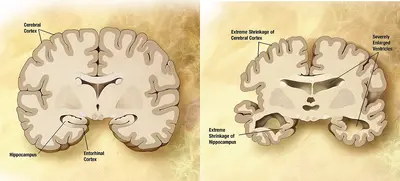
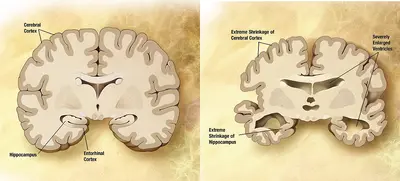
Physical activity impacts the anatomy of memory by targeting the hippocampus, the brain region responsible for encoding new information and spatial navigation. A landmark 2011 randomized controlled trial involving sedentary adults aged 55 to 80 found that moderate aerobic walking led to an average hippocampal volume increase of 2.12 percent over one year. In contrast, the control group, which engaged only in stretching and toning, saw a volume decrease of 1.40 percent. This structural growth was directly reflected in superior spatial memory performance among the aerobic group.
These findings suggest that while the biological clock of aging cannot be entirely stopped, the rate of cognitive loss can be slowed. By increasing the compensatory capacity of specific neural networks, exercise offers a way to push back against the typical shrinkage and functional narrowing associated with the dementia process.
What cognitive improvements are visible in patients with Mild Cognitive Impairment?
In patients with Mild Cognitive Impairment (MCI), exercise interventions produce the most significant improvements in executive function, attention, and processing speed. According to a 2022 Cochrane review, physical activity generates small-to-moderate effect sizes in these specific cognitive domains. This is critical because executive functions—such as planning, sequencing, and multi-tasking—are often more decisive for a patient's independence than simple memory recall.
Maintaining these networks allows individuals to manage complex daily tasks, such as paying bills on time, managing medication schedules, and recognizing errors in real-time. However, recent large-scale trials emphasize that results vary based on intensity, duration, and the patient’s baseline metabolic health. The effectiveness of the intervention depends heavily on the specific "dosage" and the sustainability of the exercise routine over the long term.
What is the recommended sustainable dose for neuropsychological health?
The World Health Organization recommends a minimum of 150 minutes of moderate-intensity aerobic activity per week, supplemented by at least two days of muscle-strengthening exercises, to maintain cognitive health in older adults. For those at risk of dementia, this threshold serves as a neuropsychological baseline. Short-term bursts of high-intensity activity followed by inactivity do not provide the same benefits, as neural network adaptation requires consistent, repeated stimuli over time.
Notes and Sources
- Livingston, G. et al. (2024). Dementia prevention, intervention, and care: 2024 report of the Lancet standing Commission. The Lancet.
- Erickson, K. I. et al. (2011). Exercise training increases size of hippocampus and improves memory. PNAS, 108(7), 3017-3022.
- Gates, N. J. et al. Physical activity and exercise for mild cognitive impairment. Cochrane Database of Systematic Reviews (Updated 2022).
- World Health Organization. Guidelines on physical activity and sedentary behaviour (older adults).
This content is for informational purposes and does not constitute medical advice.