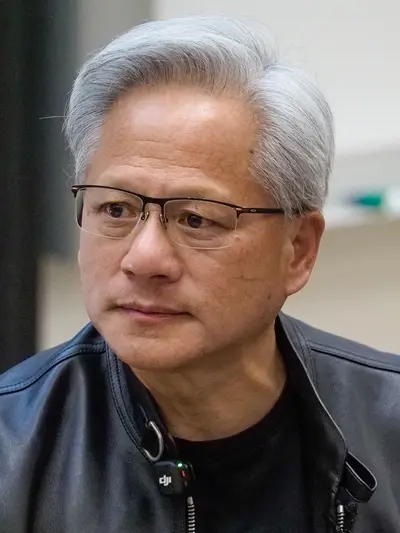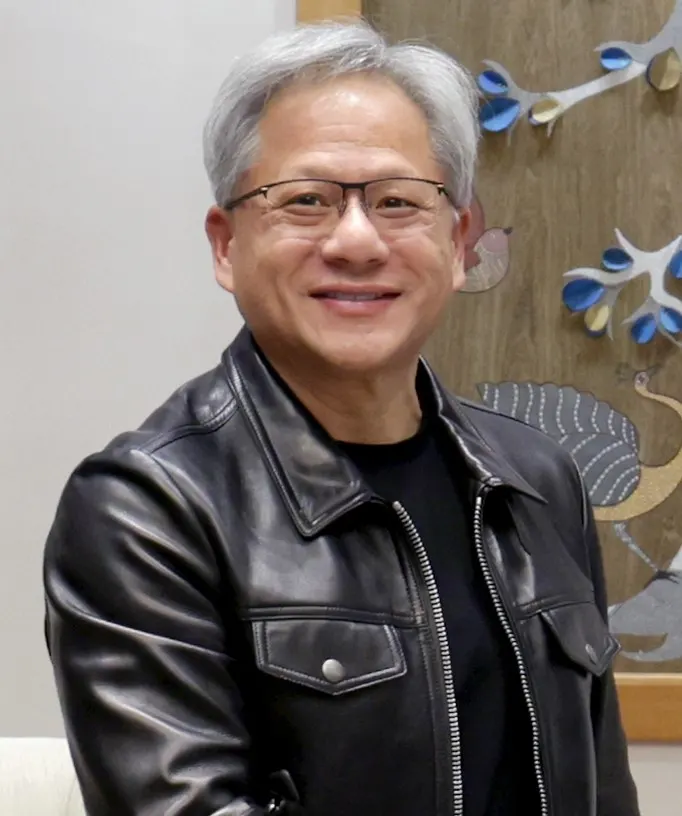
Nvidia Corporation announced on Thursday, November 12, 20206, that co-founder Jensen Huang has resigned as Chief Executive Officer and board member following revelations of multiple extramarital affairs, including one with an executive accused of being an intelligence asset for China. The Santa Clara-based chipmaker appointed Chief Financial Officer Colette Kress as interim CEO to lead the company while a search for a permanent successor begins. In the wake of the announcement, Nvidia shares plummeted by approximately 10% on Thursday, with market capitalization dropping below the $4 trillion threshold; Al Jazeera reports the total loss in market value exceeded $600 billion. Alongside the leadership change, the board named longtime member and former Synopsys CEO Harvey C. Jones as its first-ever chairperson.
How did the scandal lead to Jensen Huang’s resignation?
Jensen Huang’s departure followed a rapid escalation of personal and professional controversies that raised concerns regarding U.S. national security and corporate governance. On Sunday, Huang admitted to a romantic involvement with Alice Huang, an executive at the Singapore-based AI infrastructure firm Megaspeed. According to reports from the Financial Times and TechCrunch, U.S. intelligence officials believe Alice Huang is a spy operating on behalf of the Chinese government. The situation intensified on Wednesday when the New York Times reported that Huang also maintained a relationship with Kimberly Powell, Nvidia’s Vice President of Health Care. Because Powell reports directly to the CEO, the relationship appeared to violate Nvidia’s internal code of conduct, which requires staff to avoid conflicts of interest stemming from personal relationships.
"The reason they're in the position that they're in today is because he made decisions 10 years ago," Bernstein analyst Stacy Rasgon told CNBC, questioning who can replace Huang's unique vision.
Internal pressure at Nvidia culminated in a late-night board meeting to discuss Huang’s future after the allegations involving Powell surfaced. While the board had initially initiated an independent investigation led by the law firm Wachtell, Lipton, Rosen & Katz to look into the national security implications of the first affair, the revelation of a second relationship with a subordinate made his continued leadership tenable, according to analysts cited by CNBC. Furthermore, the company faced external pressure from U.S. lawmakers, with Republican leaders from three House committees demanding briefings on Huang’s contact with the alleged Chinese agent.

What are the national security implications of the Megaspeed connection?
The relationship between Jensen Huang and the Megaspeed executive is particularly sensitive due to Nvidia’s central role in the global artificial intelligence arms race. TechCrunch reports that Megaspeed has purchased $4.8 billion worth of Nvidia hardware over the past two years and has been the subject of investigations by both U.S. and Singaporean authorities over the potential illegal diversion of high-end chips to China. U.S. export controls currently restrict the sale of advanced AI processors to Chinese entities to maintain a technological edge in military and economic spheres. The Department of Justice has reportedly taken over a federal probe into Megaspeed’s activities, making Huang’s proximity to a suspected Chinese intelligence asset a matter of significant federal concern.
How has Nvidia’s leadership transitioned in the interim?
Nvidia’s transition plan involves placing veteran executive Colette Kress at the helm while the board of directors searches for a permanent replacement. Kress, who has served as the company’s CFO during its meteoric rise in the AI sector, will retain her financial duties while acting as interim CEO. Harvey C. Jones, who has been on the Nvidia board since its founding in 1993, will provide oversight as the newly appointed board chair. Jones expressed confidence in a statement reported by Variety, noting that Kress has a "deep understanding" of the business and is supported by a team capable of executing the company’s current technology roadmap without interruption. Despite these assurances, some investors remain wary; Questar Capital Partners described the stock as "uninvestable" due to the perceived lack of a long-term succession plan for a leader as central to the company as Huang.

Jensen Huang, 63, co-founded Nvidia in 1993 and is widely credited with pivoting the company from a niche producer of gaming hardware into the world's dominant supplier of AI-powering GPUs. His personal wealth was estimated at over $150 billion prior to the recent stock decline. The company now faces the challenge of maintaining its market dominance while navigating federal investigations and the loss of its primary visionary.
What happens next and what remains unconfirmed?
The timeline for appointing a permanent CEO remains unconfirmed, though Nvidia has indicated the search will consider both internal and external candidates. It is currently unclear whether Kimberly Powell will remain in her role as Vice President of Health Care following the reports of her relationship with Huang. While China has denied the espionage allegations and Alice Huang has not commented publicly, the FBI and the Department of Justice are expected to continue their investigations into the security breaches. The most immediate next step involves a scheduled closed-door briefing where Huang was requested to appear before House committee leaders. Financial analysts are monitoring whether the stock will continue to slide toward the 20% decline predicted by some experts if the leadership vacuum persists.
Sources: This report draws on coverage by TechCrunch, CNBC, The New York Times, Variety, Al Jazeera, France 24, WSJ, Maryland Daily Record. The wording is our own.