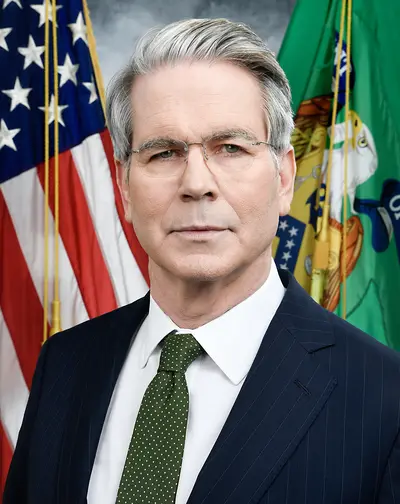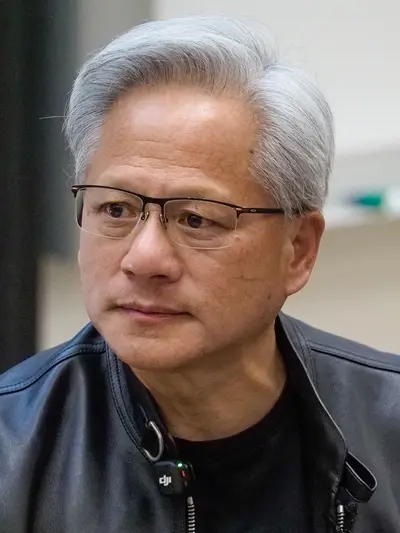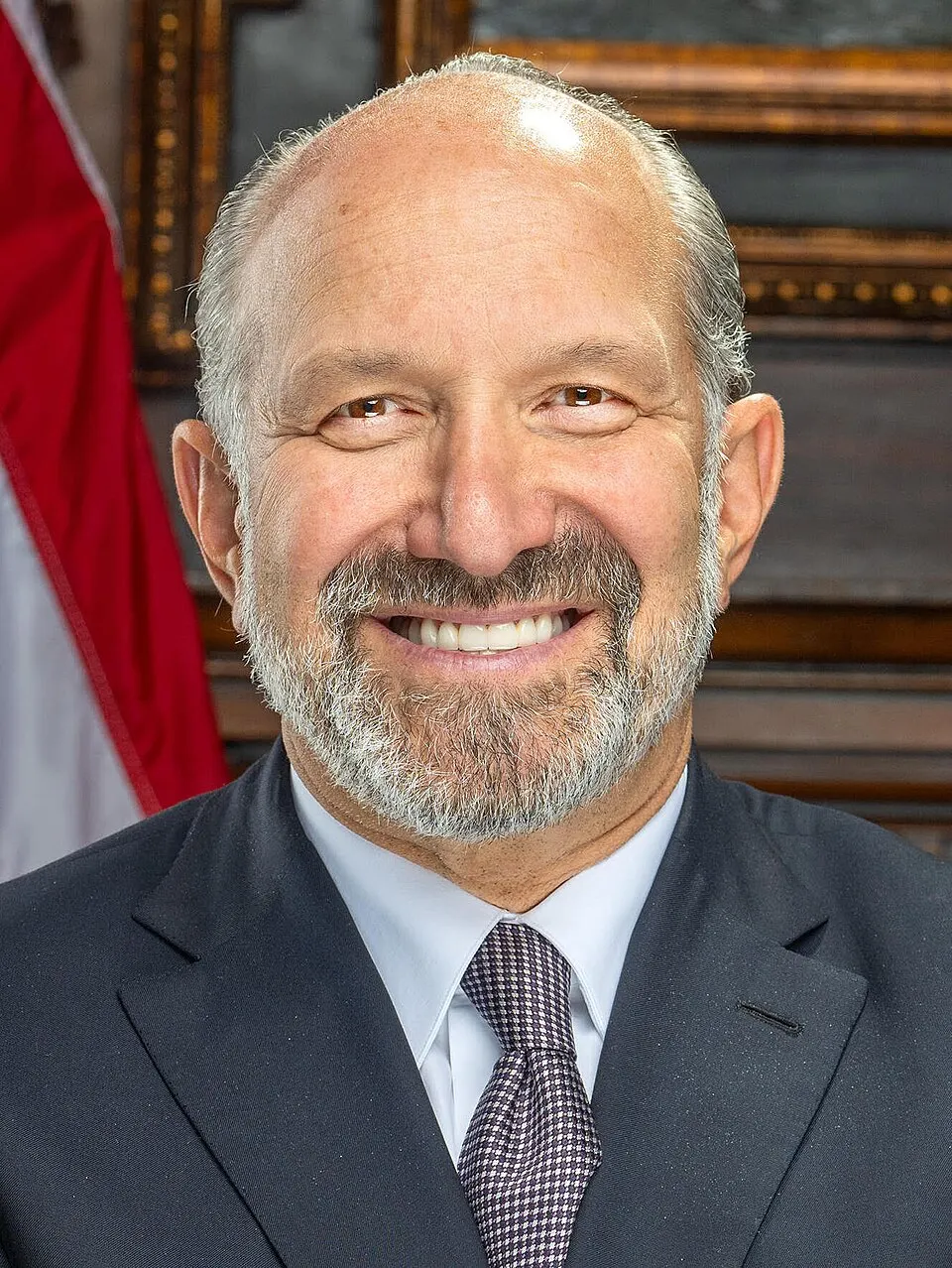
The United States Congress has formally requested testimony from U.S. Commerce Secretary Howard Lutnick and former Nvidia Chief Executive Officer Jensen Huang as lawmakers launch bipartisan inquiries into national security vulnerabilities involving advanced artificial intelligence microchip sales to China. The congressional summons follows Huang's resignation from the Santa Clara-based semiconductor giant after revelations surfaced regarding his relationship with a businesswoman suspected of spying for Beijing. With the Senate Banking Committee scheduling hearings for December 2026, Lutnick has agreed to appear voluntarily to answer growing questions about export control enforcement and potential regulatory lapses at the Commerce Department.
Why are Howard Lutnick and Jensen Huang being summoned to testify?
Howard Lutnick and Jensen Huang face intense congressional scrutiny over whether Nvidia’s high-performance hardware reached Chinese enterprises linked to Beijing's military and intelligence apparatus. The Senate Banking Committee, chaired by Republican Senator Tim Scott of South Carolina, dispatched formal requests on Thursday evening asking Huang to testify on December 3 and Lutnick on December 10. Scott warned that failure to appear voluntarily would prompt the issuance of congressional subpoenas, asserting publicly that recent reports raise serious concerns about national security and U.S. technology protection. Furthermore, three additional House panels—including the Foreign Affairs Committee led by Representative Brian Mast, the China Select Committee under Representative John Moolenaar, and the House Intelligence Committee chaired by Representative Rick Crawford—demanded separate appearances from Huang and Nvidia General Counsel Tim Teter on December 1 and 2, while summoning Commerce Under Secretary Jeffrey Kessler for December 3.
The controversy intensified after Jensen Huang stepped down from Nvidia following revelations of an extramarital relationship with Alice Huang, an executive at Singapore-registered firm Megaspeed. U.S. intelligence officials concluded that Alice Huang, who is not related to the former chief executive, had been recruited by China’s primary intelligence agency. Megaspeed reportedly acquired over $4.8 billion in advanced Nvidia AI processors over the preceding two years. Federal lawmakers are assessing whether these business transactions allowed sensitive semiconductor components to circumvent federal trade restrictions or be diverted to entities linked to the Chinese military. Chief Financial Officer Colette Kress has taken over as Nvidia's interim chief executive as the firm's valuation dropped below $4 trillion for the first time since July 2025.
"Secretary Lutnick has proactively agreed to appear voluntarily before the Banking Committee to address their questions," confirmed Lutnick's spokesperson, Kristen Eichamer, in a statement reported by NBC News.
What allegations do U.S. officials and lawmakers raise against the Commerce Department?
Bipartisan frustration on Capitol Hill focuses on whether Howard Lutnick’s agency failed to rigorously monitor Nvidia’s trade activities and enforced U.S. semiconductor export restrictions too loosely. The Guardian reported that an intelligence briefing regarding Jensen Huang's contact with the suspected Chinese operative had been shared among high-ranking administration figures prior to the public fallout. Criticism against Lutnick expanded over his department's delay in placing Megaspeed on the federal trade blacklist of companies deemed threats to national security, despite internal administration warnings. Associated Press reports cited by The Guardian indicate that White House officials are actively debating whether Lutnick should be removed from his cabinet post.

Lawmakers across political parties have voiced alarm over federal oversight of the semiconductor supply chain. Republican Senator John Curtis of Utah noted that delays regarding Megaspeed raise doubts about the department's protection of public interests, while Republican Senator John Cornyn of Texas demanded a complete investigation, telling the Financial Times that heads should roll over export control evasions. Republican Senator Jim Banks of Indiana publicly criticized Lutnick on Fox News, arguing that the cabinet member appeared to utilize loopholes that permitted chip shipments in defiance of presidential orders. Meanwhile, Democratic Senator Elizabeth Warren of Massachusetts called on Lutnick and Kessler to clarify why regulatory loopholes remained open, emphasizing alongside incoming Senate Foreign Relations Chair Chris Coons that all internal records concerning chip exports to China must be preserved.
How did the U.S. administration and international actors respond to the scandal?
The White House and international bodies have offered contrasting responses as the geopolitical implications of the chip scandal unfolded across global markets. Senate Democratic Leader Chuck Schumer questioned what President Donald Trump knew when he personally invited Jensen Huang aboard Air Force One during a state visit to Beijing earlier in the year. Reports from The New York Times indicated that Trump telephoned Huang two days prior to his resignation, encouraging the executive to remain in his leadership role. The president previously publicly defended Huang, calling him an honourable figure, even as Democratic Senator Richard Blumenthal expressed concerns reported by Al Jazeera regarding a $25,000 donation Nvidia made to the Trump administration.
In response to intensifying scrutiny in Washington, foreign governments issued swift statements regarding trade stability and espionage claims. Government representatives in Beijing denied all spying allegations involving Alice Huang and Nvidia's leadership. Commenting on the legislative push to restrict semiconductor equipment sales further, a Chinese Foreign Ministry spokeswoman stated on Friday that tightening U.S. export controls threatens the stability of global supply chains, reiterating China's consistent opposition to the abuse of trade restrictions. Nvidia has repeatedly stated that its international trade operations fully comply with all applicable U.S. export regulations.
What was Nvidia's trajectory leading into this controversy?
To understand the magnitude of the investigation, context regarding Nvidia's market prominence and leadership history remains critical. Founded in 1993 in Santa Clara, California, by Jensen Huang, Chris Malachowsky, and Curtis Priem, Nvidia built its core business manufacturing graphics processing units, application programming interfaces, and specialized hardware. Over three decades under Huang's leadership, the enterprise evolved into the world's premier provider of hardware driving high-performance computing, data science, and modern artificial intelligence applications. The massive demand for advanced processing hardware saw Nvidia's market capitalization soar, briefly pushing Huang's personal net worth above $150 billion by late 2026 according to Forbes assessments.

Howard Lutnick assumed office as the 41st U.S. Secretary of Commerce in 2025, taking over federal management of economic growth, trade enforcement, and technological security controls. Under his tenure, the Commerce Department held primary responsibility for evaluating foreign companies for national security risks before granting licenses for domestic technology sales abroad. As U.S. policy aimed to maintain technological leadership over global rivals, export rules surrounding semiconductor sales became a central pillar of national defense strategy, putting the Commerce Department's enforcement actions under immediate legislative observation.
What happens next and what remains unclear?
Several key legal, political, and operational developments are scheduled to unfold in the coming weeks, though numerous details surrounding the breach remain unverified. Congressional hearings are confirmed to begin at the start of December 2026. Jensen Huang and Nvidia General Counsel Tim Teter are requested to appear before House committees on December 1 and December 2, followed by Senate Banking Committee sessions featuring Huang on December 3 and Howard Lutnick on December 10. Commerce Under Secretary Jeffrey Kessler is slated to appear before House panels on December 3.
Despite the scheduled testimony, several facts remain unestablished across media reports:
- It remains unconfirmed whether Jensen Huang will voluntarily testify before the Senate Banking Committee on December 3 or if lawmakers will issue a formal subpoena to compel his attendance.
- Official investigations have not publicly confirmed whether classified technical data or intellectual property was directly transferred to Chinese intelligence agencies during the alleged espionage operations.
- The White House has not formally announced a decision regarding whether Howard Lutnick will be retained or dismissed as Commerce Secretary amid ongoing internal staff discussions.
- Neither U.S. federal prosecutors nor international regulatory agencies have announced formal criminal charges against executives at Megaspeed or Nvidia.
Sources: This report draws on coverage by The Guardian, CNBC, Al Jazeera, The New York Times, NBC News, Reuters, EL PAÍS English, Decrypt. The wording is our own.