The Drama Behind the Canvas
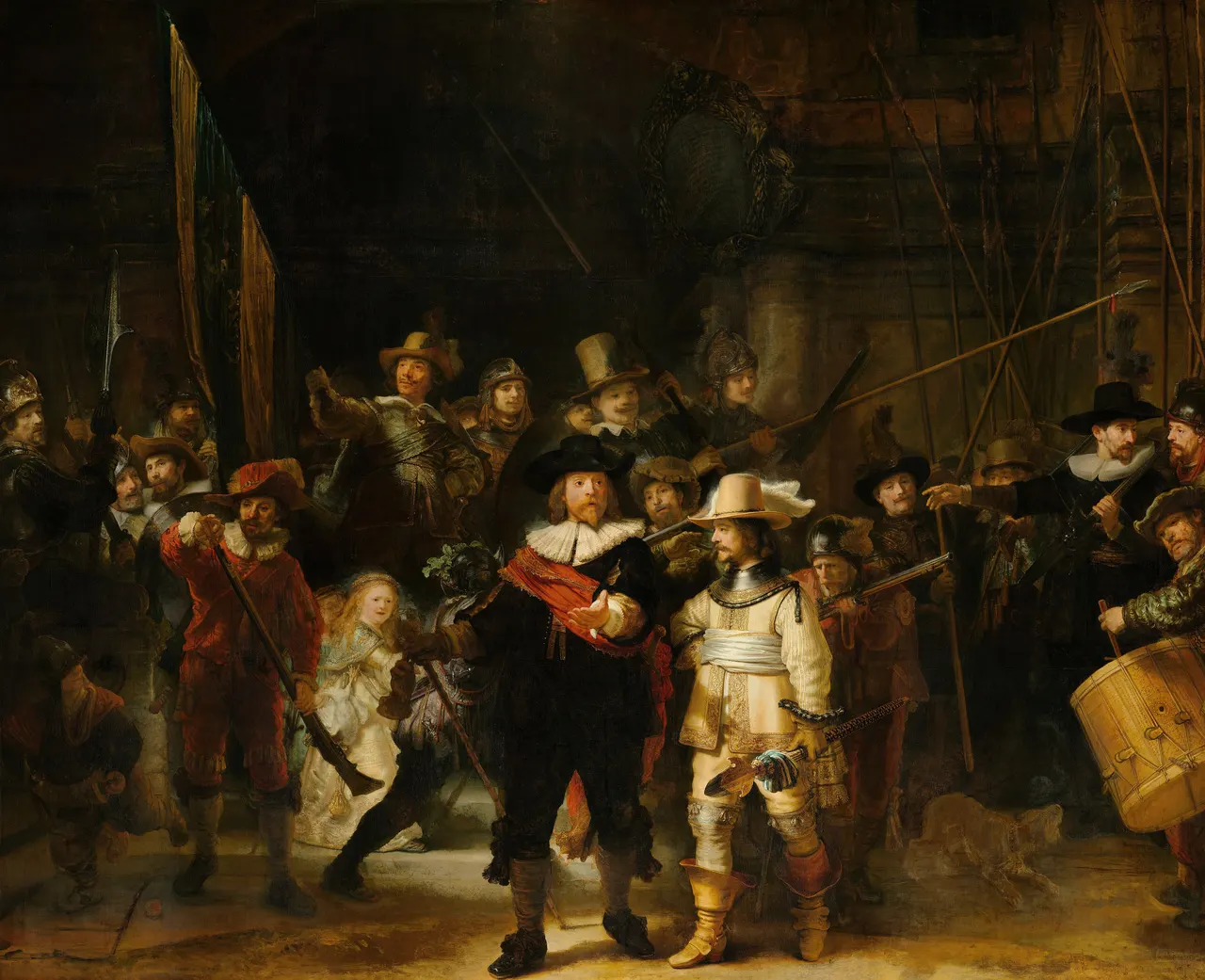
Imagine standing before Rembrandt van Rijn’s The Night Watch. At 363 by 437 centimetres, it is less a painting and more an architectural event. For generations, we have viewed this 1642 masterpiece as a finished, silent monument—a permanent fixture of the Rijksmuseum that defines the Dutch Golden Age. But if you were to step into the MFA Boston’s latest exhibition space, the air changes. You are no longer merely a spectator; you are a witness to the laboratory of history, watching experts peel back centuries of dust and varnish from Nicolaes Eliasz Pickenoy’s group portrait of an Amsterdam wine guild. It is a reminder that these treasures are not static icons; they are living, breathing entities that require constant care to survive the march of time.
This modern hunger for transparency is palpable. A recent online video documenting the painstaking cleaning of shipwrecked treasure and ancient jewellery has garnered over a million views, proving that our fascination with the 'unboxing' of history is more than a fleeting trend. We want to see the human hands behind the myth, the grit beneath the gold leaf.
The Golden Age of Light and Shadow
To understand why these paintings command such reverence, one must return to the 17th century. The Dutch Republic was a nation in metamorphosis, breaking away from Catholic, monarchist traditions to forge a new, prosperous secular identity. Amidst this flurry of trade and scientific advancement, artists like Rembrandt were redefining the possibilities of oil paint. The Night Watch—a misnomer, as the scene takes place in the bustle of the day—is a triumph of tenebrism, a style where Rembrandt used intense contrasts of light and shadow to transform a standard militia commission into a thrumming, cinematic composition of movement and camaraderie.
Rembrandt, the master of this chiaroscuro technique, did not simply paint figures; he orchestrated them. Captain Frans Banninck Cocq and his lieutenant, Willem van Ruytenburch, emerge from the dark, chaotic energy of the militia as if stepping out of a fog. It is this psychological depth, this willingness to treat a civic portrait as a narrative drama, that marks Rembrandt’s hand. He was not just a painter of portraits; he was a master of the human condition, capturing the fleeting pride of a guild at the height of its power.

The preservation of art is a dialogue between the past and the present, a recognition that the brilliance of the Dutch Golden Age relies upon our own commitment to shielding it from the erosion of time.
The Alchemy of Restoration
The conservation of such works is a delicate, often heroic, dance of science and intuition. When a conservator approaches a surface coated in centuries of oxidized varnish, they are not just cleaning a canvas; they are embarking on a journey of archival archaeology. At the MFA Boston, the pop-up restoration studio turns this intimate, solitary act of preservation into a public performance. This transparency serves a vital purpose: it bridges the gap between the untouchable 'treasure' and the living human history it represents.
Historically, the restoration process was shrouded in mystery, conducted in back-room studios far from the prying eyes of the public. Today, by opening the curtain, museums are acknowledging that the labor of maintenance is just as compelling as the art itself. We are moving away from the idea of the museum as a temple of static relics and toward a model of the museum as a dynamic, evolving space of inquiry.
Why We Still Look
Why does a 17th-century painting of a wine guild or a militia captain still capture our collective imagination? Perhaps it is because these works offer a mirror to our own time. Rembrandt’s life was marked by both youthful triumph and crushing financial hardship, yet his devotion to his craft never wavered. His works serve as an anchor in an increasingly fast-paced world, reminding us of a time when art was the primary vessel for recording the spirit of a society.

As we watch the conservators at the MFA Boston work their quiet magic, we are participating in a cycle of renewal. Every brushstroke revealed, every layer of grime removed, allows the vibrancy of the Dutch Golden Age to re-emerge, sharper and more urgent than before. In these spaces, the past ceases to be a dusty footnote; it becomes a dialogue, a living history that asks us to look closer, to question, and ultimately, to value the fragility of our shared cultural memory.