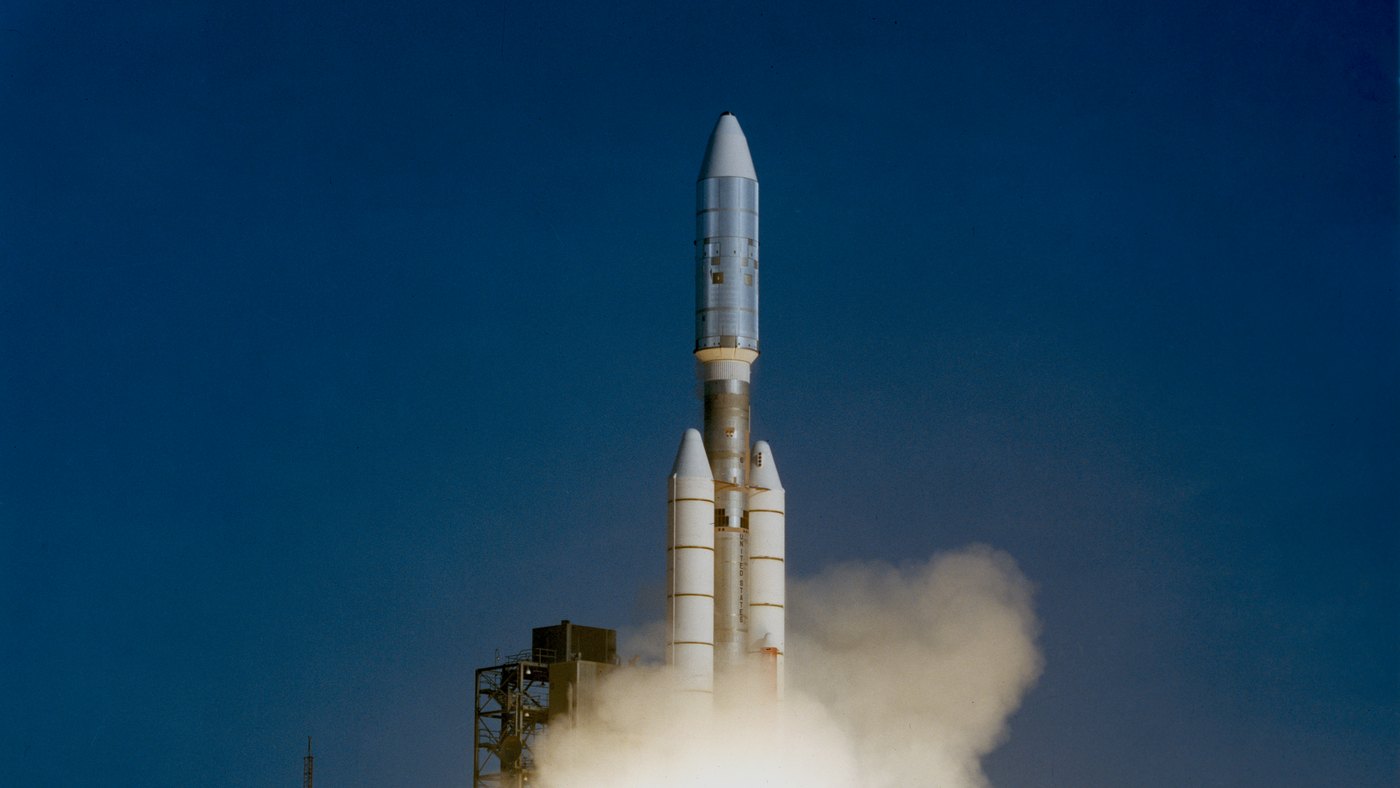
Japan’s MMX spacecraft successfully launched from the Tanegashima Space Center on October 19, 2026, at 22:41 Turkish time. The H3 rocket deployed its payload approximately 71 minutes later, with the Japan Aerospace Exploration Agency (JAXA) confirming that the Martian Moons eXploration (MMX) probe had entered its intended trajectory. Signals from the craft confirmed a successful separation at an altitude of approximately 592 kilometers, marking the start of a multi-year journey to the Martian system.
The timing of this mission was strategically chosen. According to calculations by NASA’s Glenn Research Center, October 31, 2026, represents the optimal date for an energy-efficient transit to Mars. A spacecraft departing on that date is expected to arrive at the Red Planet 292 days later, on August 19, 2027. While two primary missions are utilizing this specific alignment, the second is currently positioned in near-Earth space, awaiting its own engine burns in November.
- The orbital mechanics behind why the transit window to Mars opens only every 26 months.
- Japan’s plan for returning surface samples from the Martian moon Phobos.
- Why NASA’s twin probes are loitering in Earth orbit before proceeding to Mars.
- The status of SpaceX’s Mars ambitions within the current launch cycle.
Why does the path to Mars open only every 26 months?
The path to Mars opens only every 26 months because the two planets move at different speeds and must align in a specific configuration to minimize fuel consumption. Earth completes its orbit around the Sun in 365 days, while Mars requires 687 days. Because Earth orbits more rapidly, it overtakes Mars once every 779.94 days. The most efficient route between the two, known as a Hohmann transfer orbit, involves a semi-elliptical trajectory that touches both planetary orbits. First described by German engineer Walter Hohmann in 1925, this path requires the target planet to be positioned approximately 44 degrees ahead of Earth at the moment of launch. While circular models provide a baseline, the elliptical nature of actual planetary orbits means that precise launch calculations shift by several weeks, with the optimal departure window for late 2026 spanning from late October through mid-November.
What is the mission profile for the MMX spacecraft?
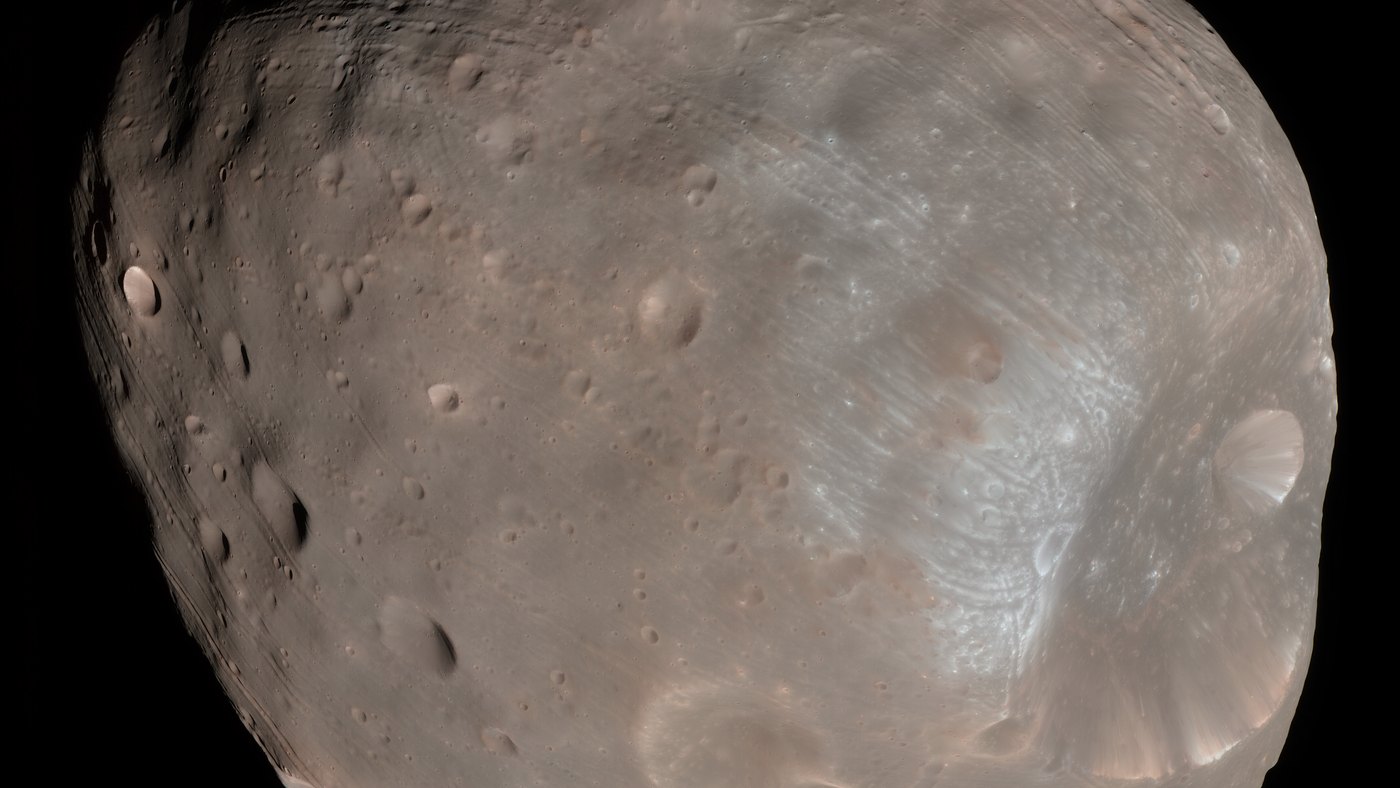
The MMX, or Martian Moons eXploration, mission is designed to investigate the origin of Mars’s two small moons, focusing specifically on Phobos. It remains unclear whether Phobos is a captured asteroid or a collection of debris ejected by a massive historical impact on Mars. To resolve this, the MMX mission aims to retrieve surface samples for analysis. Although JAXA manages the mission, it is an international effort: France and Germany’s space agencies developed the 25-kilogram Idefix rover, the European Space Agency (ESA) provided deep-space communication infrastructure, and NASA contributed a dedicated scientific instrument. The mission features 11 instruments in total, four of which are mounted on the rover. Due to the extremely weak gravity of Phobos, the rover’s weight upon landing will be equivalent to only 15 grams on Earth.
The timeline for MMX is extensive. The craft will reach the Mars orbital environment in August 2027 and settle into a Phobos-proximate orbit by September 2027. The Idefix rover is scheduled for deployment in early 2029, with the main spacecraft following up to collect at least 10 grams of material from the surface. According to JAXA, the craft is expected to depart the Mars system in November 2030, with a sample return capsule landing in the Australian desert in July 2031. This would represent the first-ever sample return from the Mars system.
Notes and Sources
- JAXA (October 20, 2026). "Launch result of the Martian Moons eXploration (MMX) spacecraft aboard H3 Launch Vehicle flight No.10". Press release.
- Yomiuri Shimbun (October 20, 2026). "Martian Moon Exploration Probe MMX Launch Success".
- Burke, L. M., Falck, R. D., and McGuire, M. L. (2010). Interplanetary Mission Design Handbook: Earth-to-Mars Mission Opportunities 2026 to 2045. NASA/TM-2010-216764, NASA Glenn Research Center.
- NASA NSSDCA. "Mars Fact Sheet" (Synodic period: 779.94 days).
- NASA JPL Education. "Let's Go to Mars! Calculating Launch Windows".
- ESA (October 13, 2026). "Mars moon lander set to launch on 19 October".
- ESA (October 20, 2026). "MMX lifts off to Mars's moon Phobos".