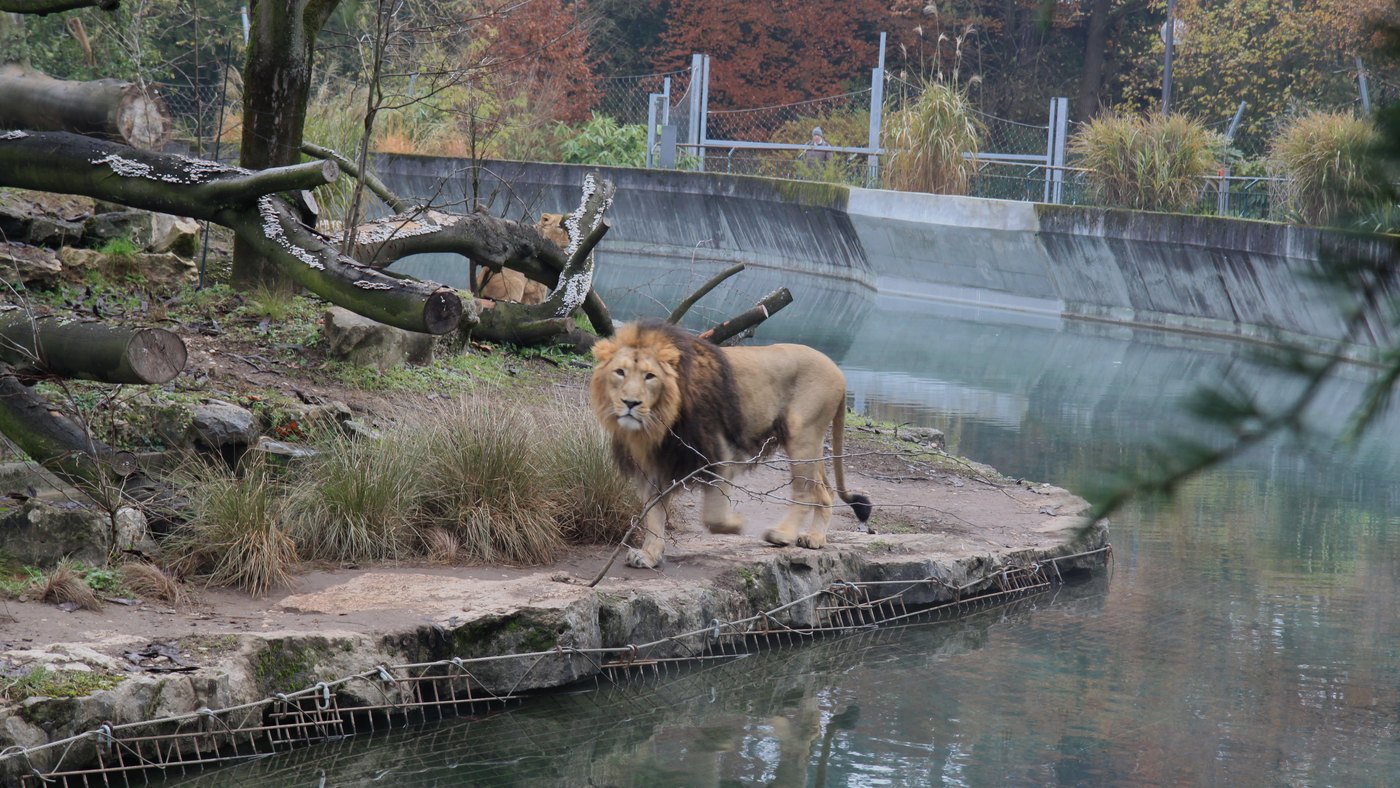
On July 18, 2026, at the western edge of Tokyo in Hino City, two of the sixteen lions in the Tama Zoological Park's lion enclosure lost their appetite and stopped moving. Four days later, the number of animals requiring medical treatment had risen to ten; some could no longer stand, while others lost consciousness. On July 23, the park suspended its public lion presentations. On July 28, three-year-old Mugi died, followed by eleven-year-old Ichigo on July 31, and fifteen-year-old Luena on August 2. Post-mortem pathological examinations on all three animals revealed general dehydration and multiple organ failure. Park officials noted that an unprecedented heatwave persisting since mid-July played a significant role, though definitive conclusions await external laboratory results.1
- At Tama Zoological Park, ten out of sixteen lions received medical treatment and three females died, with autopsies showing dehydration and organ failure.
- Lions cannot sweat and must release heat through shade, resting, and respiration, methods that fail in high humidity.
- Elephants, cheetahs, and great apes are also vulnerable, as open-air enclosures limit their ability to escape extreme heat.
- Temperate zoos were originally built for cold winters, meaning heatwaves now pose a predictable welfare risk comparable to major storms.
Why do lions struggle with high heat?
While lions are naturally associated with savannahs and intense daytime sun, their vulnerability to heatstroke in captivity often surprises observers. The critical factor is not temperature alone, but humidity.
Felines cannot perspire through their body surface the way humans do. They dissipate heat by seeking shade, reducing movement, and panting. Evaporative cooling through respiration becomes ineffective on days when the air is already saturated with water vapor.2 In May 2003 at India's Arignar Anna Zoological Park, a twelve-year-old lioness reached a core rectal temperature of 41.2 degrees Celsius on a day when the ambient temperature hit 43.5 degrees Celsius alongside high humidity; the animal survived following intensive treatment.3 Hideaki Karaki, a professor of veterinary medicine at the University of Tokyo, noted that high humidity during the Tama incident severely hindered cooling, while the sudden temperature spike left the animals insufficient time to acclimatize.4
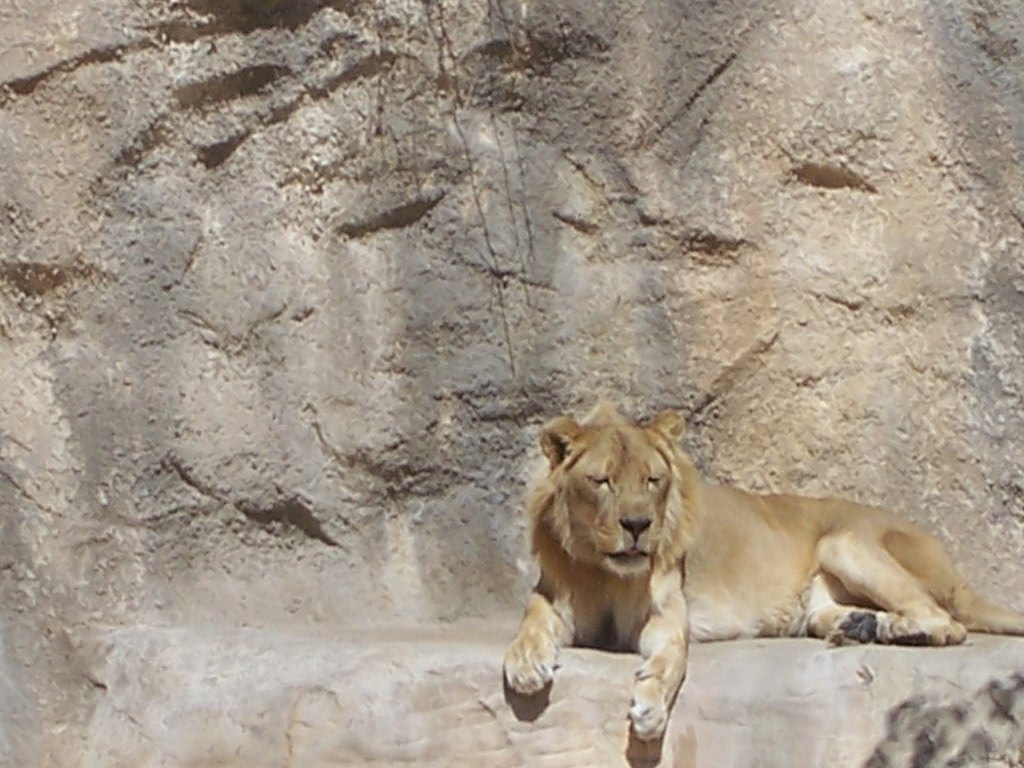
In the wild, lions retain choices: they walk to shade, rest during the hottest hours of the day, and defer hunting to cooler periods. Captive environments frequently lack those distances and microclimates. A study conducted at the University of Guelph in Canada measured the movement of lions and tigers in open-air enclosures throughout the day, observing that the animals actively chose between sunny and shaded spots, with tigers panting more heavily on hotter days. Animal welfare depends not just on the temperature reading, but on the animal's ability to respond to it.5
Which other animals traditionally considered heat-tolerant are at risk?
While the vulnerability of cold-weather species such as polar bears, penguins, and red pandas is widely anticipated, the greater surprise lies among species presumed to thrive in hot climates.
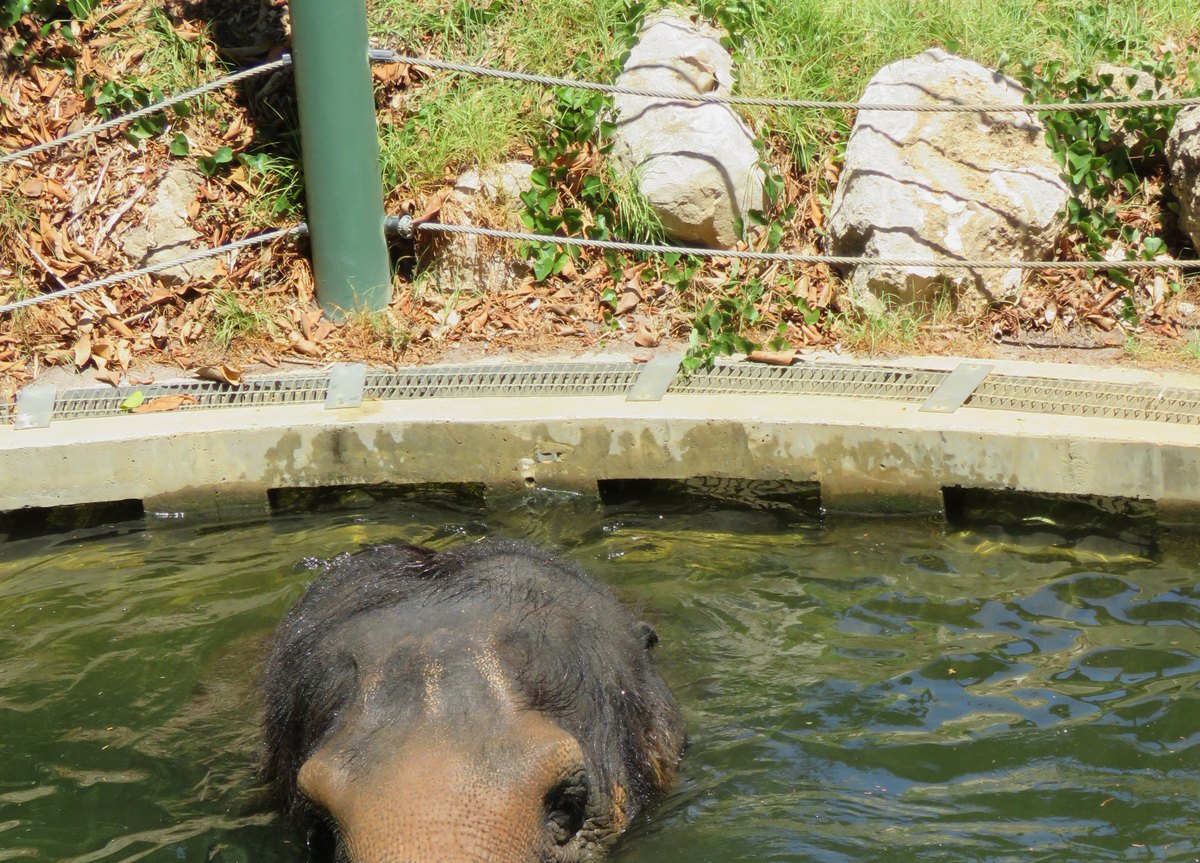
As the largest land mammal, elephants struggle to shed heat due to their low surface-area-to-mass ratio and lack of functional sweat glands. In the savannah, when the felt air temperature reaches approximately 30 degrees Celsius, elephants seek shade, wet their skin, and use their ears as fans. They can maintain normal body temperatures even above 40 degrees Celsius, provided they have access to shade, water, and adequate space.6 The Oregon Zoo installed pools, shade structures, air-conditioned rooms, and misters for its Asian elephants, while Zoo Atlanta successfully reduced radiant heat loads through engineered shading. Deprived of water and shade in an open enclosure, the same animals quickly succumb to heat stress.7
Great apes, tapirs, and cheetahs also suffer under severe heat and humidity. Individual responses within the same species can vary widely in an open enclosure; older animals or those with pre-existing respiratory conditions decline much faster. Modern zoo management tracks individual health records, personalities, and behavioral notes, but these logs are rarely utilized as early-warning systems against heatwaves.
Why were historical zoos designed primarily for cold weather?
Most temperate-climate zoos were originally engineered to manage winter rain and frost, with tropical species housed in artificially heated indoor quarters. Consequently, extreme summer heat was long treated as a secondary concern. Climate change disrupts that baseline assumption, making heatwaves more frequent, prolonged, and severe. In 2026, the Japan Meteorological Agency introduced the term kokushobi, meaning severe heat day, to designate temperatures reaching or exceeding 40 degrees Celsius. In late July, the country recorded five consecutive days at or above 40 degrees Celsius, the longest streak in meteorological history.8
In response, the Association of Zoos and Aquariums updated its climate guidelines to classify heatwaves, alongside wind, floods, wildfire smoke, and severe storms, as operational continuity risks.9 The Phoenix Zoo combats desert temperatures through shade sails, misting systems, automated sprinklers, and chilled water lines embedded directly into rock formations. Even desert-adapted species like Arabian oryx require supplemental cooling under these conditions.10
Infrastructure alone remains insufficient. Adjusting feeding and enrichment schedules to cooler morning hours, canceling midday public shows, and maintaining real-time temperature and humidity sensors in open habitats are all critical components of modern animal management. Extreme heat must be treated as a predictable welfare hazard.
Can zoos successfully balance openness and animal safety?
By August 10, three lions at Tama were still receiving ongoing medical treatment, though two had regained consciousness and a one-year-old named Lyas was able to take short walks. The remaining ten animals showed normal feeding behaviors, while public presentations remained suspended. While heat stroke is strongly suspected, the definitive cause of death remains under official investigation.
Zoos do not replace the wild, instead staking their mission on conservation, education, and individual animal welfare. A changing climate is putting that mission to the test. As animals in open enclosures face increasingly restricted choices, the old assumption that certain species can simply endure high heat is failing. Shade, water, airflow, and timing now dictate survival faster than evolutionary adaptations.
When a lion rests in the shade during the midday sun, it is not idleness: felines lack functional sweat glands across their skin and rely primarily on respiration to cool down. At Tama, a loss of appetite that began in two out of sixteen lions on July 18 ultimately culminated in the deaths of three females within two weeks.
Notes and Sources
- Tama Zoological Park official announcement, August 3, 2026 (August 10 update): On July 18, two of 16 lions (5 males, 11 females) showed decreased appetite and activity; by July 22, 10 animals required treatment; presentations stopped July 23. Deceased: Mugi (female, age 3, July 28), Ichigo (female, age 11, July 31), Luena (female, age 15, August 2). Autopsy: general dehydration and multiple organ failure; final cause pending lab results. tokyo-zoo.net ↩
- Trethowan, P. D. et al. (2017). "Getting to the core: Internal body temperatures help reveal the ecological function and thermal implications of the lions' mane", Ecology and Evolution, 7(1). Felines lack functional cutaneous sweat glands; evaporative cooling occurs primarily through respiration. DOI: 10.1002/ece3.2556 ↩
- Upadhye, S. V. and Dhoot, V. M. (2004). "A case of heat stroke in a lioness (Panthera leo)", Zoo's Print Journal, 19(9). Arignar Anna Zoological Park, May 22, 2003; rectal temperature 41.2 °C, ambient 43.5 °C, high humidity. DOI: 10.11609/jott.zpj.1095.1850 ↩
- BBC News (August 4, 2026), "Three lions die in zoo as Japan battles extreme heat": University of Tokyo veterinary professor Hideaki Karaki on humidity and sudden temperature spikes. Asahi Shimbun (August 4, 2026) reports the official facility summary. ↩
- Young, T. (2012). The effects of microclimate on the behaviour of African lions and Siberian tigers in a zoo setting, master's thesis, University of Guelph. Microclimate analysis (temperature, humidity, radiation, wind) and spatial selection in open habitats. ↩
- Mole, M. A., Rodrigues D'Araujo, S., van Aarde, R. J., Mitchell, D. and Fuller, A. (2016). "Coping with heat: behavioural and physiological responses of savanna elephants in their natural habitat", Conservation Physiology, 4(1). Operative temperature (~30 °C) triggers shade-seeking and wetting; body temperature remains regulated above 40 °C given adequate shade, water, and space. DOI: 10.1093/conphys/cow044 ↩
- Dunkin, R. C., Wilson, D., Way, N., Johnson, K. and Williams, T. M. (2013). "Climate influences thermal balance and water use in African and Asian elephants", Journal of Experimental Biology, 216. Elephant water dependency linked to heat dissipation. Oregon and Atlanta habitat designs: Glaeser et al. (2021); Langman et al. (2003), Zoo Atlanta shade structures reducing radiant load. ↩
- Japan Meteorological Agency designation of temperatures >= 40 °C as kokushobi (severe heat day) in 2026. Nippon.com (August 4, 2026) cumulative totals. Asahi reports locations experiencing 40 °C surpassed the total of 30 recorded across all of 2025. ↩
- Association of Zoos and Aquariums, Climate Change Position Paper. Classifies heatwaves, storms, floods, and supply disruptions as business continuity risks, mandating climate resilience in new construction and renovations. ↩
- AZA Connect (2025): "Climate Change and Animal Wellbeing". Phoenix Zoo shade sails, evaporative coolers, automated misting systems, and chilled rock formations; supplemental cooling for Arabian oryx. Photography: Lyon Zoo lion, Bradley Griffin (CC BY 2.0); San Antonio lion, Bigroger27509 (CC BY-SA 3.0); Perth elephant, Calistemon (CC BY-SA 4.0). ↩