The Weight of the Legacy
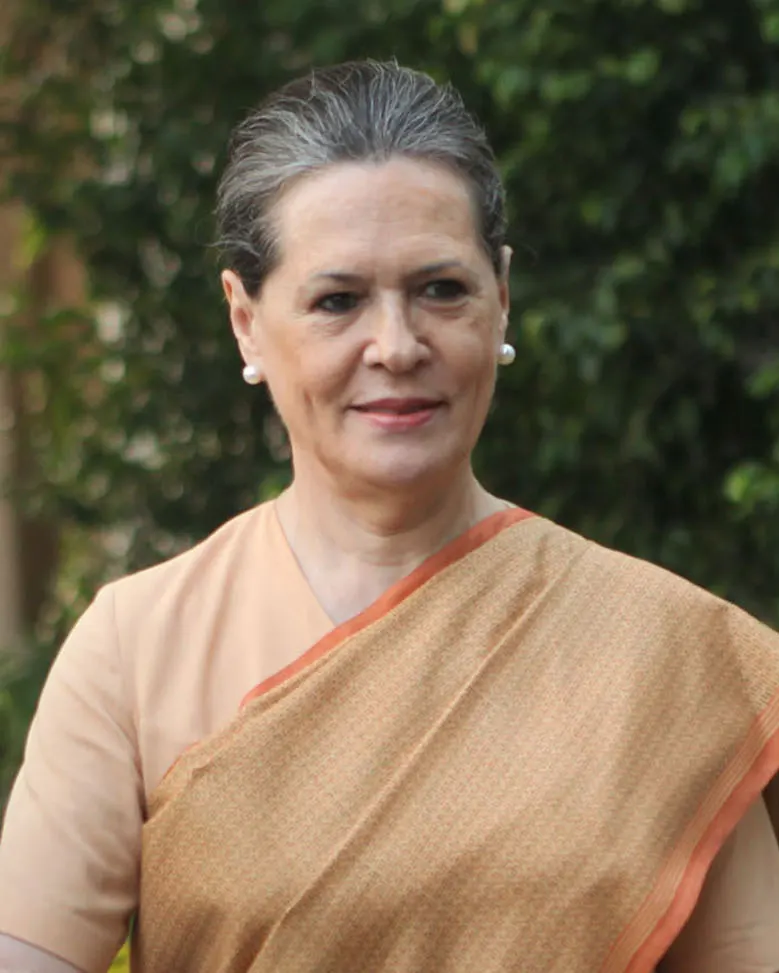
In the high-stakes theater of Indian politics, few figures occupy a space as singular—or as polarized—as Sonia Gandhi. Today, the former president of the Indian National Congress commands the news cycle not through a rally or a legislative maneuver, but through the pages of her new memoir, Belonging: A Journey of Love. Released in late 2026, the book serves as a rare, intimate autopsy of a life that transformed from an Italian-born student in Cambridge to the matriarch of India’s most influential political dynasty.
For a public accustomed to her guarded demeanor, the memoir arrives as a moment of profound revelation. Amidst a deepening political divide, Gandhi uses this platform to revisit the twin traumas that defined her entry into the public eye: the assassinations of her mother-in-law, Indira Gandhi, and her husband, Rajiv Gandhi. By opening up about these ghosts, she is not merely writing history; she is attempting to anchor her family’s legacy in a contemporary landscape that seems increasingly hostile to it.
From Cambridge to the Center Stage
Born Sonia Maino in 1946 in a small Italian village, her early life offered little indication of the path toward New Delhi. The trajectory shifted during her time in England, where a chance meeting with Rajiv Gandhi led to their marriage in 1968. Upon moving to India, she lived in the shadow of the prime minister’s residence, initially defined by a resolute refusal to enter the public sphere. It was only the cataclysm of her husband’s 1991 assassination that eventually forced her into the arena.
Her rise was neither immediate nor seamless. When she assumed the presidency of the Congress Party in 1998, she faced a skeptical political establishment. Yet, she proved to be a formidable architect of the party’s machinery, serving as its longest-running president for twenty-two years until 2017, and returning as an interim leader from 2019 to 2022. Her career has been marked by a complex duality: she is both the ultimate insider and an eternal outsider, a woman who navigated the complexities of a nation of over a billion people while retaining a sense of her own distinct origins.
"Where I truly belong." — Sonia Gandhi, on her deepening connection to India as articulated in her new memoir.
The Arena of Criticism and Connection
The reception to her memoir has mirrored the vitriol and veneration that have characterized her time in office. Supporters view the work as a courageous act of setting the record straight, a necessary humanization of a leader who often appeared as a stoic monument to her family’s losses. They point to her personal account of her battle with cancer and her reflections on the "turbulent journey" of her political life as evidence of a leader willing to be vulnerable.

However, the reaction from her detractors has been swift and unforgiving. Critics, including members of the ruling Bharatiya Janata Party (BJP), have publicly mocked the work, with some prominent voices accusing her of attempting to "whitewash" history. The book has been criticized as a self-serving account that fails to address the substantive political failures of the Congress era. Even the book’s title, Belonging, has become a flashpoint, with opponents debating whether her narrative reflects a genuine synthesis with Indian life or a curated construction of her own political mythos.
The Final Chapter?
Now, at a stage in her life where she has largely retreated from the daily machinations of the party, the stakes of this memoir are clear. Gandhi is attempting to solidify a narrative before the passage of time—or the opposition—writes it for her. Her account offers a glimpse into her perspectives on the current administration, noting a lack of real contact with Prime Minister Narendra Modi, yet acknowledging areas of common ground.
Whether Belonging succeeds in silencing her critics or merely reignites old grievances remains to be seen. What is certain is that Sonia Gandhi remains a touchstone for India’s political identity. As she reflects on a life that moved from the quiet streets of Italy to the center of the world's largest democracy, she remains a figure of intense, unavoidable significance—a woman whose personal history and the history of modern India are, for better or worse, inextricably bound together.
Sources: This report draws on coverage by The Guardian, The New York Times, BBC News, The Hindu, Reuters, DW.com, NDTV, The Indian Express. The wording is our own.