The Context of the Antalya Summit
The 2026 United Nations Climate Change Conference, or COP31, officially opened on November 9 in Antalya, Turkey. Bringing together delegates from over 190 nations, the summit occurs against the backdrop of record-breaking global temperatures and an intensified global energy crisis. Unlike previous iterations of these talks, the proceedings are defined by the conspicuous absence of the United States, raising critical questions regarding the durability of international climate agreements when the world's largest historical emitter is not at the negotiating table.
The Path to Antalya: A Diplomatic Compromise
The hosting of COP31 was the result of a protracted and difficult diplomatic process. Both Australia and Turkey had mounted aggressive bids to serve as the summit's host, reflecting the strategic importance nations place on leading the global climate conversation. UNFCCC rules require a global consensus for host selection, failing which the conference defaults to the agency's headquarters in Bonn, Germany. Following a week of deadlocked negotiations during the 2025 COP30 summit, the two nations reached a compromise: Turkey would host the event at its Expo Center, while Australia’s Minister for Climate Change and Energy, Chris Bowen, would serve as the presiding officer of the negotiations. This arrangement highlights the pragmatic, often transactional nature of international environmental diplomacy.
The UNFCCC operates on the principle of "common but differentiated responsibilities," acknowledging that while climate change is a collective burden, developed nations hold a greater historical responsibility and a duty to lead global mitigation efforts.
Key Actors and Competing Interests
As the summit progresses, the negotiating landscape is divided among several key blocs with distinct, often conflicting priorities:
- The European Union: Focused on maintaining the momentum of the Paris Agreement, the EU remains a central proponent of ambitious emissions targets, seeking to reinforce multilateral structures in the absence of U.S. participation.
- The Brazilian Delegation: With President Lula da Silva in attendance, Brazil is expected to emphasize the link between tropical forest preservation, biodiversity, and the socio-economic rights of developing nations.
- Emerging Economies and Fossil Fuel Producers: Many nations currently navigating the energy squeeze are prioritizing short-term energy security, leading to friction over the pace of the global transition away from fossil fuels.
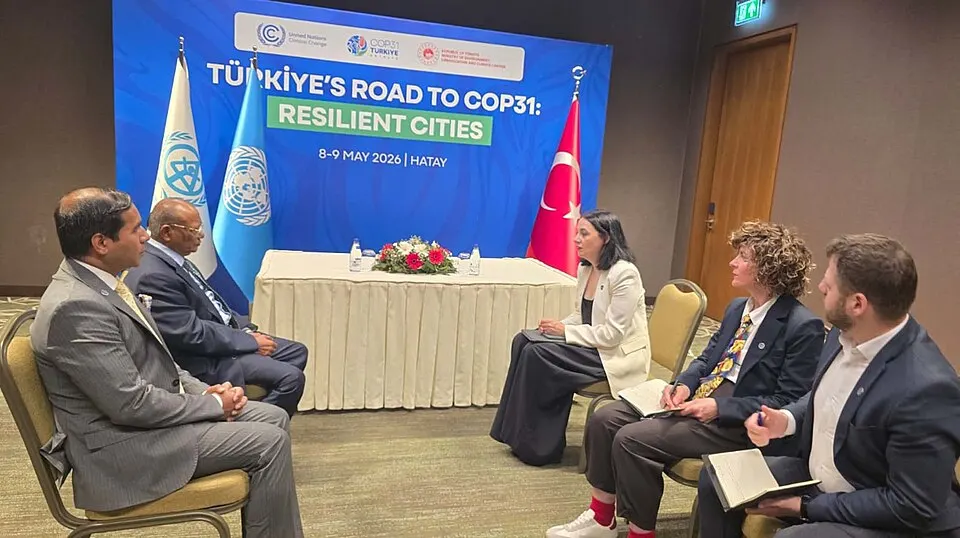
- Scientific and Civil Society Observers: Panels and non-governmental organizations are focusing on the "Second Global Stocktake" and the urgent need for a resilient built environment, providing the evidentiary foundation for the negotiations despite roadblocks in consensus-building.
Scenarios for the Antalya Negotiations
The outcomes of COP31 depend heavily on how delegations resolve the tension between immediate domestic energy pressures and long-term climate obligations. Three scenarios emerge as potential paths forward:

1. A Maintenance-Focused Agreement: If major emitters align to prioritize procedural stability, the summit may conclude with modest, incremental progress on adaptation finance and technical cooperation. This outcome would likely avoid a collapse of the UNFCCC process but offer little to address the "supercharged" climate impacts currently observed.
2. Institutional Fragmentation: Should the energy crisis drive a wedge between the Global North and Global South, the negotiations may stall on commitments to the Loss and Damage fund or emissions reduction targets. This would likely result in a fractured summit where regional or bilateral climate agreements take precedence over the unified UNFCCC mandate.
3. Targeted Sectoral Pacts: If broad consensus proves elusive, negotiators might pivot to high-impact, limited-scope agreements. Focusing on specific sectors—such as renewable energy technology transfers or resilient urban infrastructure—could yield tangible, if partial, results that bypass the current diplomatic deadlock.

What to Watch
Observers should monitor the progress of the negotiating texts tracked by platforms like Carbon Brief, as these indicate where consensus is crystallizing or disintegrating. Furthermore, the role of the Australian presidency, led by Chris Bowen, will be critical; his ability to balance the interests of fossil-fuel-dependent nations with those demanding rapid climate action will determine whether the summit achieves a credible communique or ends in a impasse. Ultimately, the absence of the U.S. puts a premium on the EU-Brazil-Turkey dynamic as the primary bridge-building mechanism for the remaining 190 signatories.