A rapidly developing "super El Niño" is tracking toward a historic peak in December, converging with human-caused global warming to push atmospheric heat into unprecedented territory. As high-stakes talks involving 190 countries open at the COP31 climate summit, scientists warn that the compound effect of ocean warming and fossil fuel emissions could officially make 2026 the hottest year ever recorded.
The ongoing oceanic phenomenon has already reached levels described by researchers as unprecedented. Present-day climate change—driven primarily by fossil fuel burning, deforestation, and industrial practices since the Industrial Revolution—has already raised atmospheric carbon dioxide levels by roughly 50% compared to pre-industrial times. Now, the atmospheric and oceanic coupling of a rare supercharged El Niño is releasing vast amounts of latent heat from the tropical Pacific Ocean into the broader climate system.
The Evidence Behind the Surge
El Niño–Southern Oscillation (ENSO) events alter sea surface temperatures across the tropical Pacific, triggering atmospheric teleconnections that shift wind patterns, surface pressure, and rainfall worldwide. When combined with long-term planetary warming, the impacts amplify rapidly across both tropical and higher-latitude regions.
As the current event intensifies toward its winter maximum, multiple research bodies and climate tracking organizations have highlighted the extraordinary scale of the phenomenon:

- Carbon Brief analysis indicates that the rapidly developing event is on track to peak at the end of the year, pushing global average surface temperatures to staggering heights.
- BBC Science & Environment reports that climate scientists are predicting 2026 will likely surpass previous observational thresholds as the hottest year on record.
- Le Monde reporting confirms that sea surface temperatures in the tropical Pacific have already reached unprecedented levels for this time of year.
"The ongoing 'super El Niño' is likely to peak at the end of 2026 and push average global temperatures to 'simply staggering' heights." — Carbon Brief Analysis
Compounding Impacts: From Flooding to Food Security
The immediate consequences of this climate convergence are already being felt across multiple continents. In the United States, early signs of a wild El Niño winter have manifested as extreme rainfall and severe flash flooding across the Southwest. According to researchers from the Union of Concerned Scientists and local coastal authorities, the combination of a super El Niño and fossil-fueled sea level rise is compounding record-high tides along the California coast, raising risks of infrastructure damage and coastal flooding near regional airports during peak travel periods.
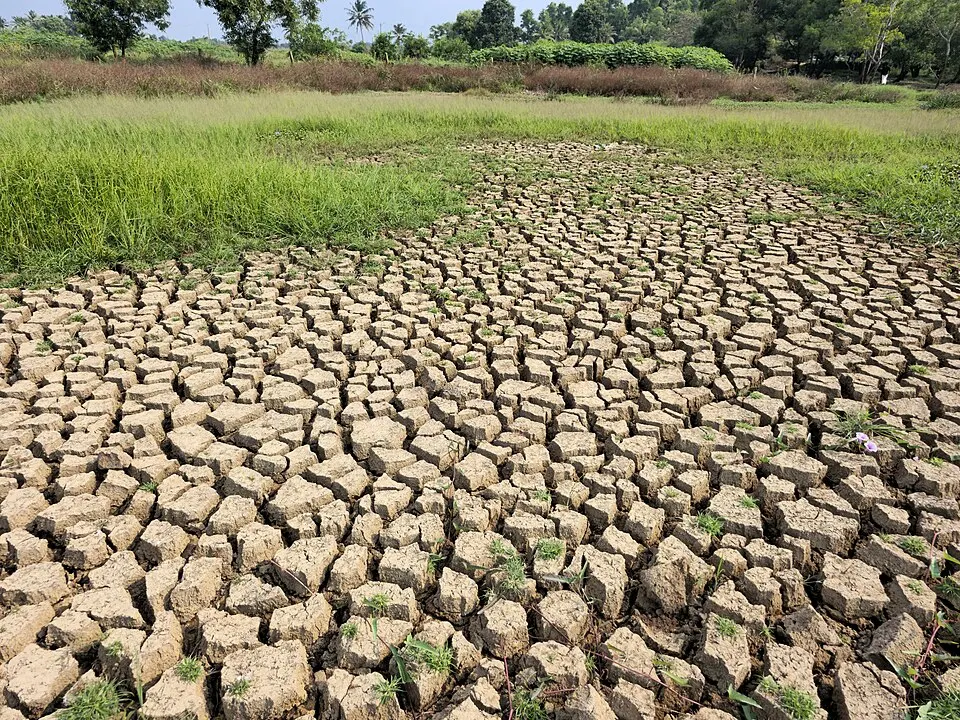
Beyond localized flooding, the human cost is mounting internationally. Reporting by Yale Environment 360 highlights that prolonged droughts linked to this monster El Niño threaten to significantly worsen global hunger. The agricultural stress arrives at a particularly vulnerable moment, as international aid cuts and geopolitical conflicts continue to restrict global energy and fertilizer supplies.
What Happens Next and the Path Forward
Forecasts for late 2026 and early 2027 indicate that while the oceanic peak will occur in December, the lag in global atmospheric response means the full heating impact will spill over into the coming year. As winter approaches in the Northern Hemisphere, regions like Colorado and broader swathes of North America and Europe are preparing for unusual, volatile weather shifts driven by the Pacific heat engine.

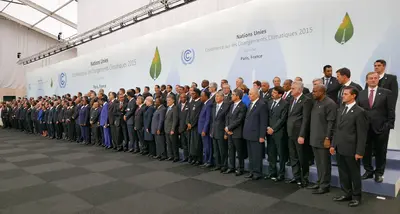
At COP31, delegates face mounting pressure to deliver climate progress that translates into real-world resilience. Because El Niño is a natural climate cycle acting on top of a baseline warmed by human activities, scientists emphasize that while the natural phenomenon will eventually subside, permanent relief from compounding climate extremes requires rapid reduction of fossil fuel emissions. Integrating early-warning systems, strengthening coastal defenses, and protecting vulnerable food supply chains remain critical immediate solutions as the world navigates this historic thermal peak.