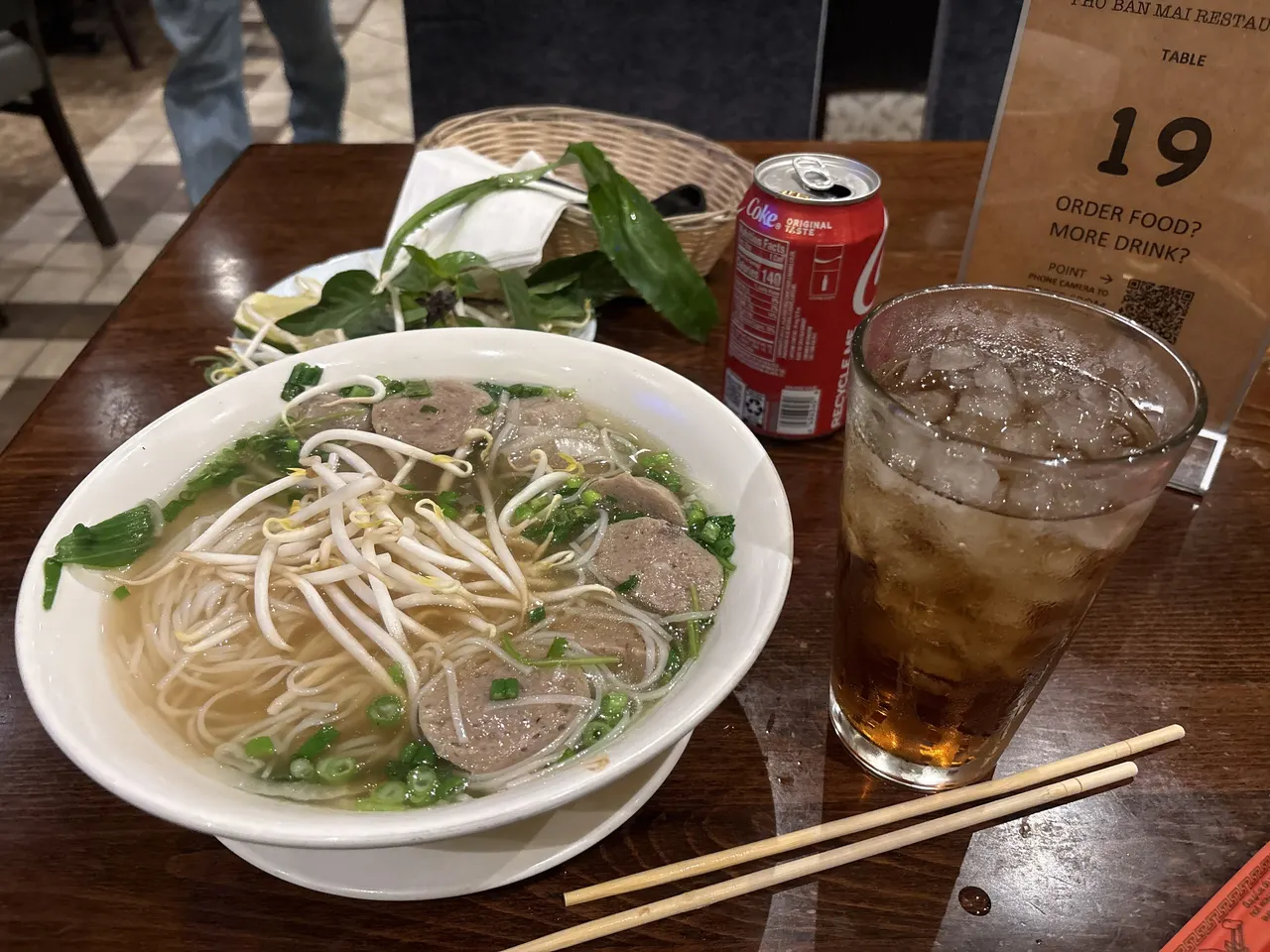
A Morning Ritual in the Steam
In the quiet, pre-dawn humidity of a Vietnamese city, the air is thick with the unmistakable perfume of charred ginger, toasted star anise, and the slow-simmering depth of beef bones. Before the motorbikes surge into the streets and the workday rhythm begins, the ritual of pho begins. It is a dish that requires patience—a stark contrast to the rapid, steaming service of the street stalls that serve it. Whether enjoyed in a bustling alleyway or a quiet household kitchen, the arrival of a bowl of pho is a sensory event, defined by the delicate slide of rice noodles against the aromatic broth.
The global fascination with this dish is immense; a video tour exploring the depths of the country's street food culture has drawn 3.3 million views, capturing the rapt attention of food lovers who are captivated by the alchemy of broth and herb. Yet, to understand pho, one must look past the bowl and into the rugged history of a nation defined by its crossroads of trade and culture.
The Birthplace of a Culinary Legend
While pho is now the unofficial national dish of Vietnam, its origins are rooted in the industrious spirit of Nam Định. It was here that local makers first crafted the traditional iteration of the soup, transforming it from a colonial-era survival meal into a cultural touchstone. Throughout history, Vietnam—a land defined by its coastal stretches and mountainous interiors—has been a melting pot of ethnic and agricultural traditions, from the ancient Đông Sơn culture of the first millennium BCE to the diverse migratory groups that shaped the region’s landscape.
Pho emerged from this complex tapestry as a testament to resourcefulness. At its core, the dish relies on the philosophy of the five fundamental tastes: sweet, salty, bitter, sour, and spicy. By balancing these elements alongside fresh, local ingredients, Vietnamese cooks created a meal that was not only affordable and quick—fitting the essential criteria of street food—but also deeply nourishing. It is a dish that requires no dairy and minimal oil, relying instead on the inherent textures and vibrant aromatics of long coriander, Thai basil, and bird's eye chili.

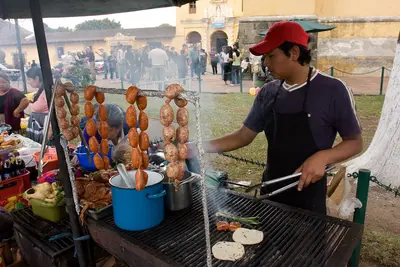
According to a 2007 study from the Food and Agriculture Organization, 2.5 billion people rely on street food every day, underscoring the vital role vendors play in both local economies and the global diffusion of traditional dishes like pho.
A Philosophy of Freshness
What sets Vietnamese cuisine apart, and what has allowed pho to transcend borders so effortlessly, is its fundamental connection to the land and the rice harvest. The cuisine is naturally gluten-free, utilizing the versatility of rice flour to create the noodles and bánh tráng wrappers that are central to the diet. In a world increasingly concerned with the health implications of processed foods, the traditional Vietnamese approach—low in sugar, packed with herbs, and centered on fresh, unprocessed ingredients—resonates deeply.
Pho is not merely a recipe; it is a manifestation of the five-pronged philosophy of Vietnamese cooking. Each bowl is a carefully orchestrated balance of ingredients like Saigon cinnamon and fresh mint, reflecting a history of trade and agricultural development. The absence of heavy fats and dairy allows the clarity of the broth to take center stage, making it a masterpiece of texture and depth. It is this lightness, combined with the profound warmth of the soup, that has allowed it to shift from a local street corner staple to a quintessential global ambassador.
The Resilient Legacy
Today, the street food culture that nurtured pho continues to thrive. For millions of people, the portable food cart is more than a convenience; it is a source of daily nutrition and a primary engine for local livelihoods. As pho continues to find homes in global capitals, it brings with it the story of a resilient people who turned history’s challenges into a culinary language understood worldwide.

Whether it is the beef-based original or the lighter chicken variation, the beauty of pho lies in its democratic nature. It is a meal that defies class and status, found in both the most refined restaurants and the humblest of public markets. As it continues to evolve, one thing remains certain: the bowl of pho remains a bridge between the deep, storied past of Vietnam and a future where its flavors are celebrated at dining tables across the globe.