The Architecture of Stillness
The scent of toasted cardamom and slowly caramelizing sugar hangs heavy in the damp, pine-scented air of the deep Swedish forest. Here, far from the digital hum of city life, a small, wood-fired bakery stands as a testament to the enduring power of patience. Inside, the rhythmic pulse of dough hitting the workbench is the only clock that matters. It is a scene that has captured the global imagination, evidenced by a video tour of a similar forest-hidden routine that has drawn 5.2 million views, proving that in an era of relentless efficiency, the world is ravenous for the quiet dignity of a well-made pastry.
A Ritual Steeped in History
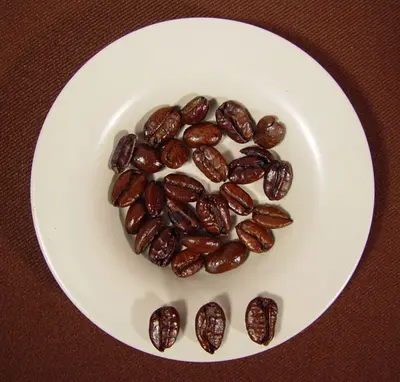
Coffee arrived in Sweden during the late 17th century, quietly infiltrating the national consciousness until it became the foundation of the country's most cherished social institution: fika. More than a simple coffee break, fika is a rhythmic pause, a designated moment to stop, breathe, and connect. It is a ritual that has helped propel Sweden to consistently rank among the world's top coffee consumers per capita. Whether enjoyed in a bustling Stockholm square or a remote cabin in the northern woods, the practice is a deliberate pushback against the modern impulse to rush. It transforms the act of consuming caffeine into a meditative practice of presence.

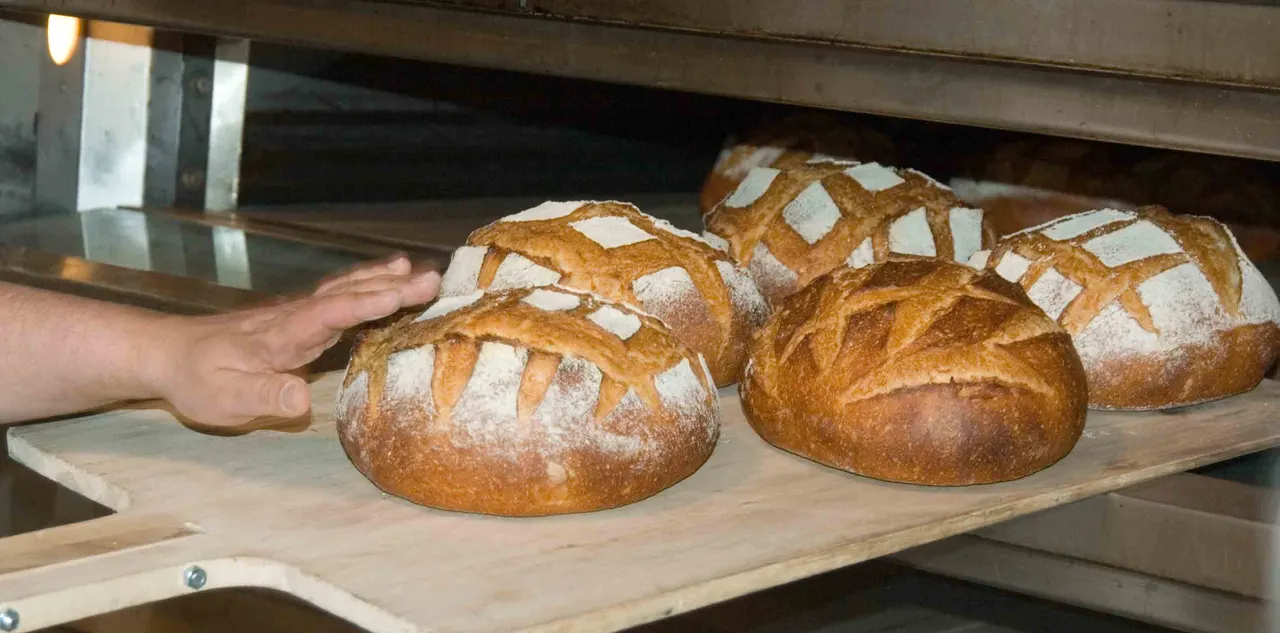
In the grand tradition of Swedish baking, the mastery of dry heat—whether applied via hot stones, ashes, or modern masonry ovens—is not merely a culinary technique, but a way to coax depth and character out of simple, seasonal ingredients.
The Alchemy of Heat and Time
Baking is, at its core, a conversation with physics. As heat travels from the surface of unbaked dough toward the center, the transformation is nothing short of miraculous. By maintaining temperatures exceeding 300°F, bakers trigger the Maillard reaction, the process of surface browning and caramelization that gives a fresh loaf its distinctive, complex profile. In the forest, this process is dictated by the environment; regional variations in climate—stretching across the vast expanse of Sweden—mean that the ingredients are always seasonal, always changing. The crust forms a firm, protective shell, while the center remains soft, a tactile metaphor for the balance of hard work and gentle rest that fika represents.

The Ultimate Antidote
We live in an age that demands constant availability, yet the Swedish bakery serves as a reminder that some things simply cannot be expedited. You cannot hurry the proofing of yeast; you cannot speed the darkening of a crust without sacrificing the depth of flavor. In this remote corner of the woods, the bakery operates on the logic of the forest itself: slow, cyclical, and deeply intentional. By embracing these baking traditions, visitors find more than just sustenance; they rediscover the value of an unscheduled hour. As we navigate the complexities of 2026, the quiet act of pouring a cup of coffee and tearing into a warm, cardamom-dusted bun serves as an act of rebellion. It is a reminder that while the world may spin faster, we retain the agency to choose stillness, one fika at a time.