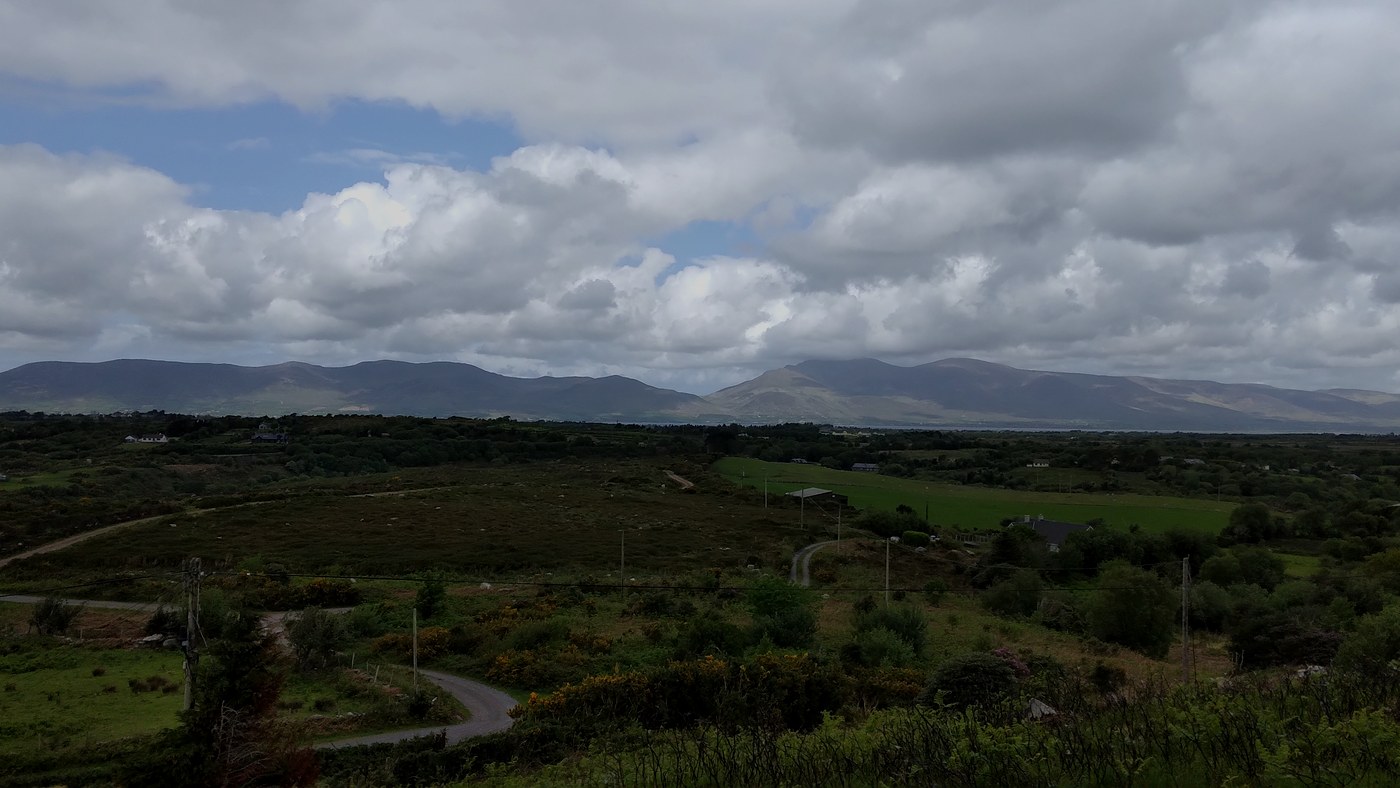
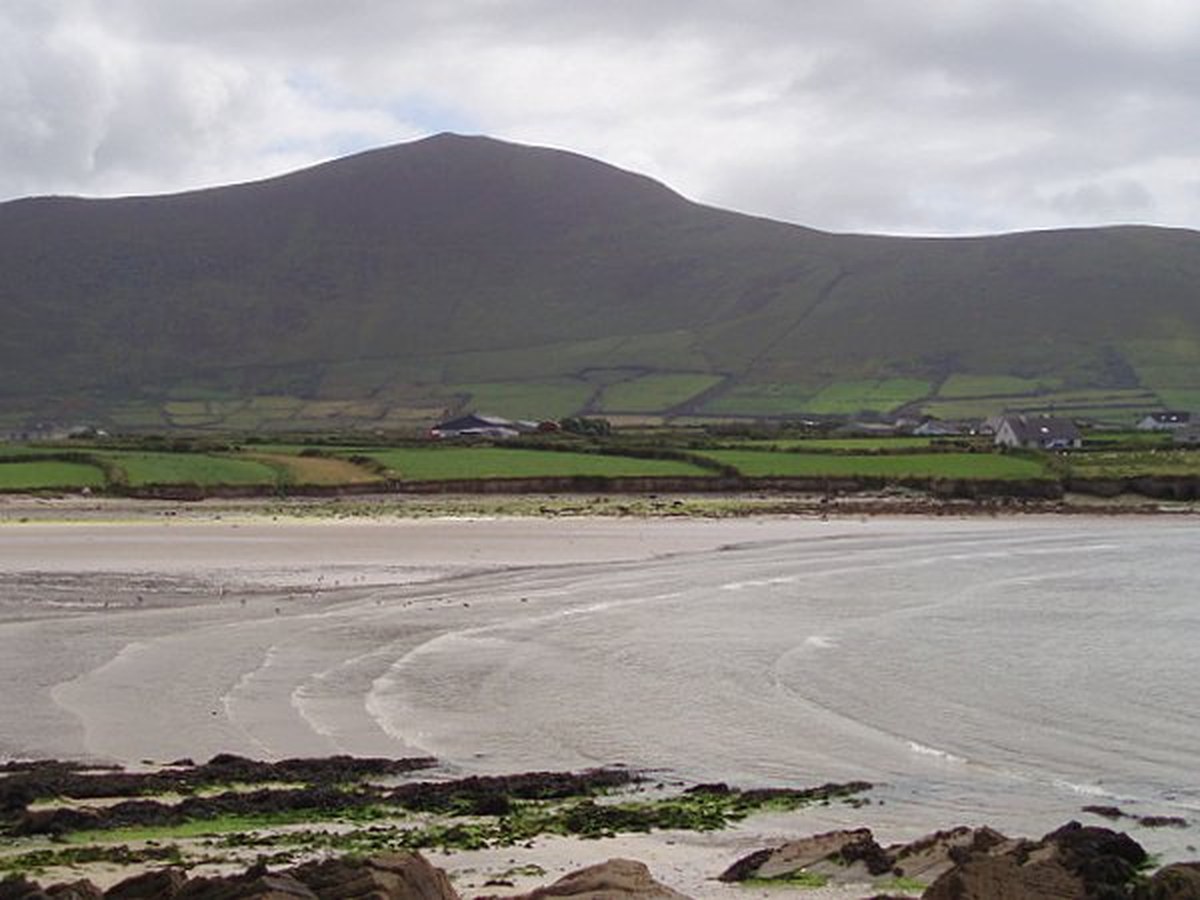
A collection of bone fragments discovered at the tip of the Dingle Peninsula, in a small cove known as Ferriter's Cove, has long served as the cornerstone for theories regarding Ireland's earliest agricultural history. Between 1983 and 1995, a team from University College Cork led by Peter Woodman excavated a site dating to the Mesolithic, or hunter-gatherer period. Radiocarbon dating placed some of these fragments in the second half of the fifth millennium BCE, roughly 4000 to 4500 BCE. Based on anatomical analysis, three specific fragments were identified as domesticated cattle and became known in literature as the 'Kerry cow.'
This identification sustained over three decades of debate. In Ireland, the establishment of farming is typically linked to the period around 4000 BCE. The presence of domestic cattle bone from an earlier date suggested a potential connection with Neolithic farmers from continental Europe, whether through a failed colonization attempt or trade networks established by hunter-gatherers. Consequently, the Ferriter's Cove findings became a staple of textbooks and models of cultural transition.
Key Findings
- Why the 'Kerry cow' was considered evidence of early agriculture.
- How ZooMS protein analysis reclassified the remains in 2026.
- The implications of re-identifying the bones as bear and wild boar.
- Ongoing research into whether the specimens represent brown or polar bears.
Why was the 'Kerry cow' considered early evidence of agriculture?
The 'Kerry cow' identification at Ferriter's Cove was central to the argument that Ireland had contact with Neolithic European neighbors before 4000 BCE. If domesticated cattle were present on the island before the known emergence of permanent farms and field systems, it implied a much more complex interaction between local hunter-gatherers and continental farming societies. This single identification anchored entire models of pre-Neolithic contact, placing the site at the center of Irish archaeological discourse for over thirty years.
How did ZooMS re-identify the Ferriter's Cove bone fragments?
Martin Moucheron, a researcher at University College Dublin, conducted a comprehensive review of the original Mesolithic collection housed at University College Cork. Working with a team including Benjamin Gearey, Margaret McCarthy, Barra Ó Donnabháin, and Kate Kanne, Moucheron scrutinized the original diagnostic reports, finding that early classifications were often tentative. In June 2026, eight bone samples were sent to the CNRS Michel Eugène Chevreuil Institute in Lille, France. Fabrice Bray and Lisa Garbé utilized ZooMS (Zooarchaeology by Mass Spectrometry), a technique that identifies species by analyzing protein peptides in bone collagen. The analysis confirmed human remains, identified one specimen as a wild boar (Sus scrofa), and revealed that two of the three 'cattle' fragments were actually bear remains, with the third being identified as wild boar.
What are the implications of these findings for Irish archaeology?
The findings, published in the Prehistoric Society's newsletter PAST, essentially invalidate the archaeological evidence that suggested Ireland had contact with Neolithic farmers prior to 4000 BCE. With the 'Kerry cow' removed from the record, the primary physical evidence for that contact has disappeared. While this does not resolve the broader question of how and when agriculture arrived on the island, it removes a critical link in the existing chain of evidence. The re-identification demonstrates the fragility of morphological assessments for small, degraded bone fragments, particularly when compared to the precision of modern proteomic analysis.
What is the status of the bear remains?
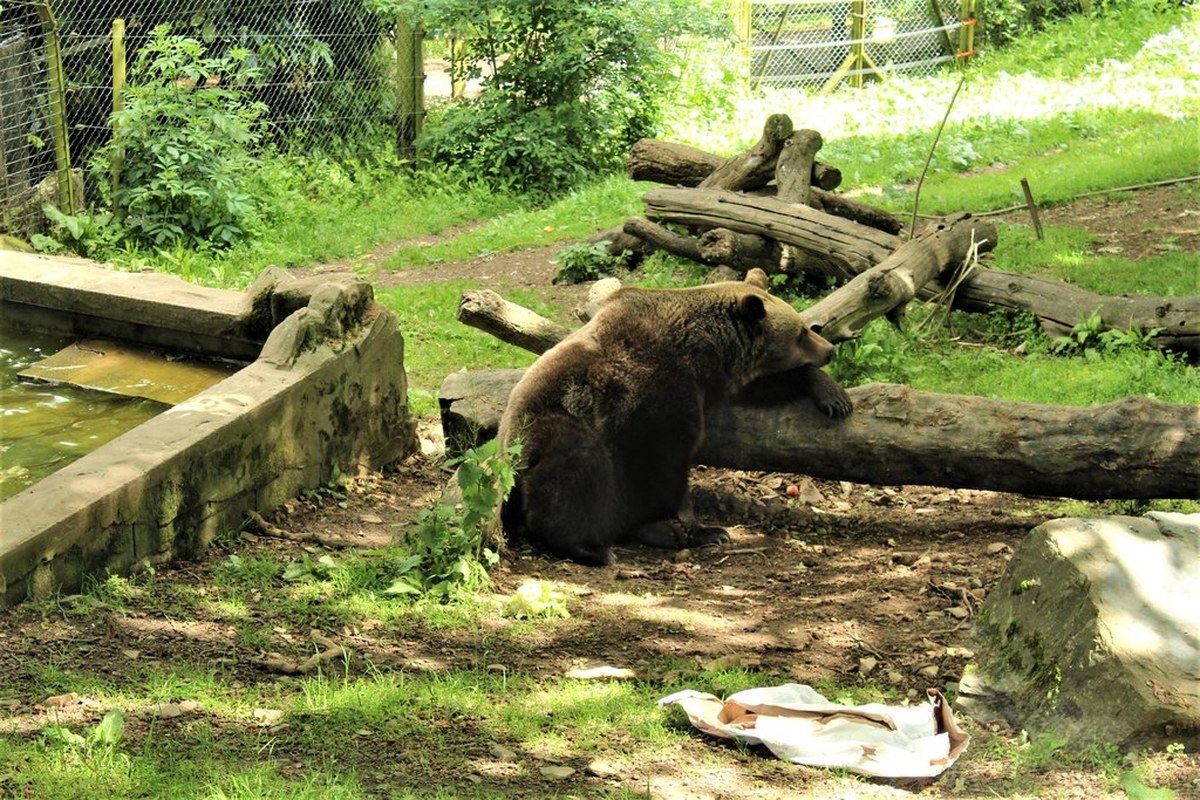
The remains identified as bears are particularly significant because bears were part of the Irish fauna until their extinction during the Bronze Age. Researchers are now employing LC-MS/MS and investigating ancient DNA (aDNA) to determine whether these specimens belong to the brown bear (Ursus arctos) or represent a form closer to the polar bear (Ursus maritimus). Existing studies have suggested that ancient Irish bears may have carried intermediate characteristics, and these samples could provide new, vital data for that ongoing debate. Research continues at the site, with further field investigations and laboratory analyses of isotopic and genetic profiles planned for 2025–2027.
Notes and Sources
- Moucheron, M., Warren, G., Kanne, K., Gearey, B., McCarthy, M., Ó Donnabháin, B., Bray, F. & Garbé, L. (2026). "No sacred cows: ZooMS identification of the Late Mesolithic bone assemblage at Ferriter's Cove, Co. Kerry, Ireland." PAST (The Prehistoric Society), No. 113.
- University College Dublin (2026). "'Kerry Cow' bones revealed as ancient bear remains…" UCD News and Opinion.