A Symphony Disturbed
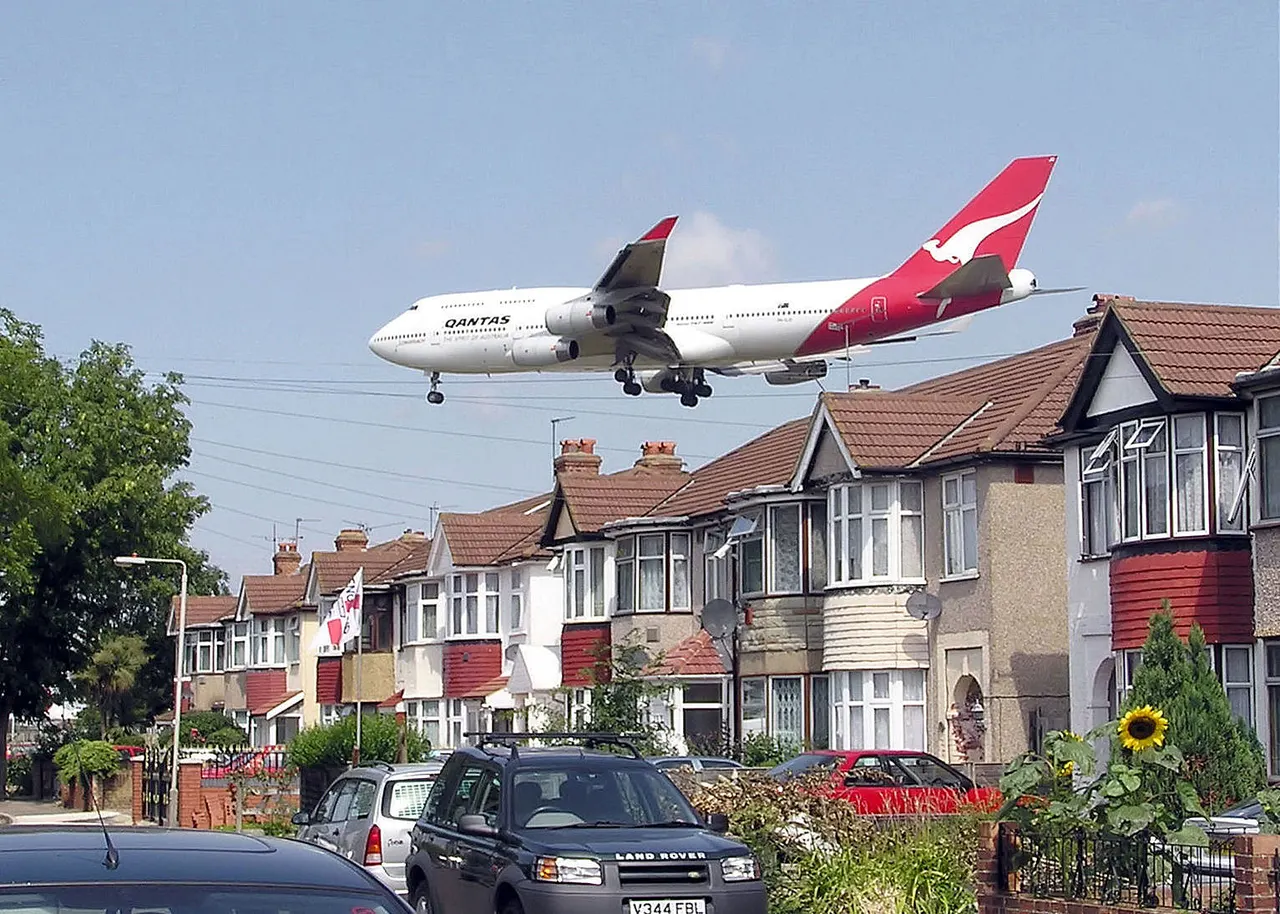
For millions of years, the natural world has operated within its own complex acoustic architecture. From the delicate, rhythmic pulse of a nocturnal forest to the vast, resonant deep-sea channels traversed by cetaceans, sound is the essential medium through which life sustains itself. It is how mates are found, predators avoided, and territories defined. Yet, in the blink of an evolutionary eye, humanity has draped the planet in a persistent, mechanical shroud of noise.
A profound new analysis now quantifies the true extent of this intrusion. Researchers report that human-generated sound—the low-frequency hum of shipping lanes, the relentless roar of urban traffic, and the clatter of industrial machinery—is altering the biology and behavior of an staggering 80% of animal species studied. This is not merely an annoyance; it is a fundamental shift in the pressures that shape animal survival.
The Weight of the Evidence
The study, which synthesized vast amounts of existing bioacoustic research, provides a sobering look at how noise pollution acts as a disruptor of life-cycles. Bioacoustics, the study of how animals produce and perceive sound, has long provided clues about animal evolution. However, this recent meta-analysis underscores that we are inadvertently forcing a rapid, forced adaptation across the animal kingdom.

Whether it is birds struggling to sing at higher pitches to be heard over city traffic, or marine mammals suffering from physiological stress due to the encroachment of sonar and shipping noise, the impacts are both pervasive and profound. The research indicates that for the vast majority of species studied, noise pollution is not an external nuisance but a direct interference in critical biological processes, including development, reproductive health, and foraging efficiency.
The profound impact of anthropogenic noise reaches far beyond simple disruption, altering the fundamental biological rhythms and developmental trajectories of 80% of the animal species studied.
A World Out of Tune
The findings change our understanding of what constitutes a healthy habitat. We have long viewed pollution as chemical or physical—oil spills in the ocean or plastic in our forests. Now, the scientific community is increasingly recognizing sound as an environmental pollutant of equal, if not greater, consequence. When the acoustic landscape is compromised, the survival strategies that animals have honed over millennia are rendered ineffective. This can manifest in several troubling ways:

- Vocal Masking: Animals must increase their volume or frequency to be heard, leading to metabolic exhaustion.
- Developmental Delays: Evidence suggests that exposure to consistent high-intensity noise can interfere with the physical growth and maturation of juvenile animals.
- Foraging Disruption: Predators and prey alike rely on sound to hunt or avoid detection; in noisy environments, these sensory links are severed.
Looking Toward a Quieter Future
What comes next? The realization that noise is a major driver of ecological change places a new responsibility on urban planning and industrial policy. If we are to mitigate this crisis, we must view the acoustic environment as a habitat factor just as vital as clean water or protected nesting sites. By incorporating quiet zones into urban development and regulating shipping routes, there is potential to restore the natural soundscapes that wildlife depend upon.
As we continue to expand our global footprint, the imperative to listen—not just to our own progress, but to the natural world we are drowning out—has never been greater. The silence we protect today may be the lifeline for the species of tomorrow.