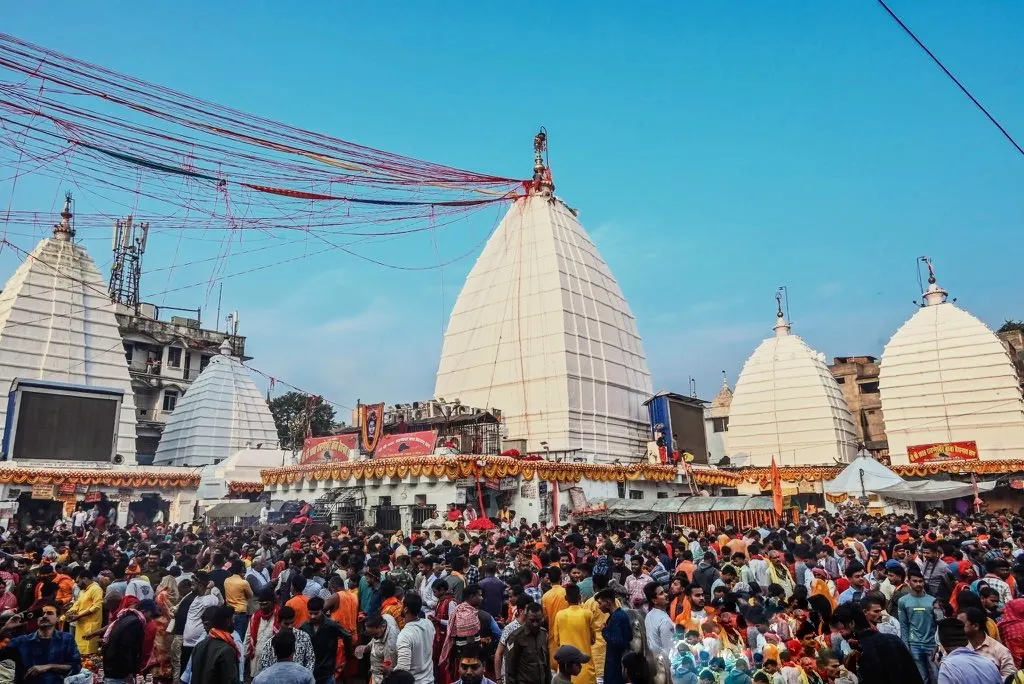
A Morning Ritual in the City of Shiva
As the first light of dawn spills over the spires of the Baidyanath Temple in Deoghar, the city does not wake to the smell of roasting coffee or toasted bread. Instead, it wakes to the rhythmic splashing of clay pots and the tart, cooling scent of fresh dahi. For the millions of pilgrims who traverse the winding paths of this holy city in Jharkhand, this fermented dairy staple is not merely a condiment—it is a spiritual anchor.
The cultural gravity of this tradition is immense, bridging the gap between austere religious devotion and the vibrant, chaotic pulse of street life. In recent times, the global appetite for this authentic local connection has been impossible to ignore; a video tour capturing the essence of the city’s street food, including its famous dahi-based delicacies, has garnered over a million views, proving that the world is hungry for the traditions that hold a city together.
The Sacred Science of Fermentation
To understand Deoghar, one must understand its relationship with dahi. In the broader landscape of Indian cuisine, curd is ubiquitous, but here it attains a status that approaches the sacramental. Historically, the city has functioned as a central node for Hindu pilgrims visiting the Baidyanath Temple, one of the twelve revered Jyotirlingas of Shiva. Pilgrimage demands sustenance that is both cooling and purifying, and the local dairy tradition fits this requirement perfectly.
In a land defined by its sacred pilgrimage routes, the local dahi serves as a fundamental cooling agent, balancing the intense heat of the Jharkhand climate with the profound dietary prescriptions of ancient temple life.
The preparation of dahi in Deoghar remains rooted in slow, artisanal methods. It is prepared in clay pots that pull moisture from the yogurt, creating a thick, set texture that is unmatched by modern, industrialized processes. This is a culinary craft passed down through families who have served the passing tides of pilgrims for generations, ensuring that even as the city grows into a modern municipal corporation, its sensory foundation remains undisturbed.

From Temple Offerings to Street Comfort
The true genius of Deoghar’s food culture lies in its ability to adapt this holy curd into the landscape of everyday street food. Walking through the bustling lanes near the temple complex, visitors encounter a diverse array of snacks where dahi is the lead protagonist. Whether it is swirled into a savory bowl of ghugni or used to create a refreshing dahi halwa, the curd provides a necessary tartness that cuts through the spice and salt of regional snacks.
This is not just food; it is a dialogue between the divine and the mundane. The vendors who ladle out generous portions of dahi are, in their own way, custodians of the city’s identity. They serve the tired traveler and the local merchant alike, offering a consistency that anchors the chaotic energy of a pilgrimage destination. It is a reminder that in India, the kitchen is often the most profound extension of the temple.
A Legacy of Taste and Tradition
As we look at the evolution of Indian food, it is often the regional nuances that provide the most insight into the cultural soul of a place. Deoghar’s commitment to its specific style of curd is a testament to the endurance of tradition in a fast-paced world. While the city continues to modernize, the act of sitting on a wooden bench, clay bowl in hand, remains an act of connection—to the soil, to the temple, and to the generations who have stood on these same streets.

Ultimately, the significance of dahi in Deoghar teaches us that heritage is not always found in grand monuments or static history books. It is found in the things we consume, the rituals we perform, and the flavors that bring us back to our centers. In the sacred city of Baidyanath, the simple, honest beauty of a bowl of curd continues to be the glue that holds the community together, one spoonful at a time.