A Silence in the Kitchen
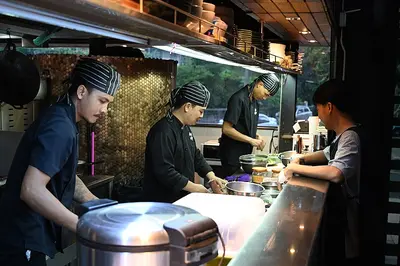
In the subterranean nerve center of Midtown Manhattan, beneath the polished glass and white tablecloths of Le Bernardin, the air does not vibrate with the familiar, frantic rhythm of a high-stakes kitchen. There is no shouting. There are no flying pans. Instead, there is the hum of focused intention—a choreography of precision that has defined one of the world's most enduring culinary institutions. When you step behind the pass, you aren't greeted by the volcanic temperament often glamorized in popular culture, but by a startling, meditative stillness.
This atmosphere is the direct manifestation of Eric Ripert’s philosophy. For decades, the fine-dining industry—or haute cuisine—was built upon the bedrock of the brigade de cuisine, a rigid, military-style hierarchy where fear was a tool and intensity was a prerequisite for greatness. Ripert, the executive chef and co-owner alongside Maguy Le Coze, decided long ago that the pursuit of culinary perfection did not require the sacrifice of human dignity. In a video tour that has drawn 2.6 million views, the world caught a rare glimpse of this quiet intensity, realizing that the secret to Le Bernardin’s consistency isn't just the freshness of its seafood, but the mental clarity of the hands that prepare it.
The Anatomy of Empathy
The transformation of the traditional kitchen culture did not happen overnight; it was a deliberate, philosophical pivot. Ripert has often spoken about the burden of the "angry chef" archetype—a characterization that dominated the mid-20th century culinary landscape. He recognized that fear-based management stifled the very creativity required for haute cuisine. Instead of ruling through intimidation, Ripert fostered an environment of radical empathy. He treats his staff not as disposable cogs in a machine, but as artisans whose mental well-being is as critical to the final plate as the quality of the scallop or the silkiness of the velouté.
Le Bernardin remains one of the few restaurants globally to maintain three Michelin stars continuously for decades, a testament to the belief that a kitchen rooted in psychological safety can consistently outperform one fueled by the adrenaline of anxiety.
By shifting the focus from ego to mentorship, Ripert has created a sustainable ecosystem. He encourages his sous-chefs and line cooks to view their mistakes as opportunities for refinement rather than grounds for exile. This culture has turned Le Bernardin into a global academy; cooks who graduate from Ripert’s kitchen carry his ethos of grace and discipline to every corner of the world, effectively softening the sharp edges of the international restaurant scene.

The Philosophy of Ingredients
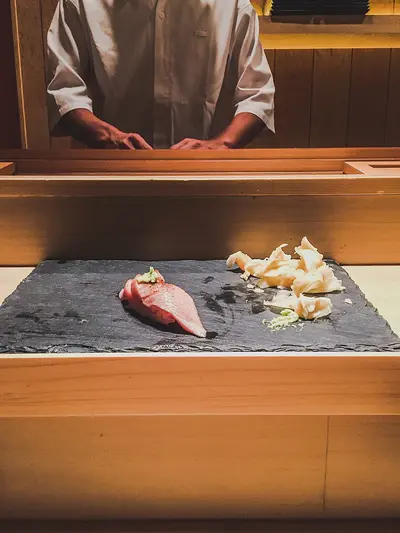
Ripert’s approach is inextricably linked to his treatment of the product itself. Modern French cuisine, as practiced at Le Bernardin, is minimalist—often stripping away the heavy creams and excess flourishes of traditional preparations to let the seafood sing. This "less is more" approach requires an immense amount of confidence and trust in the kitchen team. If a chef is rushed, angry, or distracted, the delicate nuance of a raw hamachi is lost.
By removing the hostility from the environment, Ripert allows his cooks the mental space to observe the fish, the texture, and the temperature with the reverence of an artist. It is a form of mise en place—the practice of everything having its place—that extends far beyond the physical station; it is a mental state. When a kitchen is calm, the cook can listen to the ingredients. In the silence of the Le Bernardin kitchen, the chef isn't fighting the food; they are engaging in a dialogue with it.
A Legacy Beyond the Plate
Today, as the global culinary world re-evaluates its relationship with toxic work environments, Ripert’s legacy has never felt more vital. He has proven that the "legendary chef" does not need to be a tyrant to be successful. He has demonstrated that mentorship, kindness, and the deliberate cultivation of a peaceful workplace are not just ethical choices—they are business strategies that ensure longevity and excellence.

As we look toward the future of fine dining, the influence of Le Bernardin serves as a lighthouse. It challenges the next generation of cooks to redefine success: not just by the accolades on the wall, but by the culture they build within their four walls. Eric Ripert’s greatest contribution to gastronomy may not be his signature seafood preparations, but the profound realization that in a world obsessed with speed and spectacle, there is radical power in choosing to work with a quiet, steady heart.