The Scent of History in Samarkand
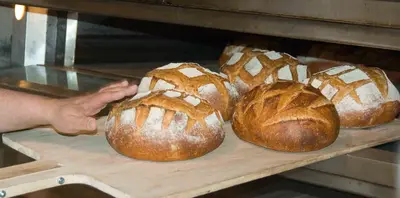
In the cool, blue-shadowed dawn of Samarkand, the air is heavy with the scent of woodsmoke and cumin. Before the sun has fully crested the turquoise domes of the Registan, the street-side ovens are already humming. Here, at the epicentre of the ancient Silk Routes, the ritual of the non—a stamped, golden-crusted bread—is as old as the city itself. To watch a baker pull a steaming round from the clay walls of a tandir is to witness a culinary tradition that has remained largely unchanged for centuries, serving as a silent, carb-heavy testament to the millions of traders, nomads, and travellers who once traversed this rugged landscape.
A Noodle-Rich Tapestry
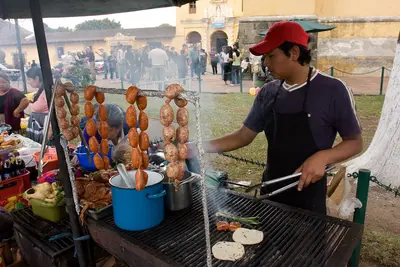
Uzbek cuisine is often misunderstood by the uninitiated, yet it remains one of the world's most compelling culinary narratives. It is a 'noodle-rich' geography, a landscape defined by grain farming where wheat and rice are not merely calories, but currency. This heritage is gaining newfound traction in the digital age; consider, for example, the recent surge in curiosity sparked by a video tour that has drawn 2.6 million views, showcasing the sheer kinetic energy of Uzbekistan’s street food stalls. While such snapshots provide a window into the present, the roots run far deeper than any camera can capture.
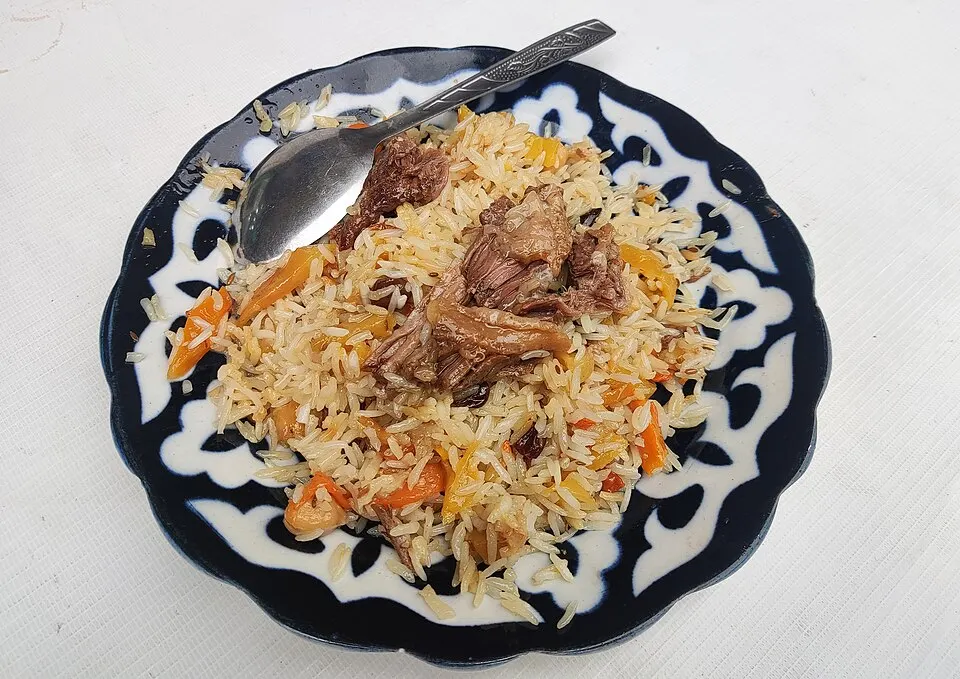
The cuisine of Uzbekistan is a living archive of the Silk Road, a network that connected East and West for over a millennium. When we speak of 'Pilaf'—or plov, as it is known locally—we are talking about a dish that bridges the gap between the subtle rice preparations of the East and the spice-heavy traditions of the Middle East. It is a technical masterpiece of stock, meat, and vegetables, designed to nourish the weary traveller while ensuring that every grain of rice remains distinct, defying the mushiness of lesser versions found elsewhere.

The classic definition of the Silk Road as a singular, linear route is increasingly rejected by modern historians, who argue it was a sprawling, multifaceted web of interaction that privileged the nomadic contributions of the Eurasian steppe over the sedentary empires at either end.
Beyond the Caravan Tracks
What makes Uzbek street food so uniquely qualified to be a global bridge is its profound adaptability. It is a cuisine born of the steppe but refined by the courtly kitchens of Samarkand and Bukhara. One can taste the Persian influence in the fragrant use of dried fruits and aromatic herbs, while the hearty, grilled meats evoke the primal, nomadic traditions of the high plateaus. As the boundaries of the culinary world continue to blur, Uzbekistan stands out as an overlooked powerhouse. It is not just the samsa—the flaky, meat-stuffed pastries—that define the experience; it is the philosophical approach to ingredients.
While historians argue over whether the 'Silk Road' term itself is too narrow, the people of Uzbekistan have never bothered with semantics. They have simply continued the work of cooking. They understand that food is the ultimate cross-cultural diplomat. By integrating the techniques of grain-rich nomadic life with the refined spice palettes of their neighbours, Uzbek cooks created a vernacular that is both familiar to a traveller from Damascus and thrilling to a visitor from London.

A Future Served on a Plate
As travel trends shift toward deeper, more authentic experiences, Uzbekistan’s street food is poised to move from the periphery to the centre of the global conversation. It is a cuisine that asks for patience—from the long-simmering pots of shurpa soup to the meticulous preparation of the dough for lagman noodles. In an era of rapid, processed consumption, the deliberate, communal nature of an Uzbek meal feels like a radical act of connection.
To eat on the streets of Tashkent or Samarkand is to participate in a conversation that began two millennia ago. It is to acknowledge that the crossroads of Asia never really closed; they simply evolved. Whether you are tearing into a warm piece of bread or savouring a bowl of spiced pilaf, you are tasting the resilience of a culture that turned a trade route into a culinary legacy—a bridge that remains open to anyone with an appetite for history.