In the Şanlıurfa province, the Taş Tepeler landscape is defined by iconic Neolithic sites like Göbeklitepe and Karahantepe. For years, however, Yoğunburç remained a silent, unexcavated entry in the region's historical record. Located in the Karaköprü district and covering roughly 22 acres, the mound finally saw its first systematic archaeological work begin on July 16, 2026.
The excavation is led by Professor Gan Caichao of the Chinese Academy of Cultural Heritage. Conducted in partnership with the Şanlıurfa Archaeological Museum under the auspices of the Turkish Ministry of Culture and Tourism's Taş Tepeler Project, the team includes 22 members, seven of whom are from China. Professor Gan has noted that Yoğunburç represents the first instance of Chinese archaeologists leading an excavation project in Türkiye.
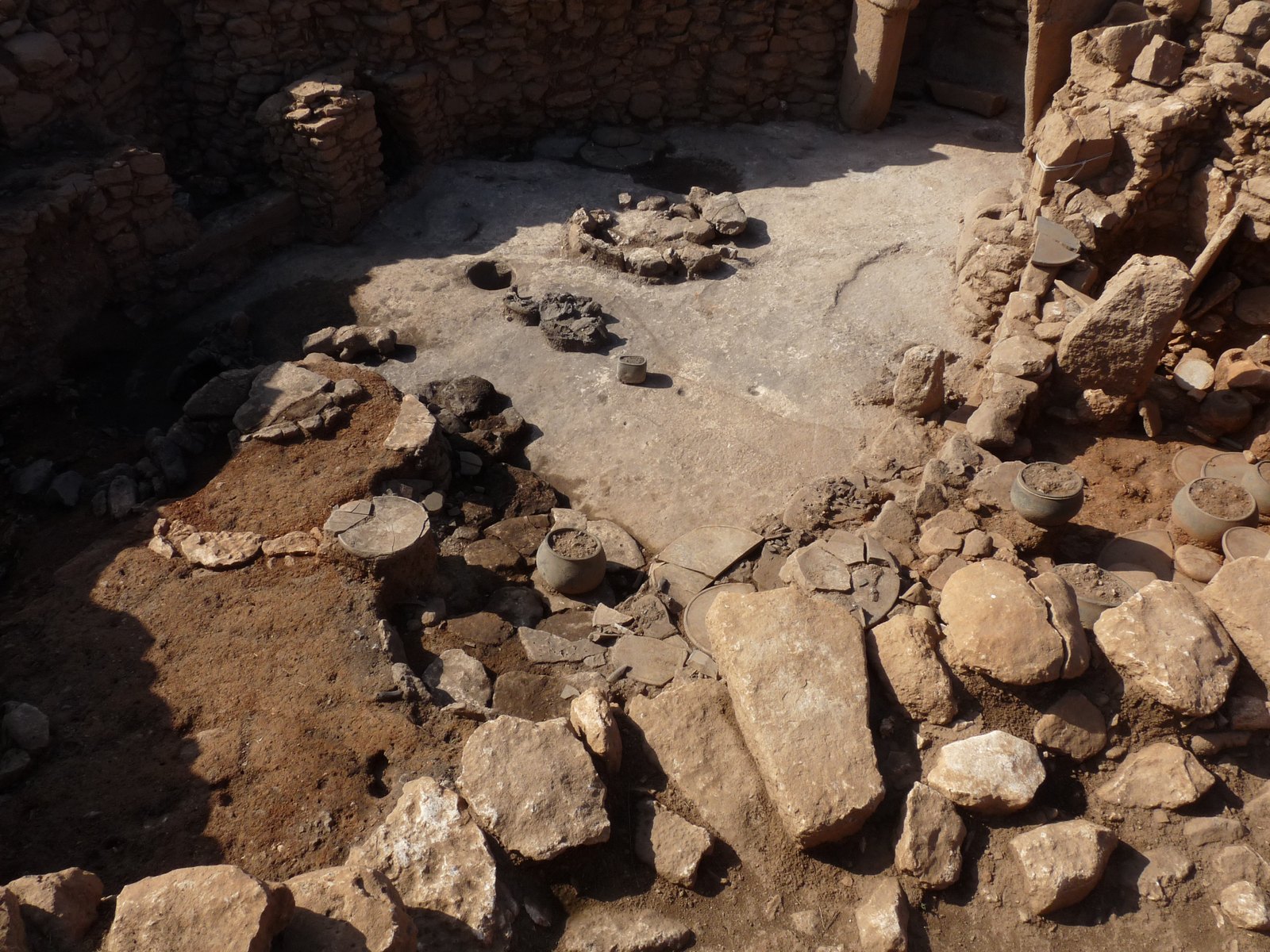
- Yoğunburç underwent its first systematic excavation this summer.
- The team has focused on small finds rather than uncovering architectural features.
- The mound shares the same landscape as Göbeklitepe but maintains its own unique character.
- Definitive dates and settlement types remain embedded within the soil.
What have archaeologists uncovered so far at Yoğunburç?
As the season is still in its early stages, the team has focused on opening trial trenches along the east-west and north-south axes to locate the areas of highest archaeological density. Following this, a square excavation plot was established near the center of the mound. Instead of excavating the entire site, the goal is to identify active deposits, as premature deep excavation risks losing an entire season of progress.
The findings thus far consist of small, utilitarian artifacts: beads, flint, and wild boar teeth. Professor Gan interprets these as the first clues regarding how the inhabitants worked, decorated themselves, and organized their daily lives. Among these items is the tooth of a female wild boar, which may signify remnants of hunting or ritual activity. While these artifacts provide insight into ancient life, they do not yet constitute evidence of structural housing plans.
Current reports remain cautious, as no precise dating for these items has been finalized. Furthermore, no structural architectural remains have been reported for the season. Whether Yoğunburç contains features like the T-shaped pillars found at Göbeklitepe or the sculpted human heads found at Karahantepe remains an open question for future field seasons.
Why is the Taş Tepeler region currently a major focus for research?
The Ministry of Culture and Tourism has defined a framework that includes 12 major Neolithic sites, such as Göbeklitepe, Karahantepe, Sefertepe, Sayburç, and Yoğunburç. These settlements, dating back approximately 12,000 years, illustrate the pivotal transition of hunter-gatherer communities toward sedentary life, early social organization, and the emergence of symbolic belief systems within a single geographic region.
This transition was not a single event. Early populations continued to hunt and track game while repeatedly returning to the same locations. The mounds themselves are accumulations of this repetition, with each layer representing a season of habitation, discarded tools, and hearths. While Göbeklitepe provided T-shaped megaliths and Karahantepe yielded human sculpture, Yoğunburç is currently filling the gaps in this larger archaeological archipelago. Professor Gan considers Şanlıurfa to be one of the most significant regions for understanding the Neolithic period and expressed a strong intent to produce meaningful results from the current investigation.
Neighboring hills are telling their story. Yoğunburç is still whispering. A summary of the current season
What remains unknown about the site?
It is essential to distinguish between the diplomatic significance of this project—China's first excavation in Türkiye—and the archaeological potential of the mound itself. The nature of the settlement and its relationship to neighboring sites can only be determined as researchers strip away the layers of earth one by one.
Future analysis will focus on critical questions: the distinction between man-made walls and natural pits, the origin of the lithic materials used in bead-making, and the source of the flint tools. If organic material is retrieved, radiocarbon dating will provide a precise timeline for the site. Without laboratory analysis—such as identifying wear patterns on stone tools or butchery marks on animal bones—conclusions about a "12,000-year-old temple" would be premature. For now, the site remains at the beginning of its scientific journey.
Notes and Sources
- Caymaz, C. (2026). Anadolu Ajansı. "China's first excavation project in Türkiye is being conducted at Yoğunburç in Şanlıurfa." Includes details on Prof. Dr. Gan Caichao, the July 16 start date, and the 22-person team.
- Anatolian Archaeology. (2026). "China's First Archaeological Excavation Project in Türkiye Begins at Neolithic Yoğunburç." Reports on the 22,000 m² site and trial trench methodology.
- T.C. Ministry of Culture and Tourism. (2026). Taş Tepeler Project framework documentation.