A World Within a Wall
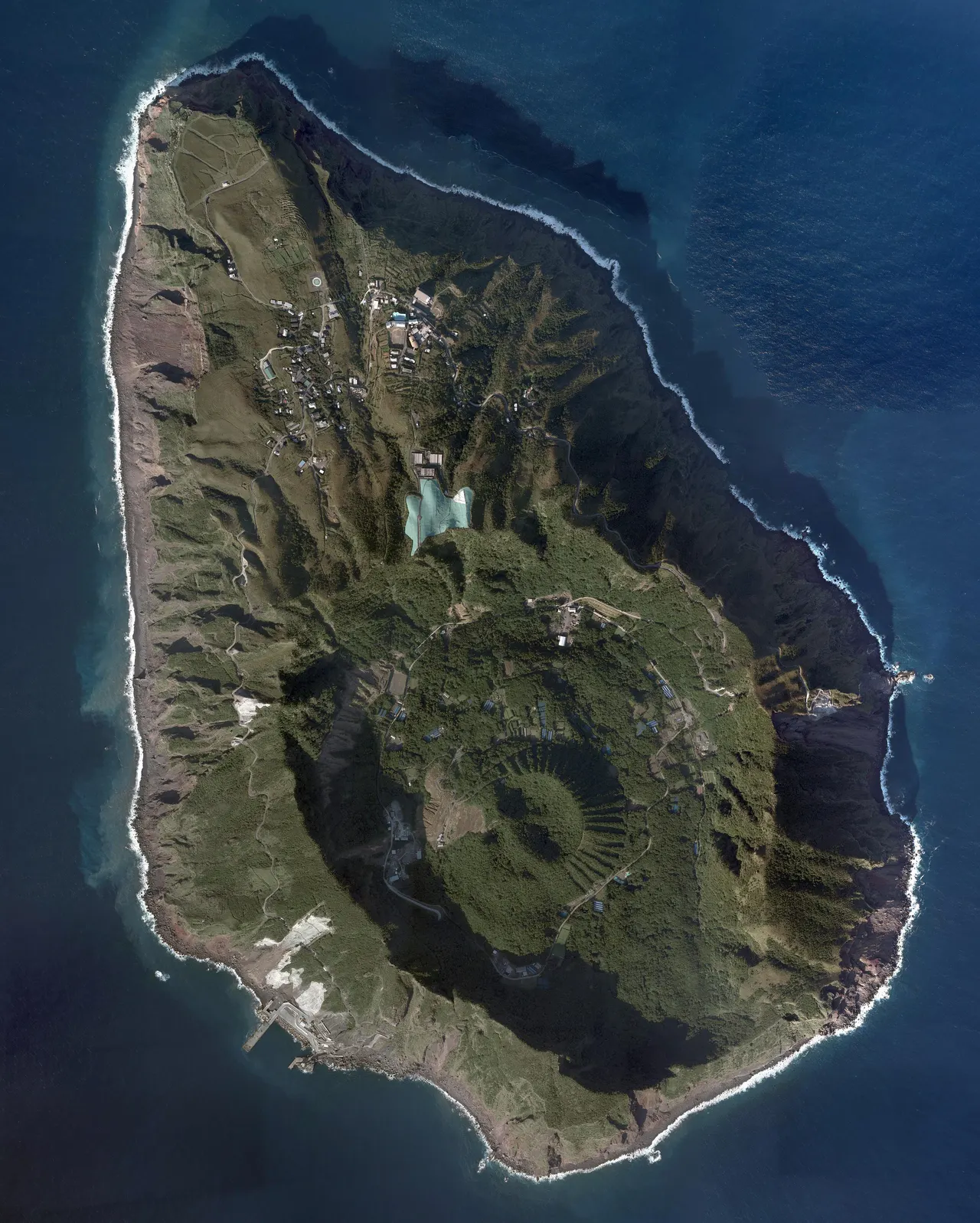
The mist clings to the sheer, emerald-green cliffs of Aogashima like a secret kept by the Philippine Sea. Standing on the outer rim of this volcanic island, you look down into a profound, bowl-shaped depression—the caldera—only to find another, smaller cone rising from its floor. It is a volcano nested within a volcano, a geological Russian doll that serves as the home for fewer than 200 souls. Here, the air is thick with the scent of salt and faint, rhythmic plumes of geothermal steam that rise from the earth, a constant reminder that this island is very much alive.
While digital virality has brought fleeting attention—a popular YouTube exploration of the island has drawn over 7.6 million views, sparking curiosity about this "secret" paradise—the reality of Aogashima remains far removed from the spectacle of the screen. This is not a destination for the casual tourist seeking luxury; it is a pilgrimage for those who value privacy, depth, and the rare privilege of total seclusion.
The Difficulty of Arrival
Part of the Izu Islands and administratively a village within the Tokyo Metropolis, Aogashima is technically part of the world’s most populous urban center, yet it exists in a state of profound solitude. The journey here is an exercise in patience and surrender to the elements. Getting to this speck of land requires a precarious flight or a ferry from Hachijō-jima, both of which are frequently canceled due to the volatile weather and the island’s lack of a natural harbor. The ocean here does not accommodate; it dictates.

Once you arrive, the scale of the landscape becomes overwhelming. The caldera walls rise hundreds of meters, effectively isolating the inhabitants from the vast expanse of the Philippine Sea. For centuries, this topography acted as both a natural fortress and a prison, keeping the island off the maps of all but the most determined mariners. The sense of isolation is visceral. Walking the trails, one feels the weight of the Pacific, knowing that the nearest supplies must be brought in by boat, and the nearest city is a world away.
Living on the Edge
Life in the caldera is shaped by the geothermal energy beneath the soil. It is a place where steam vents are integrated into daily life, used to cook food in natural saunas and provide warmth for the residents. Unlike the chemical complexes or neon-lit tourist hubs often associated with industrial Japan, Aogashima’s "after dark" experience is defined by the profound absence of light pollution, revealing a sky so dense with stars it feels as though the caldera is a bowl collecting the cosmos.

In an era where travel is increasingly measured by convenience and connectivity, Aogashima stands as a stubborn anomaly—a place that demands you go to great lengths just to exist within its silence.
The island invites a shift in perspective. Here, travel moves away from the superficial and toward the essential. Privacy is not a luxury; it is the default state of existence. As global travel trends pivot toward meaningful, deeper experiences, Aogashima serves as a reminder that the most rewarding destinations are often those that require the most from us to reach.
Practical Whispers for the Rare Visitor
For the intrepid traveler, the best time to visit is during the shoulder seasons when the weather is at its most cooperative, though one should always pack for sudden changes in the maritime climate. Stout hiking boots are essential, as the terrain is rugged, steep, and demanding. Bring everything you might need for your stay, as local resources are limited and existence here is tuned to sustainability rather than surplus. There is no infrastructure for mass tourism, and that is precisely the point. Aogashima matters because it remains untamed, a place where humans have adapted to the volcano rather than attempting to conquer it. It is a quiet, steaming, vertical world—a destination that asks nothing of the world, and offers everything to those who take the time to find it.