Where Time Stands Still: Entering the Limi Valley
The wind cuts sharply across the high-altitude passes of northwestern Nepal, carrying with it the rhythmic, low-frequency hum of spinning prayer wheels. Here, in the rugged expanse of the Humla District, the modern world feels like a distant rumor. For those who watch from afar—perhaps stumbling across digital windows like the popular documentary Nepal’s Hidden Limi Valley | Deadliest Roads, which has drawn 6.5 million views—this remote corner of the Himalayas sparks a profound sense of wonder. Yet, watching a screen can scarcely prepare you for the raw, biting reality of standing at the edge of the Limi Valley.
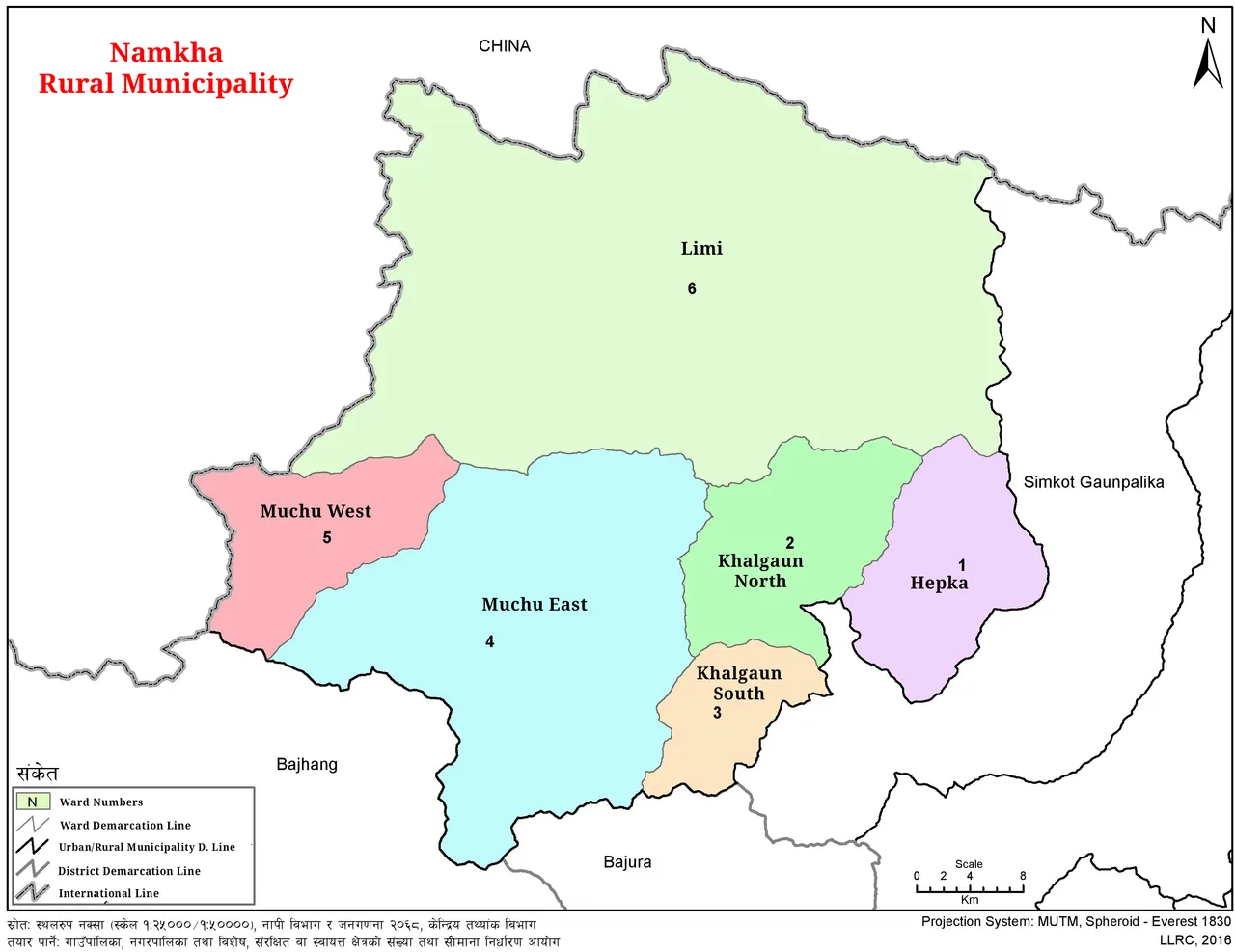
Covering an area of 5,655 square kilometers, the Humla District is the second-largest district in Nepal by area, anchored by its administrative headquarters in Simikot. Within this vast topography lies the Namkha Rural Municipality, the largest rural municipality in Nepal by area, and the cradle of the Limi Valley itself. This is a landscape sculpted by elemental forces, where deep gorges give way to soaring, snow-capped peaks that scrape the sky.
A World Preserved by Isolation
Why has the Limi Valley remained so stubbornly off the map? Geography has played its part, keeping the valley cradled away from the heavily commercialized trekking circuits of the Annapurna and Everest regions. Furthermore, these breathtaking routes are categorized as restricted-area treks, where solo trekking is not allowed, ensuring that the fragile environment and distinct culture are carefully managed and protected from sudden, unregulated tourism.
Culturally, the valley is a living extension of the Tibetan diaspora—communities formed by Tibetan people residing outside Tibet and mainland China. This diaspora largely consists of Tibetans exiled from their land of origin, beginning in the early 1950s, peaking after the 1959 Tibetan uprising, and continuing to endure through generations. In the remote villages of Limi, ancient traditions, dialects, and spiritual practices of this diaspora thrive in pristine isolation, untouched by the rapid commercialization found elsewhere in the Himalayas.

In the Limi Valley, you do not simply visit a place; you step backward through centuries, enveloped by a quiet resilience that outlasts the harshest mountain gales.
The Journey and the Horizon
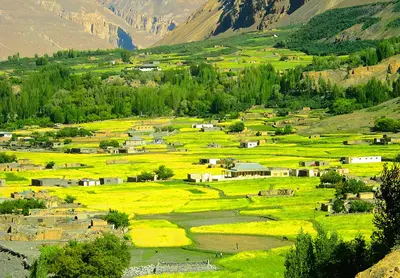
Traversing the terrain of Humla is an expedition that demands respect, physical endurance, and careful preparation. The journey takes travelers across brutal mountain passes, through wind-swept plateaus, and past timeless stone settlements where locals herd yaks against a backdrop of endless blue sky. Recent regional developments point toward the future, such as the Rs 12.31 billion allocated under the Karnali tourism master plan, aiming to shape infrastructure while striving to preserve the fragile heritage of the region.
For travelers planning an expedition to this remote frontier, preparation is essential. Because solo trekking is prohibited, journeys into the restricted zones of Humla require official permits and guided arrangements. Packing lists must account for extreme temperature drops, high-altitude exposure, and self-sufficiency, as modern amenities are virtually nonexistent.

Why Such Places Matter
As the map of the world is continuously redrawn by roads, connectivity, and tourism, sanctuaries like the Limi Valley remind us of the value of quiet endurance. In an era where almost every square inch of the globe is cataloged, photographed, and streamed, the valley offers something increasingly rare: genuine mystery. It stands as a testament to human adaptability and cultural preservation, proving that some corners of the earth are best kept wild, remote, and deeply revered.