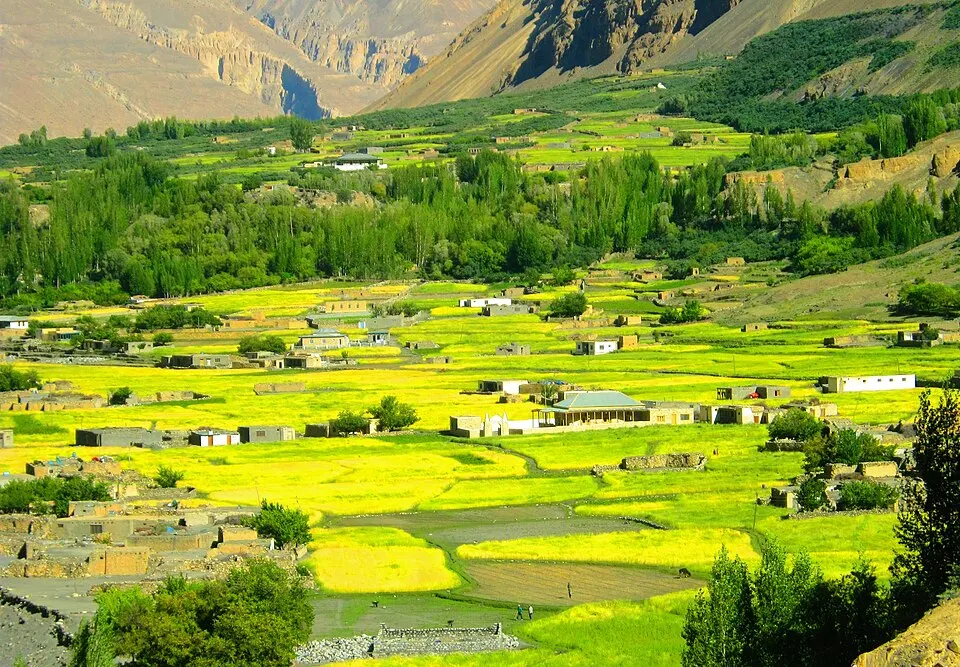
A Frontier Frozen in Time
The air at 3,113 metres is thin, sharp, and tastes of pulverized granite and ancient ice. As the sun dips behind the jagged, snow-dusted crowns of the Karakoram, the Shimshal Valley falls into a silence so profound it feels rhythmic. Here, where the Pamir mountains collide with the Karakoram range, civilization is not merely a collection of structures; it is a precarious, beautiful defiance of gravity. To reach Shimshal is to leave the familiar behind, trading the hum of the modern world for the ancient, wind-swept silence of the highest settlement in the Hunza District.
The Road Beyond the Highway
For decades, the Karakoram Highway has been the legendary vein of adventure travel, a ribbon of asphalt threading through the world’s most daunting geography. While a viral video claiming to show the “15 Most Extreme Roads in the World” might have garnered nearly five million views, flickering across screens in comfortable living rooms, no digital experience can replicate the physical reality of the turnoff toward Shimshal. This is not merely a road trip; it is a pilgrimage into the unmapped frontier.
As you navigate the transition from the relatively manicured path of the main highway into the raw interior of the valley, the world shifts. The scale here is impossible. This is a region defined by four of the fourteen global eight-thousanders, including the mighty K2. The valley itself is the largest in Gilgit-Baltistan, a vast geological cathedral carved by the Shimshal River, which flows with the glacial cold of a landscape that predates human history.

Van Life at the Edge of the World
For the intrepid traveler practicing a nomadic existence, Shimshal offers the ultimate test of both machine and spirit. Bringing a vehicle this high requires a deep reverence for the terrain. You are moving through a landscape that acts as a physical bridge between Pakistan and China, a borderland where the weather can turn from blinding gold to biting frost in a matter of minutes. When you park for the night, the experience is stripped of artifice. There are no power grids humming in the background, only the sound of the tributary water feeding into the Hunza River and the knowledge that you are camped on the very spine of the Earth.
The true luxury of a place like Shimshal is not found in the ease of the journey, but in the humility it forces upon you; standing beneath these peaks, one realizes that the world is far larger and more indifferent to human ambition than we dare to imagine.
Practicality in the Clouds
Visiting Shimshal requires patience and preparation. The best season for this ascent is during the warmer months, when the high-altitude passes are clear of the worst winter snows. Travelers must be self-sufficient, carrying ample supplies and recognizing that, at this altitude, the environment is the authority. It is a destination for those who seek to understand the intersection of ancient shepherd trails and the modern call of exploration. While the logistics of Gilgit-Baltistan require careful navigation—especially given its location in the disputed Kashmir region—the reward is a rare glimpse into a culture that has thrived in isolation for centuries.

Ultimately, places like Shimshal matter because they represent the last holdouts of the unknown. In an era where every coordinate is mapped and every peak is tagged, the Shimshal Valley serves as a vital reminder that adventure is still possible. It is a destination that demands everything from the traveler, yet in return, it offers something increasingly scarce: the chance to stand at the top of the world, quite literally, and find that there is still so much more to discover.