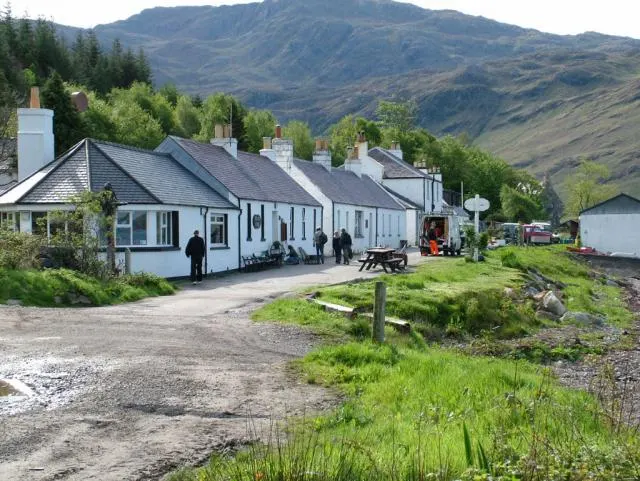
The dawn air over the western edge of the Scottish Highlands carries the damp, metallic sharp scent of sea brine and rain-soaked earth. Low-slung clouds drift across dark, jagged peaks that plummet straight into glassy water, hiding their summits in grey mist. Here, standing beside a solitary tent pitched on the fringes of the shoreline, the modern world feels entirely extinguished. There are no engine hums, no overhead wires, and no faint glare of city light on the horizon—only the steady lap of tide against stone and the whispering wind sweeping through na Garbh-Chrìochan, traditionally known as the Rough Bounds.
This is the Knoydart Peninsula, a coastal realm in Lochaber widely regarded as Britain's last wilderness. Sandwiched between two dramatic sea arms—Loch Nevis to the south and Loch Hourn to the north—the region occupies a legendary space in Scottish geography. Local lore often translates these waters as "Loch Heaven" and "Loch Hell," and while scholars debate the exact origins of those poetic names, anyone gazing across their churning dark depths understands the sentiment. Knoydart is a place of dramatic extremes, where extreme isolation protects one of Europe's most striking natural sanctuaries.
A Realm Off the Grid
What keeps Knoydart so remarkably pristine is its absolute defiance of modern transport infrastructure. The peninsula contains roughly seven miles of tarred road, but this isolated strip of asphalt is entirely disconnected from the rest of the UK road system. No highways lead here; no coastal bridges span its sea lochs. To reach its shores, adventurers must choose between two uncompromising routes: board a ferry across the water, or embark on a severe 16-mile walk through some of the harshest, most untamed terrain in Great Britain.
Because human activity has left such a light footprint upon this landscape, Knoydart remains an ecological treasure. Globally, terrestrial environments untouched by urban sprawl or intensive agriculture are dwindling fast—recent estimates suggest wildlands now cover barely a quarter of the Earth's land surface. That reality helps explain why this remote corner of Scotland holds such a magnetic pull for modern seekers of solitude. A digital video capturing a canoe expedition into this quiet quarter of the Highlands amassed over 1.4 million views, reflecting a collective, global longing for spaces where nature still reigns supreme.

The Rhythm of the Trail and Camp
For those who choose the overland route, the journey into Knoydart is a rigorous two-day undertaking. The path weaves past secret lochs, tumbling burns, and sweeping mountain views that rank among the finest on the continent. Every mile demands effort, as the terrain of the Northwest Highlands tests even seasoned hikers with boggy tracks and sudden shifts in coastal weather. Yet, the physical toll fades the moment you crest the final ridge and look out over the peninsula's wild expanse.
Setting up camp here is a lesson in self-reliance and deep quiet. Pitching a canvas shelter on a patch of wild grass near the sea, campers are treated to an unfiltered immersion in the elements. As dusk falls, the light softens into shades of slate and indigo. Tucked inside a sleeping bag, listening to rain tap against the rainfly while the tide fills the loch, you experience a rare form of stillness—a true wild escape where time seems to slow to the pace of drifting clouds.
Navigating the Wild: Practical Essentials
Planning a journey to Knoydart requires careful preparation, as the environment yields little to the unready. Because the area lacks connected roads, travelers must map their arrival meticulously, arranging water transport or preparing for an intensive, self-supported hike through rough country. Carrying full expedition gear is essential: a sturdy, weather-resistant tent capable of handling unpredictable Highland winds, reliable waterproof outerwear, fuel, and sufficient food supplies for the entire duration of the stay.

Knoydart is a place of dramatic extremes, where absolute isolation protects one of Europe's most striking natural sanctuaries.
Respecting the landscape is equally crucial. As part of a wildland environment free from extensive commercial development, visitors must practice strict pack-it-in, pack-it-out ethics to preserve the delicate balance of the Highland ecosystems. Weather in the Highlands can shift rapidly at any time of year, making warm layers and reliable navigation tools indispensable companions for anyone treading these solitary paths.
Why Remote Spaces Matter
In an era where true darkness and silence are increasingly rare luxuries, places like Knoydart serve a vital purpose. They remind us of what the planet felt like before grid lines and highway networks dissected the earth. Standing on the shores of Loch Nevis, watching the mist lift from the surrounding slopes, the rewards of the arduous trek become clear. Knoydart is not merely a destination for tent adventurers; it is a sanctuary for the spirit, proving that real wilderness still endures for those willing to seek it out.
Sources: This report draws on coverage by The Guardian Travel, The Guardian, The i Paper. The wording is our own.